Effective natural ways to deter deer from a vegetable patch?

Deer, while beautiful creatures, can quickly devastate a thriving vegetable garden, turning months of hard work into a feast. For those who prefer eco-friendly and humane methods, a range of natural strategies can effectively deter these persistent visitors without resorting to harmful chemicals or aggressive measures. The key often lies in combining multiple approaches to confuse and discourage deer, making your garden less appealing.
Scent-Based Repellents: Appealing to a Deer’s Nose
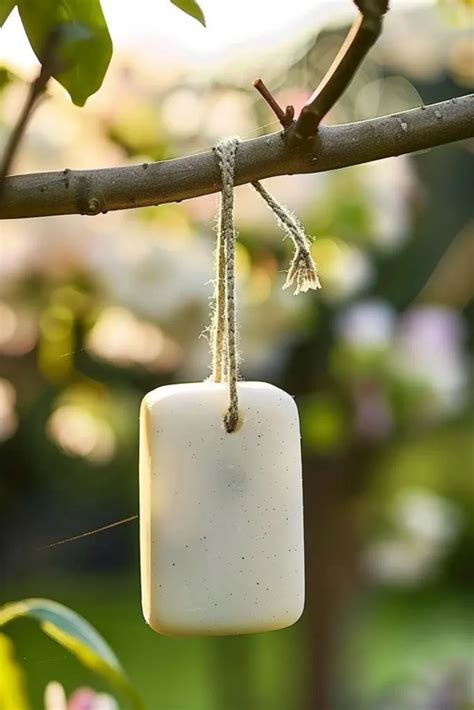
Deer have a highly developed sense of smell, which can be used to your advantage. Strong, unfamiliar scents can be powerful deterrents. One popular method involves placing bars of heavily scented soap, such as Irish Spring, around the garden perimeter or hanging them from stakes. The strong aroma is generally disliked by deer. Similarly, human hair, collected from barbershops or salons and scattered around the garden, can signal human presence and deter them. Some gardeners even report success with predator urine (available commercially) to mimic the presence of a natural enemy.
Another effective scent-based strategy involves planting pungent herbs and plants that deer naturally avoid. Herbs like garlic, chives, mint, rosemary, sage, and lavender are often left untouched. Creating a border of these plants around your more vulnerable vegetables can offer a first line of defense. Additionally, homemade sprays using ingredients like rotten eggs, garlic, or hot peppers can be applied directly to non-edible plants or around the garden’s edge. Remember to reapply after rain or every few weeks.
Taste-Based Deterrents: Making Your Garden Unappetizing
Beyond scent, making your plants taste bad to deer is a direct way to discourage them. Hot pepper sprays are excellent for this purpose. A simple recipe involves blending cayenne pepper or other hot peppers with water and a few drops of dish soap (as an emulsifier), then straining and spraying the mixture onto plants. The capsaicin in the peppers creates an unpleasant sensation for deer without harming them. Always test on a small area first to ensure it doesn’t damage your plants, and be cautious when applying, especially before harvesting edible parts.
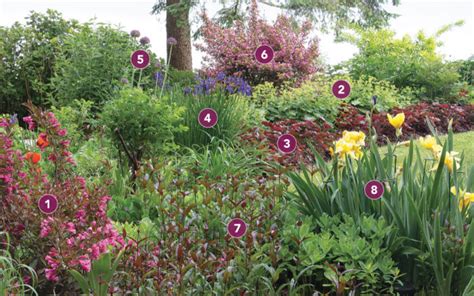
Certain plants are known to be unpalatable to deer. Incorporating these into your garden design can significantly reduce browsing. Examples include marigolds, daffodils, poppies, and foxgloves. While these may not be ideal for a pure vegetable patch, planting them strategically alongside or bordering your vegetables can create a natural barrier that deer are less likely to cross.
Physical Barriers and Visual Deterrents: Creating Obstacles
Sometimes, the most straightforward solution is a physical barrier. While an 8-foot fence is ideal for preventing deer entry, smaller, less intrusive options can also be effective. A double fence, with two rows of shorter fencing (e.g., 4 feet tall) spaced about 3-4 feet apart, can confuse deer, making them hesitant to jump both barriers. Fishing line strung at varying heights (e.g., 2, 3, and 4 feet) can be surprisingly effective. Deer often can’t see the line and are startled when they encounter it, prompting them to move on.
Visual deterrents can also play a role. Shiny objects like old CDs, aluminum pie plates, or reflective tape hung from stakes can startle deer with movement and flashes of light. Motion-activated sprinklers are another excellent option, delivering a harmless but surprising spray of water when deer approach, teaching them to associate your garden with an unpleasant experience. Place these strategically around the perimeter or near vulnerable plants.
Habitat Modification and Consistent Rotation: Long-Term Strategies
Minimizing deer attractants is a crucial long-term strategy. Clear away fallen fruit, vegetables, and any overgrown areas that might provide shelter close to your garden. If you have fruit trees, consider harvesting promptly. Varying your deterrence methods can also prevent deer from becoming accustomed to a single tactic. Rotate scents, try different types of visual deterrents, and periodically adjust physical barriers to keep deer on their toes.

Ultimately, a successful deer deterrence strategy often involves a combination of these natural methods. What works best can depend on the specific deer population in your area and the layout of your garden. Experiment with different approaches, observe deer behavior, and remain persistent. By creating an environment that is consistently unappealing or confusing to deer, you can enjoy a bountiful harvest from your vegetable patch.