Effective, natural ways to enrich garden soil using kitchen compost?
Unleashing the Power of Kitchen Scraps for a Thriving Garden
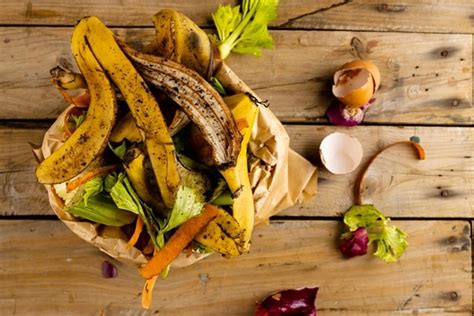
Transforming kitchen waste into garden gold is one of the most rewarding and sustainable practices for any home gardener. Instead of sending your fruit peels, vegetable scraps, and coffee grounds to the landfill, you can convert them into nutrient-rich compost that will dramatically improve your garden soil’s health, structure, and fertility. This article explores effective and natural ways to enrich your garden soil using readily available kitchen compost, fostering a vibrant ecosystem from the ground up.

Why Kitchen Compost is Your Garden’s Best Friend
Kitchen compost is a powerhouse of organic matter, teeming with beneficial microorganisms. Unlike chemical fertilizers, which offer a quick but often short-lived boost, compost provides a slow-release source of essential nutrients that plants can access over time. It enhances soil structure, improving drainage in heavy clay soils and increasing water retention in sandy soils. Furthermore, compost buffers soil pH, making nutrients more available to plants, and suppresses plant diseases and pests by promoting a healthy microbial balance.
Simple Steps to Create Your Own Kitchen Compost
Starting a kitchen compost system is easier than you might think. You can choose between indoor and outdoor methods depending on your space and preference:
Indoor Composting:
- Countertop Bins: Small, sealed bins with charcoal filters are perfect for collecting daily scraps without odors. Empty them into a larger outdoor bin or a worm bin periodically.
- Worm Composting (Vermicomposting): Red wiggler worms efficiently break down kitchen scraps into nutrient-rich castings (worm compost). This is an excellent option for apartments or small spaces and produces high-quality fertilizer quickly.
Outdoor Composting:
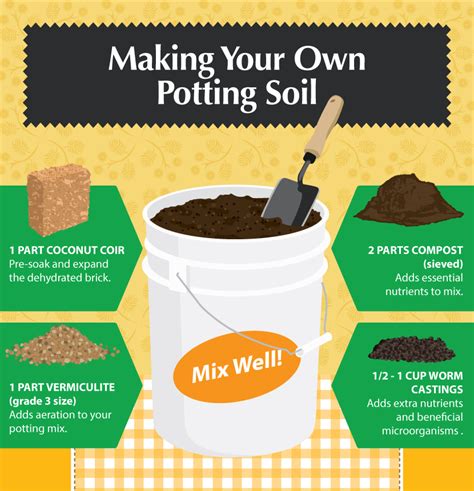
- Compost Bins/Piles: Designate a spot in your yard for a compost pile or use a dedicated compost bin (tumblers, three-bin systems, or simple wire cages). Layer “greens” (kitchen scraps, grass clippings) with “browns” (dry leaves, shredded paper, wood chips) for optimal decomposition. Keep the pile moist and turn it regularly to aerate.
What to compost: Fruit and vegetable scraps, coffee grounds, tea bags, eggshells, nut shells, stale bread, pasta (in moderation). What to avoid: Meat, dairy, oily foods, pet waste (can attract pests and pathogens).

Effective Methods for Applying Kitchen Compost to Your Garden
Once your kitchen compost is ready – dark, crumbly, and earthy-smelling – it’s time to integrate it into your garden. Here are several natural and effective application methods:
1. Top Dressing
This is perhaps the simplest method. Spread a 1-2 inch layer of finished compost directly on top of the soil around existing plants, shrubs, and trees. Over time, the nutrients will leach into the soil with watering and rain, and earthworms will help incorporate it deeper. Top dressing also acts as a natural mulch, conserving moisture and suppressing weeds.
2. Soil Amendment/Incorporation
For new garden beds or before planting annuals and vegetables, incorporate compost directly into the soil. Spread a 2-4 inch layer over the bed and gently dig it into the top 6-12 inches of soil. This significantly improves soil structure, fertility, and microbial activity before planting, giving young plants a strong start.

3. Compost Tea
Compost tea is a liquid fertilizer made by steeping finished compost in water. It provides a quick nutrient boost and delivers beneficial microbes directly to plant leaves and roots. To make it, place a shovel full of compost in a permeable bag (like a burlap sack or old pillowcase) and submerge it in a bucket of dechlorinated water for 24-48 hours. Stir occasionally. Dilute the “tea” until it resembles weak iced tea and use it as a foliar spray or a root drench.
4. Mulching with Compost
Using compost as a mulch around plants helps regulate soil temperature, reduces water evaporation, and smothers weeds. While coarser, less decomposed compost can be used for this purpose, finished compost offers the added benefit of slowly releasing nutrients directly into the root zone as it breaks down further.
Maximizing the Benefits: Tips for Success
- Consistency is Key: Regular additions of compost, even small amounts, are more beneficial than a single large application.
- Don’t Overdo It: While compost is gentle, extremely rich compost can sometimes be too much for very young seedlings. A little goes a long way.
- Moisture Matters: Keep compost piles consistently moist (like a wrung-out sponge) for optimal decomposition.
- Aerate Your Compost: Turn outdoor compost piles regularly to ensure good airflow, which speeds up decomposition and prevents odors.
Embrace a Greener Garden
By effectively utilizing kitchen compost, you’re not just enriching your garden soil; you’re also closing a loop in your household waste stream, reducing your environmental footprint, and fostering a healthier, more productive garden. This natural approach builds soil resilience, supports biodiversity, and ultimately leads to more vibrant plants and bountiful harvests. Start composting your kitchen scraps today and watch your garden thrive!