
Effective organic garden pest control for aphids & slugs?
Embracing Nature’s Solutions for Garden Pests
For many passionate gardeners, especially those embracing the country living lifestyle, the dream of a lush, healthy garden can quickly turn into a nightmare when pests invade. Aphids and slugs are two of the most notorious culprits, capable of decimating tender plants and frustrating even the most seasoned green thumb. The good news is that effective, organic pest control methods exist, allowing you to protect your plants without resorting to harsh chemicals that harm beneficial insects, soil health, or the wider environment.
Moving away from synthetic pesticides not only safeguards your family and pets but also fosters a more robust and resilient garden ecosystem. Let’s delve into proven organic strategies to keep aphids and slugs at bay.
Tackling Aphids: Tiny Pests, Big Problems
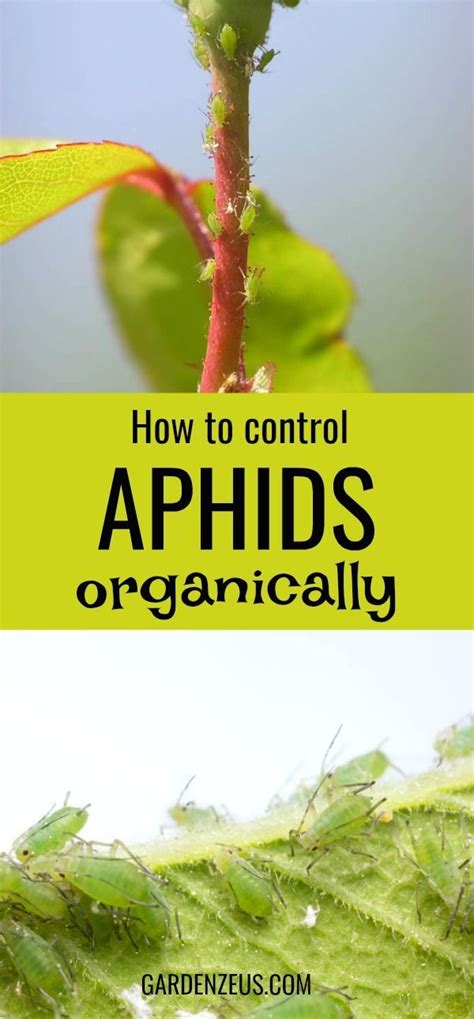
Aphids are small, pear-shaped insects that cluster on new growth, the undersides of leaves, and flower buds. They suck the sap from plants, leading to stunted growth, distorted leaves, and a sticky residue known as honeydew, which can attract sooty mold. Their rapid reproduction makes them a persistent threat, but several organic approaches can effectively manage their populations.
Natural Predators: Your Garden’s Best Friends
Encourage beneficial insects like ladybugs, lacewings, and hoverflies. These predators absolutely love to feast on aphids. Plant companion flowers like dill, cilantro, and cosmos to attract them, or even purchase them from reputable garden suppliers and release them into your garden.
Horticultural Oils & Neem Oil
Neem oil, derived from the neem tree, is a natural insecticide that disrupts aphid feeding and reproduction. Horticultural oils (like dormant or summer oils) work by smothering aphids. Both should be applied according to package directions, typically in the cooler parts of the day, to avoid stressing plants.
DIY Insecticidal Soap Spray
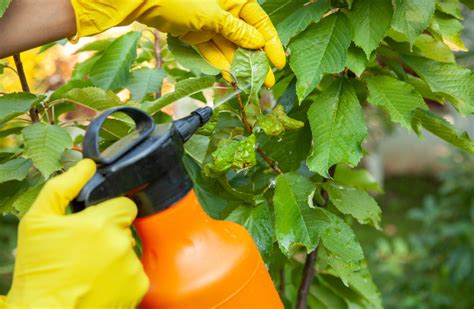
A simple solution of mild liquid soap (like Castile soap, avoiding detergents) mixed with water can be highly effective. Mix 1-2 teaspoons of soap per gallon of water and spray directly onto aphids, ensuring good coverage, especially on the undersides of leaves. The soap suffocates the soft-bodied insects. Reapply every few days as needed.

Water Blast
For a quick fix on sturdy plants, a strong jet of water from a hose can dislodge aphids. They often struggle to climb back onto the plant, making this a simple and immediate solution.
Conquering Slugs: Slimy Destroyers
Slugs, along with their shelled cousins, snails, are primarily nocturnal and can cause extensive damage to seedlings and leafy greens, leaving behind tell-tale slime trails and ragged holes in leaves. Managing them requires a combination of trapping, barriers, and environmental control.
Hand Picking
The simplest and most direct method is to go out into the garden after dark or early in the morning, armed with a flashlight. Pick slugs off plants and dispose of them. This is especially effective in smaller gardens.
Beer Traps
Slugs are notoriously attracted to yeast. Sink shallow dishes (like tuna cans or plastic containers) into the soil so the rim is level with the ground. Fill them with beer or a mixture of water, yeast, and a little sugar. Slugs will crawl in and drown. Check and empty traps daily.

Copper Barriers
Copper tape or strips can create an effective barrier around raised beds or individual plants. Slugs experience a mild electric shock when they cross copper, deterring them from entering protected areas.
Diatomaceous Earth (DE)
Food-grade diatomaceous earth is a natural powder made from fossilized diatoms. When slugs crawl over it, the microscopic sharp edges abrade their bodies, causing them to dehydrate and die. Sprinkle a barrier around vulnerable plants, but reapply after rain.
Encourage Predators
Attract natural slug predators like frogs, toads, birds, and even some ground beetles. Create a garden environment that welcomes them, such as a small pond or a rock pile for shelter.

Integrated Organic Pest Management for Long-Term Health
Effective organic pest control isn’t just about reacting to infestations; it’s about building a resilient garden ecosystem. Healthy soil, rich in organic matter, leads to strong plants that are naturally more resistant to pests and diseases. Practice crop rotation to disrupt pest life cycles, maintain good garden hygiene by removing plant debris where pests might hide, and choose resistant plant varieties whenever possible.

A Thriving, Chemical-Free Garden Awaits
Adopting organic pest control methods for aphids and slugs might require a bit more observation and patience than chemical solutions, but the rewards are immense. You’ll cultivate a safer, healthier environment for your plants, yourself, and the diverse wildlife that calls your country garden home. By understanding these common pests and employing a range of natural tactics, you can enjoy a bountiful harvest and the peace of mind that comes with truly sustainable gardening.