

Effective organic pest control for common veggie garden invaders?

Why Choose Organic Pest Control for Your Veggie Garden?
Cultivating a thriving vegetable garden is immensely rewarding, but unwanted pests can quickly turn a dream harvest into a nightmare. While chemical pesticides offer a quick fix, they can harm beneficial insects, pollute the soil and water, and leave residues on your produce. Embracing organic pest control methods not only protects your family and the environment but also fosters a healthier, more resilient garden ecosystem in the long run. It’s about working with nature, not against it, to achieve abundant yields.
Understanding Common Garden Invaders and Their Weaknesses
Before you can effectively combat pests, it’s crucial to identify them and understand their life cycles and habits. Different invaders require tailored organic strategies. Here are some of the most frequent culprits and how to tackle them organically:
Aphids: The Sap-Sucking Swarmers
- Identification: Small, soft-bodied insects (green, black, red, yellow, grey) clustered on new growth, underside of leaves, and flower buds. They excrete sticky honeydew.
- Organic Solutions:
- Hose Them Off: A strong blast of water from a garden hose can dislodge aphids. Repeat every few days.
- Insecticidal Soap: A dilute solution of mild liquid soap (e.g., Castile soap) mixed with water can smother aphids. Spray directly onto affected plants, ensuring coverage of undersides of leaves.
- Beneficial Insects: Encourage natural predators like ladybugs, lacewings, and hoverflies by planting nectar-rich flowers. You can also purchase ladybugs for release.
- Neem Oil: An extract from the neem tree, neem oil acts as an anti-feedant and growth disruptor. Use according to package directions.
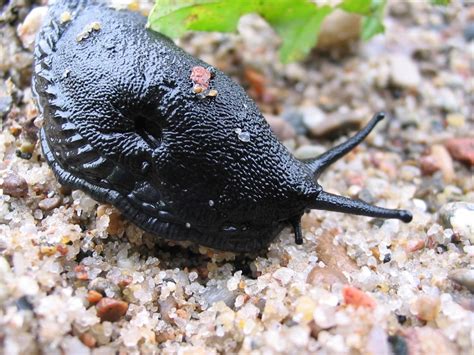
Slugs and Snails: The Nighttime Nibblers
- Identification: Slimy creatures that leave chewed holes in leaves, especially noticeable in the morning. Snails carry shells, while slugs do not.
- Organic Solutions:
- Hand-Picking: Go out at dusk or dawn with a flashlight and hand-pick them, dropping them into a bucket of soapy water.
- Beer Traps: Bury shallow dishes (like tuna cans) up to the rim in the soil and fill with beer. Slugs are attracted to the yeast, fall in, and drown.
- Diatomaceous Earth (DE): Sprinkle food-grade DE around susceptible plants. Its sharp particles dehydrate and kill slugs and snails. Reapply after rain.
- Copper Barriers: Copper tape creates a mild electrical charge that deters slugs and snails when they try to cross it.
Cabbage Worms and Loopers: The Leaf Eaters
- Identification: Green caterpillars (often with a velvety texture for cabbage worms, or a distinctive looping motion for loopers) that chew large holes in brassicas (cabbage, broccoli, kale) and other leafy greens.
- Organic Solutions:
- Hand-Picking: Regularly inspect plants and remove caterpillars by hand.
- Floating Row Covers: Install fine mesh covers over plants to prevent adult moths from laying eggs.
- Bacillus thuringiensis (Bt): A naturally occurring soil bacterium that specifically targets caterpillars. When ingested, it paralyzes their digestive system. It’s harmless to humans and beneficial insects.
Spider Mites: The Tiny Web Spinners
- Identification: Nearly microscopic pests that cause stippling (tiny yellow or white dots) on leaves. In severe infestations, fine webbing may be visible on the undersides of leaves or between stems.
- Organic Solutions:
- Water Spray: Blast undersides of leaves with a strong stream of water to dislodge them.
- Neem Oil: Effective as an ovicide and repellent, disrupting their life cycle.
- Insecticidal Soap: Similar to aphid treatment, it can smother spider mites.
- Predatory Mites: Introduce beneficial predatory mites (e.g., Phytoseiulus persimilis) that feed on spider mites.
General Organic Pest Prevention Strategies
Prevention is often the best medicine in organic gardening. Implementing these practices can significantly reduce pest pressure:
1. Promote Soil Health
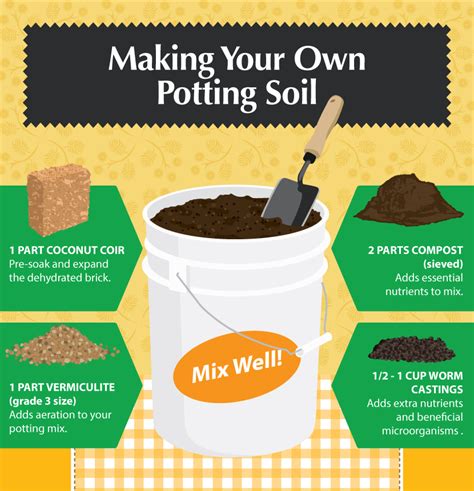
Healthy soil grows healthy plants that are more resistant to pests. Incorporate compost and organic matter to enrich your soil structure and microbial life.
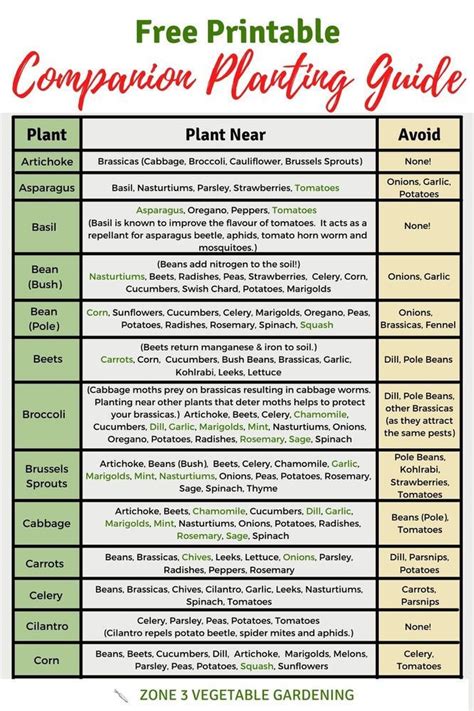
2. Companion Planting
Certain plants can repel pests or attract beneficial insects. For example, marigolds can deter nematodes, while nasturtiums can act as a trap crop for aphids. Dill and parsley attract predatory wasps.
3. Crop Rotation
Avoid planting the same crop in the same spot year after year. Rotating crops disrupts pest life cycles and reduces the build-up of specific soil-borne pests and diseases.
4. Attract Beneficial Insects
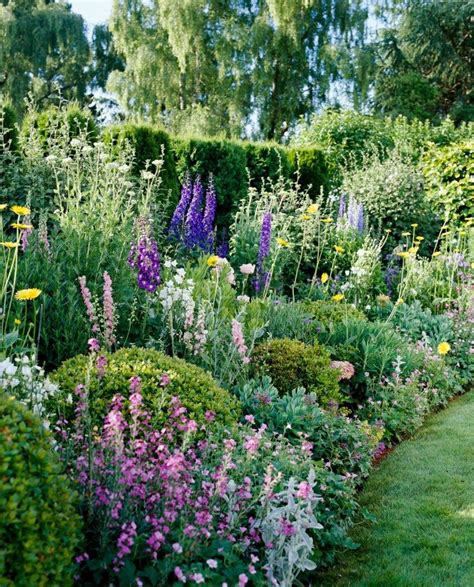
Plant a diverse array of flowers that provide nectar and pollen for beneficial insects like ladybugs, lacewings, parasitic wasps, and hoverflies. These natural predators are your allies in pest control.
5. Proper Garden Hygiene
Remove diseased or heavily infested plant material promptly. Clear garden debris where pests can overwinter. Keep weeds under control, as they can harbor pests.
Conclusion
Mastering organic pest control takes observation, patience, and a willingness to learn from your garden. By understanding your invaders and employing a combination of preventive measures and targeted treatments, you can foster a vibrant, productive vegetable garden that thrives naturally. Enjoy the bounty of your efforts, knowing your produce is healthy, delicious, and free from harmful chemicals.