Effective ways to prevent blossom end rot on homegrown tomatoes naturally?

Blossom end rot (BER) is a frustrating affliction for many home gardeners, turning otherwise perfect tomatoes into unappetizing, black-bottomed fruits. While often mistaken for a disease, BER is actually a physiological disorder primarily caused by a calcium deficiency in the developing fruit, specifically related to the plant’s inability to absorb and transport calcium efficiently. This guide explores effective, natural ways to ensure your homegrown tomatoes remain healthy and free from this common issue.
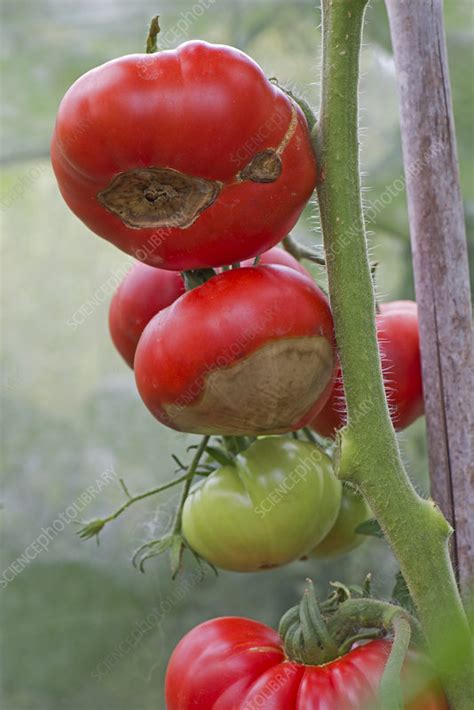
Understanding the Root Cause: Not Just a Calcium Shortage
It’s a common misconception that blossom end rot indicates a lack of calcium in your soil. More often, the soil contains adequate calcium, but the plant struggles to move it to the rapidly growing fruit. This uptake issue is typically linked to inconsistent soil moisture, leading to fluctuating water availability for the plant. Other contributing factors include root damage, extreme soil temperatures, and excessively high soil salinity or low pH, all of which can impede calcium absorption.
Consistent Watering: The Golden Rule
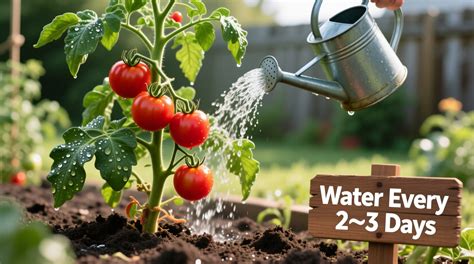
The single most important factor in preventing blossom end rot is maintaining consistent soil moisture. Tomatoes need deep, regular watering, especially during hot, dry spells and when fruits are setting. Avoid dramatic swings from very dry to very wet soil, as these fluctuations stress the plant and disrupt its ability to transport calcium effectively. Aim for moist, but not waterlogged, soil.
- Deep Watering: Water deeply to encourage extensive root growth, which improves nutrient uptake.
- Regular Schedule: Establish a consistent watering schedule, adjusting for weather conditions.
- Morning Watering: Water in the morning to allow foliage to dry before nightfall, reducing disease risk, and to give the plants access to moisture throughout the hottest part of the day.
Mulch for Moisture Retention and Temperature Regulation
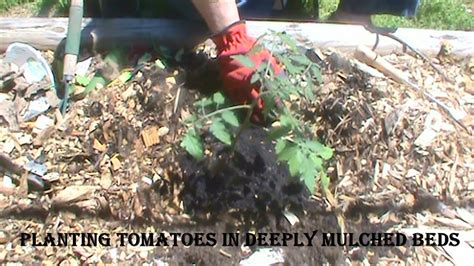
Applying a generous layer of organic mulch around your tomato plants is a game-changer for moisture consistency. Mulch acts as a protective blanket, reducing water evaporation from the soil, suppressing weeds that compete for moisture, and regulating soil temperature. Stable soil temperatures are crucial for healthy root function and nutrient uptake.
- Organic Materials: Use straw, shredded leaves, wood chips, or compost.
- Application: Apply a 2-4 inch layer of mulch, keeping it a few inches away from the plant stem to prevent rot.
- Benefits: Besides moisture regulation, mulch slowly breaks down, enriching the soil with organic matter.
Enhancing Soil Health and Calcium Availability Naturally
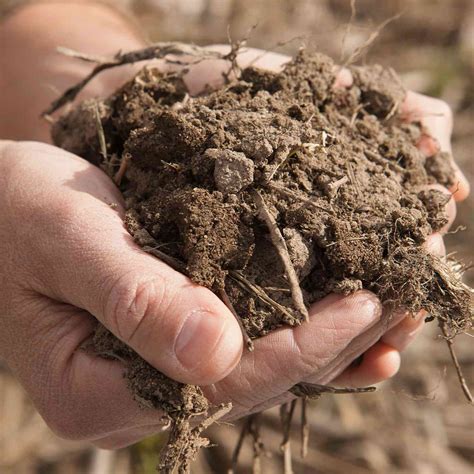
While inconsistent watering is the primary culprit, ensuring your soil has a good calcium supply and the right conditions for uptake is also vital. A soil test can confirm actual calcium levels and pH.
- Calcium Amendments: If a soil test indicates low calcium, or as a preventative measure:
- Bone Meal: A slow-release source of calcium and phosphorus. Incorporate into planting holes or side-dress plants.
- Eggshells: Crushed eggshells provide calcium, though they break down very slowly. Add them to compost or directly to soil.
- Gypsum: (Calcium sulfate) Can improve soil structure and provide calcium without significantly altering pH.
- Maintain Optimal pH: Tomatoes prefer a slightly acidic to neutral pH (6.0-6.8). Soil that is too acidic or alkaline can lock up nutrients, including calcium.
- Organic Matter: Incorporate plenty of compost into your soil annually. Organic matter improves soil structure, water retention, and nutrient availability.
Minimizing Root Disturbance and Thoughtful Fertilization
Tomato roots are sensitive, and any damage can impair their ability to absorb water and nutrients. Be mindful when weeding around plants, and when staking or tying, avoid piercing the root zone. Additionally, be cautious with fertilizers.
- Gentle Weeding: Hand-weed close to plants or use shallow cultivation.
- Careful Staking: Install stakes or cages when plants are young to avoid disturbing mature root systems.
- Balanced Fertilization: Avoid high-nitrogen fertilizers, especially early in the season, as they promote leafy growth at the expense of fruit development and can hinder calcium uptake. Opt for a balanced fertilizer or one slightly higher in phosphorus and potassium once flowering begins.
Conclusion
Preventing blossom end rot naturally boils down to creating a stable and nurturing environment for your tomato plants. By focusing on consistent watering, applying organic mulch, enriching your soil with natural amendments and organic matter, and being mindful of root health and fertilization, you can significantly reduce the risk of BER. With these proactive steps, you’ll be well on your way to harvesting a bountiful crop of beautiful, blemish-free homegrown tomatoes.