
Efficient ways to preserve a summer fruit glut for year-round country eating?
For those embracing the rhythm of country living, summer brings with it an unparalleled bounty: sun-ripened fruits bursting with flavour. However, this glorious glut often presents a delicious dilemma – how to savour every last piece before it spoils? The answer lies in efficient preservation techniques, transforming ephemeral harvests into year-round culinary delights. By mastering a few key methods, you can ensure your pantry, freezer, and cellar are stocked with the sweet tastes of summer, ready to brighten even the dreariest winter day.
Freezing for Effortless Freshness
One of the simplest and most effective ways to preserve summer fruits is by freezing. This method retains much of the fruit’s original flavour, texture, and nutritional value, making it perfect for smoothies, desserts, or simply eating by the handful. The key is to prepare the fruit properly: wash thoroughly, pat dry, remove pits or stems, and chop into desired sizes. For berries, spread them in a single layer on a baking sheet and flash freeze until solid before transferring to freezer bags. This prevents them from clumping together, allowing you to use just what you need.

Larger fruits like peaches, plums, and apricots can be blanched and peeled before slicing and freezing. Freezing offers incredible versatility, providing a foundation for pies, crumbles, sauces, and jams long after the harvest season has ended.
The Timeless Art of Jamming and Preserving
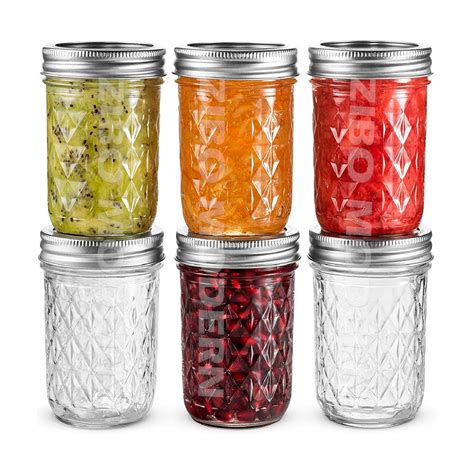
Few things evoke the spirit of country living more than rows of homemade jams, jellies, and chutneys. These traditional methods involve cooking fruit with sugar and sometimes pectin to create shelf-stable spreads. Not only do they capture the concentrated essence of summer, but they also make fantastic gifts. Successful jamming relies on good quality fruit, accurate measurements, and proper sterilisation of jars and lids to ensure a safe, long-lasting product. Experiment with classic strawberry jam, vibrant raspberry jelly, or spiced peach chutney for a taste of summer with a savory twist.
Drying: Concentrating Nature’s Sweetness
Drying fruit is an ancient preservation technique that reduces moisture content, inhibiting spoilage and intensifying natural sugars. Whether using a food dehydrator, a low oven, or even the power of the sun, dried fruits are incredibly versatile. Thinly slice apples, pears, or plums for crispy snacks, or halve apricots and peaches for chewier treats. Dried berries can be added to granola, oatmeal, or baked goods. The process is straightforward, and the resulting nutrient-dense, lightweight snacks are perfect for on-the-go or adding a burst of flavour to winter dishes.
Canning for Long-Term Pantry Staples
Canning, particularly water bath canning for high-acid fruits, is another excellent way to preserve fruit for extended periods. This method involves sealing prepared fruit in sterilised jars and processing them in boiling water, creating a vacuum seal that keeps the contents fresh for a year or more. Think of jars of whole peaches in light syrup, vibrant cherry pie filling, or chunky apple sauce. While it requires careful attention to safety guidelines and tested recipes, the reward is a pantry brimming with ready-to-eat fruit, perfect for impromptu desserts or as additions to breakfast.
Beyond the Basics: Fermentation and Shrubs
For those looking to explore more adventurous preservation, fermentation offers unique flavour profiles and probiotic benefits. Fruit shrubs, made by macerating fruit with sugar and then adding vinegar, create delicious, tangy syrups perfect for mixing with sparkling water or cocktails. You can also experiment with lacto-fermented fruits, adding an interesting dimension to your culinary repertoire. These methods provide a creative outlet for surplus fruit and introduce fascinating new tastes.

Making Every Fruit Count
Beyond these primary methods, remember that even imperfect fruits can find a purpose. Overripe berries are ideal for fruit leathers or fruit vinegars. Bruised apples can be turned into apple butter or cider. Planning your preservation strategy early, investing in suitable equipment, and embracing a ‘waste not, want not’ philosophy will empower you to maximise your summer harvest. The satisfaction of opening a jar of homemade preserves in the depths of winter, tasting the encapsulated sunshine, is a cornerstone of true country eating.

With a little effort and foresight, your summer fruit glut won’t be a fleeting joy but a continuous source of delicious, healthy food, nourishing your family and gracing your table throughout every season.