



Engage kids in garden-to-table real food prep?
Cultivating Healthy Eaters from Garden to Plate
In an age where processed foods often dominate dinner tables, the concept of connecting children with their food sources is more vital than ever. Engaging kids in the garden-to-table process is not just about growing vegetables; it’s about nurturing curiosity, teaching valuable life skills, and fostering a lifelong appreciation for real, wholesome food. From planting a seed to savoring a home-cooked meal, every step offers a unique learning opportunity.
Starting Small: The Garden Adventure Begins
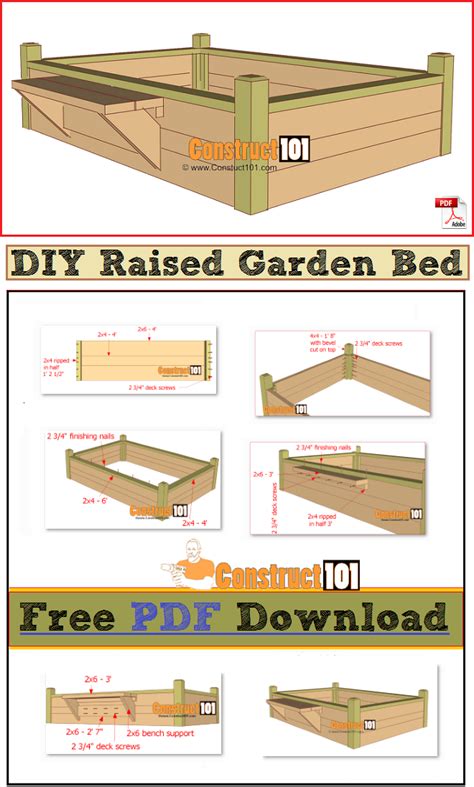
You don’t need a sprawling backyard to start a garden-to-table journey. A few pots on a balcony, a small raised bed, or even an indoor herb garden can ignite a child’s interest. Begin by selecting easy-to-grow, fast-producing plants that offer quick gratification. Think cherry tomatoes, radishes, lettuce, snap peas, or strawberries. Involve your child in every decision, from choosing what to plant to where it will grow.
Kid-Friendly Garden Tasks:
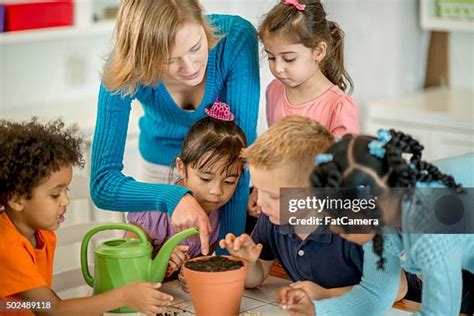
- Planting Seeds: Let them feel the soil, dig small holes, and gently place seeds.
- Watering: A small watering can makes this chore a fun responsibility.
- Weeding: Teach them to identify weeds versus desired plants.
- Harvesting: The ultimate reward! Allow them to pick ripe fruits and vegetables.
From Harvest to Kitchen: Hands-On Cooking Fun
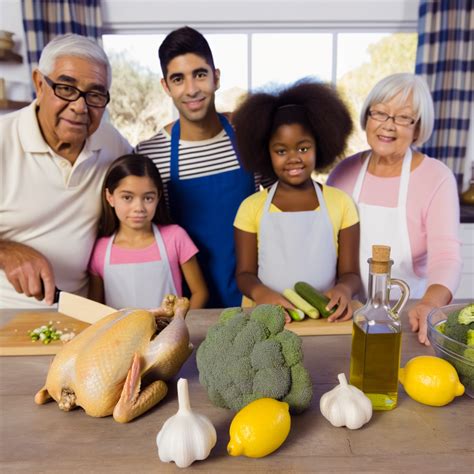
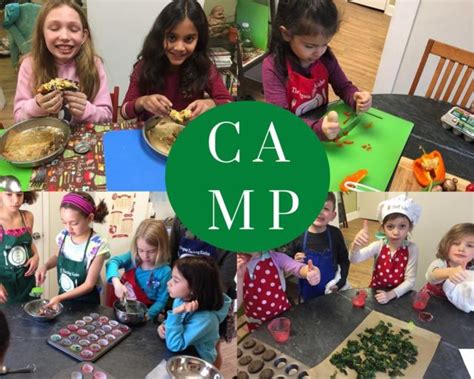
Once the harvest is complete, the magic continues in the kitchen. Involving children in food preparation significantly increases their likelihood of trying new foods and developing healthy eating habits. Tailor tasks to their age and skill level, always prioritizing safety.
Age-Appropriate Kitchen Chores:
- Toddlers (2-3 years): Washing vegetables, tearing lettuce, stirring ingredients, mashing soft fruits.
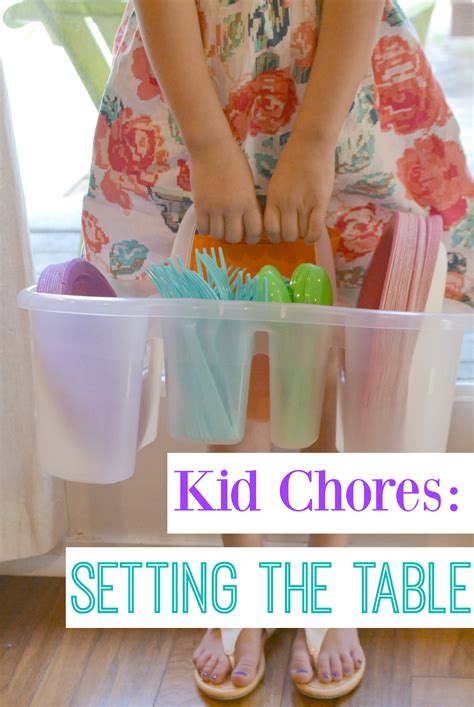
- Preschoolers (4-5 years): Peeling soft-cooked vegetables (with supervision), measuring ingredients, mixing dough, setting the table.
- Young Children (6-8 years): Cutting soft ingredients with a plastic knife, grating cheese, cracking eggs, reading simple recipes.
- Pre-teens (9-12 years): Using a sharp knife with supervision, cooking on the stove (with supervision), planning simple meals, baking.

Simple Garden-to-Table Recipes Kids Will Love
Focus on recipes that highlight your garden’s bounty and are simple enough for little hands to help with. The goal is to make the connection between the fresh ingredient and the delicious final product.
- Fresh Salad: Let them tear lettuce, add cherry tomatoes, cucumber slices, and a simple vinaigrette.
- Veggie Skewers: Chop various garden vegetables (peppers, zucchini, tomatoes) and let kids thread them onto skewers for grilling or roasting.
- Homemade Salsa: A fantastic way to use tomatoes, onions, cilantro, and peppers. Kids can help chop (age-appropriately) and mix.
- Fruit Crumble/Tart: Use berries or apples from the garden, and let them mix the topping ingredients.

Beyond the Plate: The Educational Benefits
The garden-to-table journey offers a wealth of educational opportunities far beyond just eating. It teaches children about:
- Nutrition: Understanding where food comes from helps them appreciate its value and nutritional content.
- Science: Learning about plant life cycles, ecosystems, and healthy soil.
- Responsibility: Caring for plants instills a sense of duty and patience.
- Sensory Exploration: Touching soil, smelling herbs, tasting fresh produce – engaging all five senses.
- Patience and Delayed Gratification: Waiting for seeds to sprout and plants to bear fruit.

Conclusion: Cultivating Lifelong Healthy Habits
Engaging children in garden-to-table real food prep is more than just a fun family activity; it’s an investment in their health, education, and well-being. By empowering them to grow, harvest, and prepare their own food, you’re not just feeding their bodies, but also nurturing curious minds and building healthy habits that will last a lifetime. Embrace the dirt, the messes, and the delicious rewards – the journey itself is the most nourishing part.