

Engaging kids in homestead chores & garden tasks?

Involving children in the daily rhythms of homesteading and gardening can be one of the most rewarding aspects of family life. Beyond just getting tasks done, it cultivates responsibility, teaches valuable life skills, fosters a connection to nature, and strengthens family bonds. But how do you turn what might seem like “work” into an engaging, educational, and even fun experience for kids of all ages?
Start Small and Make it Playful
For younger children, the key is to introduce tasks as play. Toddlers can help water plants with small watering cans, ‘harvest’ ripe berries (even if most end up in their mouths!), or ‘dig’ in a designated dirt patch. Focus on the sensory experience and the joy of participation rather than perfection or efficiency. As they grow, tasks can become more structured but should always retain an element of discovery and fun.

Age-Appropriate Responsibilities
Matching tasks to a child’s developmental stage is crucial for success and preventing frustration. Here’s a general guide:
- Preschoolers (3-5 years): Weeding big weeds, watering, picking large fruits/vegetables, stirring animal feed, washing produce.
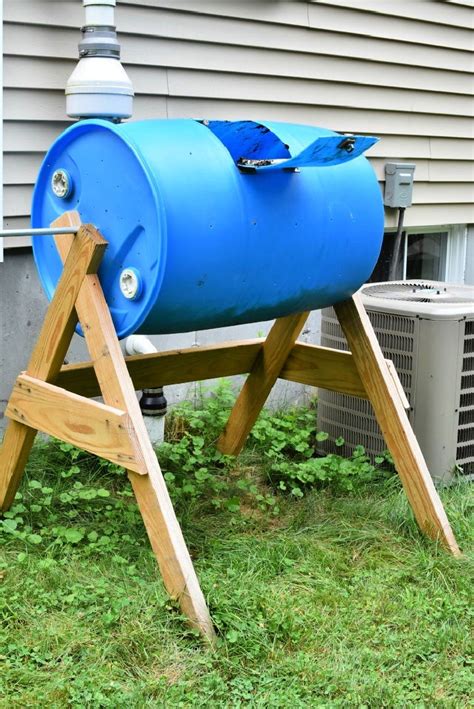
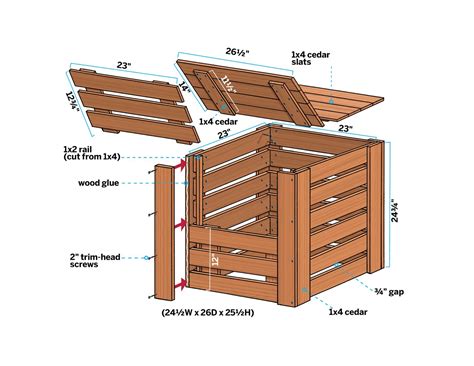
- Early Elementary (6-9 years): Planting seeds, raking leaves, feeding small animals, collecting eggs, simple harvesting, composting.
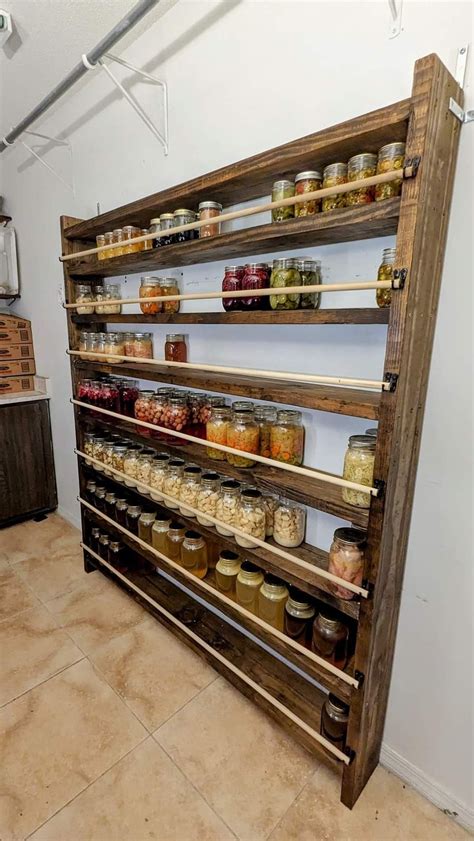
- Late Elementary/Middle School (10-14 years): Digging garden beds, fence mending, caring for larger animals, food preservation, basic tool use, independent garden plot care.
- Teenagers (15+ years): Leading projects, operating machinery, budgeting for supplies, managing specific animal care, complex building or repair tasks.
Embrace the Learning Curve (and the Mess!)
Homesteading is inherently hands-on and often messy. Let kids get dirty! It’s part of the experience. Teach them about soil health, insect life cycles, plant growth, and animal care through direct interaction. Explain the ‘why’ behind tasks – why we compost, why we rotate crops, why animals need fresh water daily. This transforms a chore into a science lesson or an ecological study.

Give Them Ownership and Choice
Allowing children to choose a specific plant to grow from seed, design a small section of the garden, or be solely responsible for a particular animal’s feeding schedule fosters a powerful sense of ownership. When they feel their contributions are valued and necessary, their engagement soars. Let them make mistakes (within safe limits) and learn from them. This builds resilience and problem-solving skills.
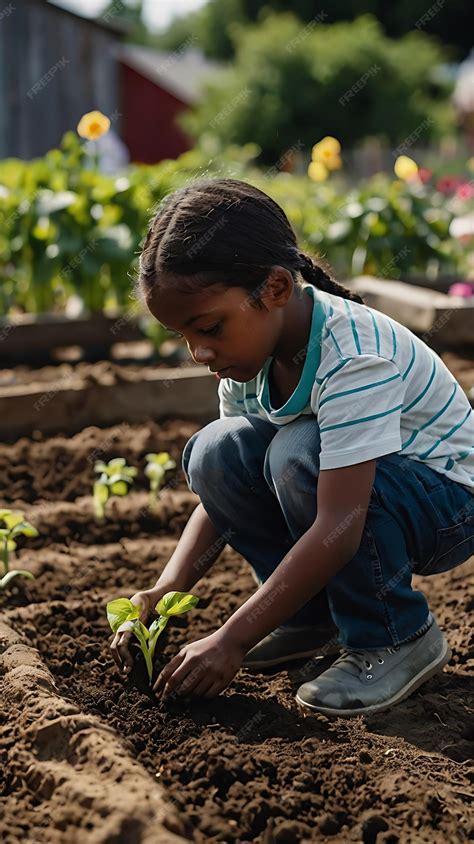
Make it a Family Affair and Celebrate Successes
Working side-by-side on chores builds a strong sense of teamwork and shared purpose. Schedule dedicated family work times, followed by a communal meal prepared with the harvest, or a fun activity. Acknowledge and praise their efforts, no matter how small. Point out the literal fruits of their labor – “Look at these carrots you helped plant!” or “The chickens are so healthy because you fed them!” Small rewards, like choosing the next garden crop or a special treat, can also be motivating.

Turn Challenges into Opportunities
Not every day will be sunshine and smooth sailing. Pests, crop failures, or animal ailments are part of homestead life. Involve children in finding solutions. How can we deter slugs? What can we learn from this wilted plant? This teaches critical thinking and resilience in the face of setbacks, mirroring challenges they’ll face throughout life.
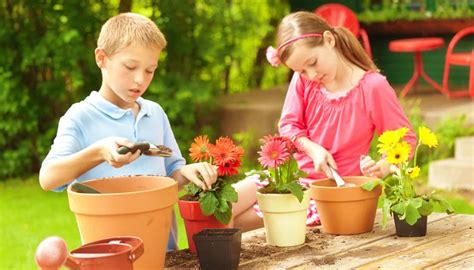
Engaging kids in homestead and garden tasks is more than just getting help; it’s an investment in their development, health, and future. By making it fun, educational, and collaborative, you’re not just growing food; you’re growing capable, compassionate, and connected individuals.