



Enrich garden soil naturally for better vegetable yields?
The Cornerstone of a Thriving Vegetable Garden: Healthy Soil
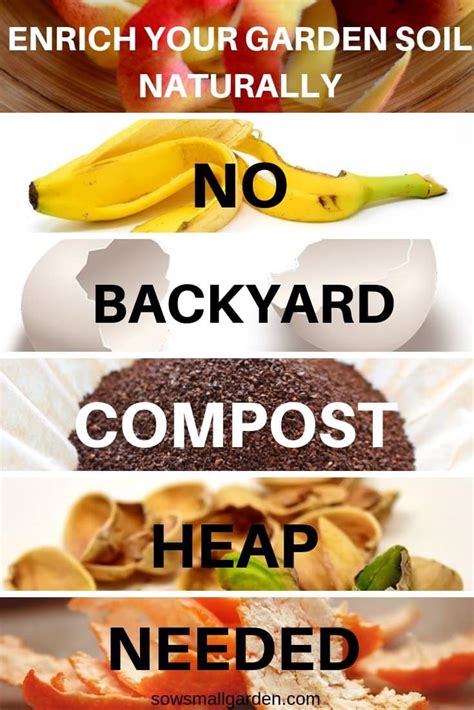
For any gardener, especially those striving for bountiful vegetable yields, understanding and nurturing the soil beneath their feet is paramount. Rich, living soil isn’t just a medium to hold plants; it’s a complex ecosystem teeming with beneficial microorganisms, essential nutrients, and the perfect structure to support robust root growth. Opting for natural soil enrichment methods not only boosts your harvest but also creates a sustainable, resilient garden environment that thrives year after year, reducing the need for synthetic inputs.

Composting: Your Garden’s Gold Mine
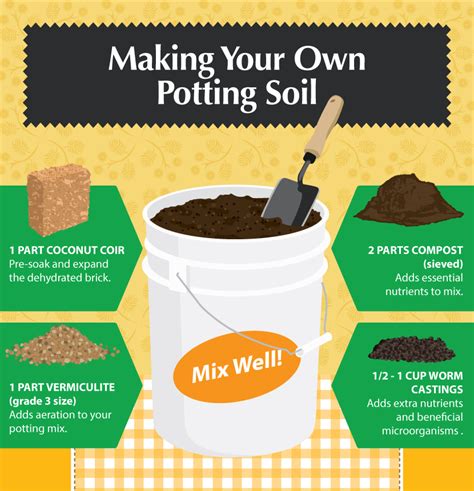
Compost is arguably the most valuable natural amendment you can add to your garden. Made from decomposed organic matter like kitchen scraps, yard waste, and leaves, compost introduces a wealth of nutrients, improves soil structure, enhances water retention in sandy soils, and aids drainage in clay soils. It also inoculates the soil with beneficial microbes, critical for nutrient cycling and disease suppression. Regularly incorporating well-rotted compost into your garden beds provides a slow-release fertilizer and continuously builds soil health.
Starting Your Compost Pile
A successful compost pile requires a balance of “greens” (nitrogen-rich materials like food scraps and grass clippings) and “browns” (carbon-rich materials like dry leaves and wood chips), along with moisture and aeration. Turning the pile periodically speeds up decomposition and ensures even breakdown. Even without a dedicated bin, a simple pile can work wonders.
Embrace Green Manure and Cover Crops
When garden beds are left fallow, they risk nutrient depletion, soil erosion, and compaction. Cover crops, often referred to as green manure, are plants grown specifically to benefit the soil rather than for harvest. Legumes like clover and vetch fix atmospheric nitrogen, enriching the soil, while grasses like rye and oats add organic matter and improve soil structure. Sown after harvest and tilled into the soil before the next planting, cover crops prevent nutrient leaching, suppress weeds, and invite beneficial insects.
Choosing the Right Cover Crop
The best cover crop depends on your climate, soil type, and the goals you want to achieve. Winter rye is excellent for adding organic matter and preventing erosion in colder months, while crimson clover is superb for nitrogen fixation and suppressing weeds in warmer periods. Researching options suitable for your region is key.
Mulching for Moisture, Nutrients, and Weed Control
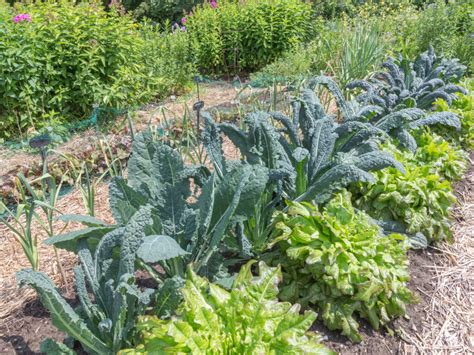
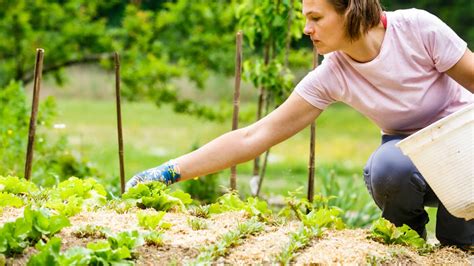
Applying a layer of organic mulch, such as straw, wood chips, shredded leaves, or grass clippings, around your vegetable plants offers a multitude of benefits. Mulch helps retain soil moisture, reducing the need for frequent watering. It moderates soil temperature, keeping roots cooler in summer and warmer in winter. As organic mulches decompose, they slowly release nutrients back into the soil, feeding the microbial life and improving soil fertility. Furthermore, a thick layer of mulch effectively suppresses weeds, saving you countless hours of weeding.
Harnessing Natural Fertilizers and Amendments
While compost and cover crops are foundational, specific natural amendments can provide targeted nutrient boosts. Here are a few examples:
- Worm Castings: A super-rich amendment packed with beneficial microbes and readily available nutrients.
- Bone Meal: Excellent source of phosphorus and calcium, promoting strong root development and flowering.
- Blood Meal: Provides a quick boost of nitrogen, ideal for leafy greens.
- Kelp Meal: Rich in trace minerals and growth hormones, enhancing overall plant vigor and stress resistance.
- Rock Phosphate: A slow-release source of phosphorus and other minerals.
- Wood Ash: A good source of potassium and lime (raises pH), use sparingly and only if your soil needs these elements.
Always conduct a soil test before applying specific amendments to ensure your garden truly needs them and to avoid imbalances.
The Long-Term Rewards of Natural Soil Building
Adopting natural soil enrichment practices is an investment in the long-term health and productivity of your garden. While it may require a little more initial effort than relying on synthetic products, the rewards are immense: healthier plants, increased resistance to pests and diseases, significant improvements in taste and nutritional value of your produce, and ultimately, a more vibrant and sustainable garden ecosystem. By focusing on feeding the soil, not just the plants, you unlock the true potential of your vegetable patch, ensuring abundant harvests for years to come.