Essential cast iron care & cooking tips for savory country dishes?

Unlocking the Magic of Cast Iron for Authentic Country Cuisine
There’s an undeniable charm and robust flavor that only cast iron cookware can impart to classic country dishes. From crispy fried chicken to tender cornbread and hearty stews, a well-cared-for cast iron skillet or Dutch oven isn’t just a cooking vessel; it’s a cherished heirloom and an indispensable tool for creating meals that evoke warmth and tradition. Mastering its use, however, requires understanding both proper care and effective cooking techniques. Let’s delve into the secrets that will transform your cast iron into a powerhouse for savory country cooking.

The Foundation: Impeccable Cast Iron Care
A well-seasoned cast iron pan is naturally non-stick and a joy to cook with. Seasoning is a layer of polymerized oil baked onto the iron, creating a protective, non-stick surface. When you first get a pan, especially if it’s new and pre-seasoned, it’s a good idea to add a few extra layers of seasoning to build up its resilience. For ongoing maintenance, proper cleaning is paramount.
Seasoning & Re-Seasoning Your Skillet
To season, simply apply a very thin layer of high smoke point oil (like flaxseed, grapeseed, or vegetable oil) to all surfaces of the pan. Wipe off any excess, then bake it upside down in an oven at 450-500°F (232-260°C) for an hour. Let it cool slowly. Repeat this process 3-5 times for a robust initial seasoning. If your pan ever looks dull, food sticks, or you see rust, it’s time for a re-seasoning.
Cleaning Without Compromise
Forget the myth about never using soap; a small amount of mild dish soap won’t strip a well-seasoned pan. However, harsh detergents or steel wool can damage the seasoning. Ideally, clean your pan immediately after use while it’s still warm. Scrape off stuck-on food with a stiff brush, plastic scraper, or even a chainmail scrubber designed for cast iron. Rinse with warm water. For tougher spots, a salt scrub (coarse salt and a little oil) works wonders.

Drying and Oiling: The Final Touches
The cardinal rule of cast iron care is to dry it thoroughly immediately after washing to prevent rust. You can place it on a low burner on the stovetop for a few minutes until all moisture evaporates. Once dry, apply another very thin layer of cooking oil (the same oil you use for seasoning) to the entire cooking surface. Wipe off any excess with a paper towel. This light oiling protects the pan and reinforces the seasoning.
Mastering Cast Iron Cooking for Savory Country Dishes
With a perfectly seasoned pan, you’re ready to unlock unparalleled flavor. Cast iron excels at retaining and distributing heat evenly, making it ideal for the slow cooks and high-heat sears common in country cuisine.
The Art of Preheating
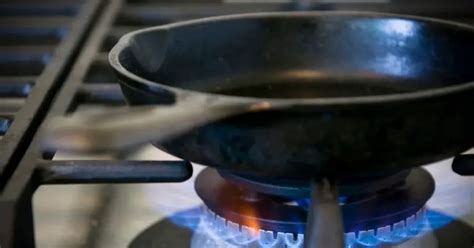
Patience is a virtue, especially with cast iron. Always preheat your pan slowly and thoroughly over medium-low heat for 5-10 minutes before adding food. This ensures even cooking, prevents sticking, and creates that perfect crust on fried chicken or a golden bottom on cornbread. Dropping food into a cold pan is a recipe for disaster.
Heat Management and Fat Selection
Cast iron holds heat incredibly well, so you often don’t need to cook on high heat. Adjust your heat source as needed; for searing, a medium-high heat might be appropriate, but for simmering or frying, medium to medium-low usually suffices. When it comes to fat, embrace the flavors of country cooking: bacon grease, lard, or butter not only prevent sticking but also infuse your dishes with rich, authentic taste.
Country Staples That Shine in Cast Iron
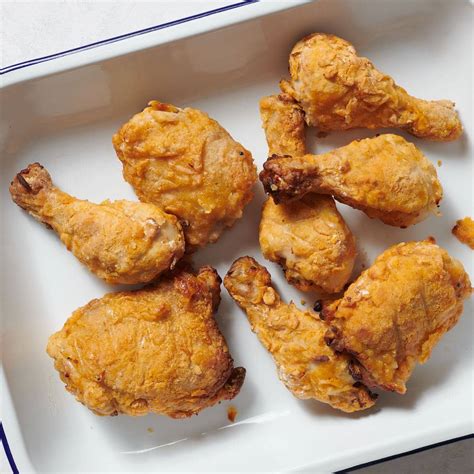
- Fried Chicken: The even heat distribution and ability to maintain temperature make cast iron perfect for achieving that coveted crispy skin.
- Cornbread: A well-greased, preheated cast iron skillet creates a deeply golden, crunchy crust that’s simply irresistible.
- Gravies and Sauces: After cooking meat, deglaze the pan drippings to create rich, flavorful gravies directly in the skillet.
- Stews and Pot Roasts: A Dutch oven is excellent for browning meat on the stovetop, then transferring it to the oven for a slow braise.
- Sautéed Vegetables: From collard greens to okra, vegetables cooked in cast iron with a bit of bacon grease develop incredible depth of flavor.
A Note on Acidic Foods
While cast iron is versatile, cooking highly acidic foods (like tomato sauce or lemon juice) for prolonged periods can strip away seasoning and impart a metallic taste to your food. For short bursts, it’s generally fine, but for long simmers, you might opt for another type of cookware unless your pan is exceptionally well-seasoned and you’re prepared for a quick re-seasoning touch-up.
Embrace the Legacy
With proper care and a few savvy cooking techniques, your cast iron cookware will become an indispensable workhorse in your kitchen, delivering savory country dishes that satisfy the soul. It’s more than just a pan; it’s a connection to culinary heritage, promising generations of delicious meals and cherished memories. Invest the time in its care, and it will repay you tenfold in flavor.