Essential cast iron skillet tips for easy, rustic, homemade meals?

Embracing the Timeless Charm of Cast Iron Cooking
There’s a reason cast iron skillets have graced kitchens for centuries. More than just a cooking vessel, a well-cared-for cast iron skillet becomes an heirloom, infusing food with unparalleled flavor and enabling you to craft effortlessly rustic, homemade meals. Its ability to retain and distribute heat evenly makes it ideal for everything from a perfectly seared steak to a fluffy cornbread. But to truly unlock its potential, a few essential tips are key.
The Cornerstone: Perfect Seasoning
The secret to non-stick cooking and incredible flavor in cast iron lies in its seasoning – a baked-on layer of polymerized oil that creates a natural, easy-release surface. When you first get a new skillet, or if an old one needs revival, proper seasoning is paramount. Start by washing it with warm water (no harsh soap), drying thoroughly, and then applying a very thin layer of high smoke point oil (like grapeseed, flaxseed, or vegetable oil) over the entire surface, inside and out. Wipe off any excess so it looks dry, then bake upside down in a 400-450°F (200-230°C) oven for an hour. Let it cool slowly in the oven. Repeat this process 3-5 times for a robust initial seasoning. Regular cooking with oil and fats will only improve it over time.
Cleaning for Longevity and Performance
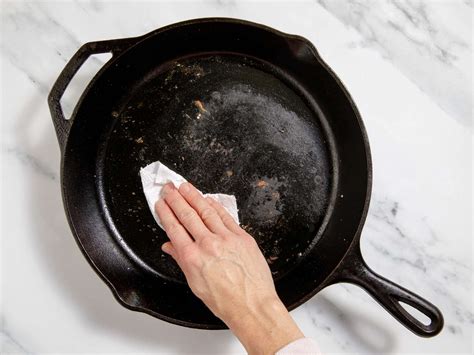
Forget the myth about never using soap on cast iron! A little mild dish soap won’t strip away well-established seasoning. The key is to avoid abrasive scrubbers that can scratch the surface and always dry it immediately and thoroughly after washing. For stuck-on food, try deglazing with water while it’s still warm, or use a stiff brush or a cast iron scraper. Avoid metal scouring pads. After cleaning and drying, apply a very thin layer of cooking oil and gently heat the skillet on the stovetop for a minute until it just starts to smoke, then let it cool. This helps maintain the seasoning and prevents rust.

Mastering Heat Distribution for Even Cooking
Cast iron is an excellent heat retainer, but it needs time to get there. Always preheat your skillet gradually over medium-low heat for 5-10 minutes before adding food. This ensures even heat distribution across the entire cooking surface, preventing hot spots and promoting consistent cooking. Rushing the preheating process can lead to food sticking and uneven browning. Once hot, cast iron will maintain its temperature beautifully, making it perfect for searing meats, frying eggs, or achieving that perfect golden crust on baked goods.
Unleashing Culinary Versatility: What to Cook
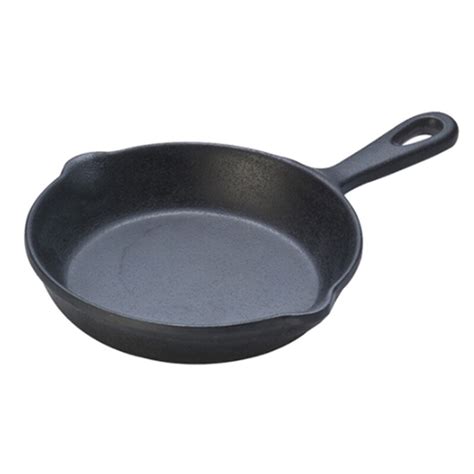
From stovetop to oven to campfire, a cast iron skillet is incredibly versatile. Sear a steak to perfection on the stove, then transfer it directly to the oven to finish cooking. Bake a rustic apple crisp or a pan pizza that boasts an incredibly crispy crust. Fry up crispy fried chicken, scramble fluffy eggs, or even bake an entire loaf of no-knead bread. The possibilities are endless, and the unique flavor profile that cast iron imparts elevates everyday meals into something special.

Troubleshooting Common Issues
Even with the best care, you might encounter issues like food sticking or rust. If food is sticking, your seasoning might be compromised or insufficient, or you might not be using enough cooking oil. Re-seasoning a few times can often solve this. For rust, don’t despair! Scour the rusty areas with steel wool or a stiff brush until the rust is gone, then wash, dry, and immediately re-season the skillet multiple times until a dark, protective layer is re-established.

Embrace Your Cast Iron Journey
With a little care and understanding, your cast iron skillet will become an indispensable tool in your kitchen, helping you create countless easy, rustic, and incredibly delicious homemade meals. It’s a journey of learning, cooking, and savoring the timeless tradition of cast iron. Happy cooking!