




Essential tips for preserving garden harvest for wholesome country meals?

Embracing the Bounty: Why Preserve Your Garden Harvest?
There’s immense satisfaction in harvesting fresh produce from your own garden. The vibrant colors, the earthy scents, and the unparalleled taste are a testament to hard work and nature’s generosity. But what happens when your harvest is too abundant to consume fresh? The answer lies in preservation – a time-honored tradition that extends the life of your produce, allowing you to savor wholesome, country-style meals long after the growing season ends. Preserving isn’t just about preventing waste; it’s about capturing peak freshness, ensuring nutrient-rich ingredients for your pantry, and fostering self-sufficiency.
From tangy pickles to sweet jams, and from crisp frozen vegetables to aromatic dried herbs, the possibilities are endless. These methods not only save you money on groceries but also provide peace of mind, knowing exactly what goes into your family’s food. Let’s explore the essential tips for transforming your garden’s seasonal peak into a year-round larder of deliciousness.

Key Preservation Methods for Garden Goodness
1. Canning: Sealing in Freshness and Flavor
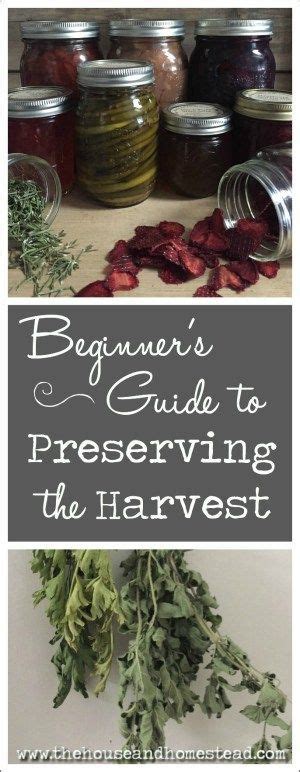
Canning is perhaps the most iconic preservation method, perfect for everything from tomatoes and peaches to green beans and pickles. It involves sealing food in sterile jars and heating them to destroy microorganisms and create a vacuum seal. There are two primary methods:
- Water Bath Canning: Ideal for high-acid foods like fruits, jams, jellies, pickles, and tomato products (often with added acidity). The jars are submerged in boiling water for a specified time.
- Pressure Canning: Essential for low-acid foods such as most vegetables (e.g., green beans, corn, carrots), meats, and poultry. A pressure canner heats food to a higher temperature than boiling water, safely eliminating dangerous bacteria like Clostridium botulinum.
Tips for Success: Always use proper canning equipment, follow tested recipes from reliable sources (like extension offices), and ensure jars and lids are properly sterilized and sealed. Never shortcut processing times.
2. Freezing: Quick and Convenient Preservation
Freezing is one of the easiest ways to preserve a wide variety of garden produce while maintaining much of its fresh flavor, texture, and nutritional value. It’s particularly effective for vegetables, fruits, and herbs.
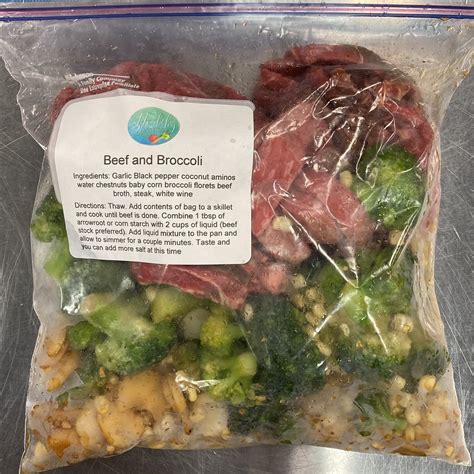
- Vegetables: Most vegetables benefit from blanching (briefly boiling then chilling in ice water) before freezing. This stops enzyme action that can cause loss of flavor, color, and texture. Pack blanched vegetables tightly into freezer bags or containers, removing as much air as possible.
- Fruits: Many fruits can be frozen whole, sliced, or pureed. Freezing fruit on a baking sheet first (flash freezing) prevents clumping, making it easier to use small portions later.
- Herbs: Chop herbs and freeze them in ice cube trays with a little water or olive oil for easy additions to winter dishes.

3. Drying: Concentrating Flavors Naturally
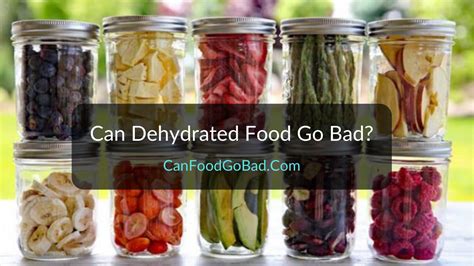
Drying removes moisture from food, inhibiting the growth of bacteria, yeasts, and molds. This method intensifies flavors and results in lightweight, shelf-stable ingredients perfect for snacks, soups, and teas.
- Methods: You can use a food dehydrator, an oven set to its lowest temperature with the door ajar, or air drying (for herbs and peppers) in a well-ventilated area.
- Best for: Herbs, fruit leathers, apple rings, tomato halves, mushrooms, and hot peppers.
Tips for Success: Slice food thinly and uniformly for even drying. Ensure food is completely dry and brittle before storing in airtight containers to prevent spoilage.
4. Root Cellaring and Cold Storage: Nature’s Refrigerator
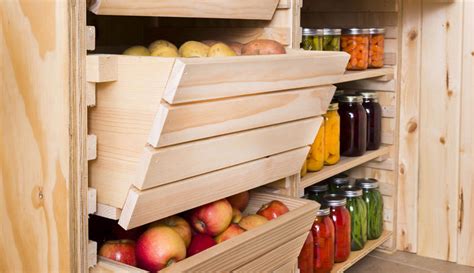
For certain root crops and hardy vegetables, a cool, dark, and humid environment can extend their freshness for months without processing. Think of it as a natural, energy-free refrigerator.
- Ideal for: Potatoes, carrots, beets, turnips, parsnips, onions, garlic, and winter squash.
- Conditions: A true root cellar provides consistent cool temperatures (just above freezing) and high humidity. If you don’t have a dedicated root cellar, a cool basement corner, an unheated garage (protected from freezing), or even buried bins can work.
Tips for Success: Cure crops like onions, garlic, and winter squash first. Store different crops in appropriate conditions – some prefer sand or sawdust for humidity (carrots, beets), while others need good airflow (onions, garlic).
Essential Tips for Successful Preservation
Regardless of the method you choose, a few universal principles will ensure your preservation efforts are both safe and rewarding:
- Start with Quality: Always use fresh, ripe, undamaged produce. Preservation won’t improve poor-quality ingredients.
- Cleanliness is Key: Sanitize all equipment, jars, and surfaces. Proper hygiene prevents spoilage and ensures food safety.
- Follow Recipes Precisely: Especially for canning, deviations from tested recipes can lead to dangerous food spoilage.
- Label Everything: Include the date and contents on every jar, bag, or container. This helps with inventory management and ensures you consume older items first.
- Store Properly: Keep preserved goods in a cool, dark, dry place. Canned goods should be stored without rings for proper sealing verification.
Preserving your garden harvest is a skill that connects you to generations past and empowers you to feed your family with wholesome, homemade goodness. Each jar, bag, or dried bunch represents an investment of time and love, ready to be transformed into comforting country meals whenever you desire. Embrace the process, experiment with flavors, and enjoy the delicious rewards of your labor!