Extend fresh garden herbs: Best storage method after harvesting?

Maximizing Freshness: Why Proper Herb Storage Matters
There’s nothing quite like the vibrant flavor and aroma of fresh herbs straight from the garden. However, their delicate nature means they can quickly wilt and lose their potency if not stored correctly after harvesting. Understanding the best storage methods is key to extending their life, ensuring you have culinary gems on hand for longer and minimizing waste.
Before diving into specific techniques, a few general principles apply to all herbs: always handle them gently, remove any damaged or yellowed leaves, and ensure they are clean. For most methods, it’s often best to wash them only just before use to prevent excess moisture from encouraging spoilage.

Short-Term Solutions: Refrigeration Techniques
For most herbs, refrigeration is your go-to for keeping them fresh for a few days to a week. The method you choose depends on the herb’s texture and moisture preference.
The “Bouquet” Method for Tender Herbs
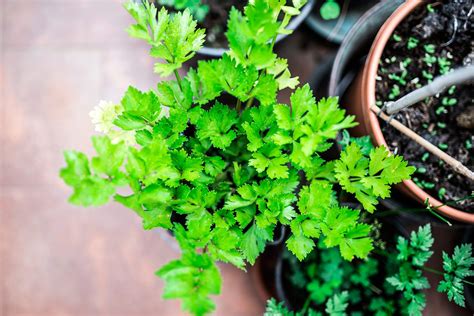
Tender herbs like basil, cilantro, parsley, dill, and mint thrive when treated like a floral bouquet. Trim the ends of the stems, place them upright in a glass or jar with about an inch of water, and cover loosely with a plastic bag. Basil, in particular, prefers not to be refrigerated if possible, but if you must, ensure it’s well-protected from cold drafts. Change the water every day or two. This method can keep them fresh for up to a week.
Paper Towel Wrap for Sturdier Herbs
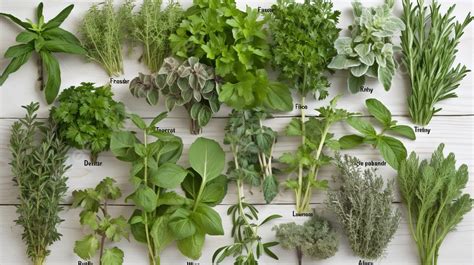
Hardier herbs such as rosemary, thyme, sage, oregano, and chives generally prefer a drier environment. Wrap these herbs loosely in a slightly damp (not wet) paper towel, then place them in an airtight container or a resealable plastic bag. Store in the crisper drawer of your refrigerator. This helps maintain a humid but not soggy environment, preventing both drying out and excess moisture spoilage. They can last for up to two weeks this way.
Medium-Term Magic: Freezing Herbs
Freezing is an excellent option for preserving herbs for several months, especially if you have an abundance. While their texture might change slightly upon thawing, their flavor remains largely intact, making them perfect for cooked dishes, soups, and stews.
Ice Cube Tray Method with Oil or Water
Chop your herbs finely and pack them into ice cube trays. Cover them with a neutral oil (like olive oil) or water. Once frozen solid, pop the herb cubes out and transfer them to a freezer-safe bag or container. Label with the herb name and date. When you need them, simply drop a cube into your cooking.
Flash Freezing for Whole Leaves
For whole leaves, particularly larger ones like sage or bay leaves, spread them in a single layer on a baking sheet lined with parchment paper. Freeze until solid, then transfer to a freezer-safe bag. This prevents them from clumping together and allows you to grab individual leaves as needed.

Long-Term Preservation: Drying Herbs
Drying is a time-honored method for long-term herb storage, transforming fresh leaves into concentrated flavor bombs that can last for a year or more. The flavor profile will differ from fresh herbs, becoming more earthy and potent.
Air Drying Method
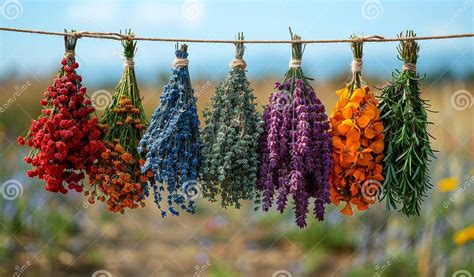
Bundle small handfuls of sturdier herbs (rosemary, thyme, oregano, sage) together with kitchen twine. Hang them upside down in a warm, dry, well-ventilated area away from direct sunlight. Depending on humidity, this can take one to three weeks. Once completely brittle, strip the leaves from the stems and store them in airtight jars in a cool, dark place.
Oven or Dehydrator Drying
For a quicker drying process, a food dehydrator is ideal. Follow the manufacturer’s instructions for drying herbs. Alternatively, you can use a low oven setting (around 100-150°F or 40-65°C) with the door slightly ajar to allow moisture to escape. Spread herbs in a single layer on a baking sheet and check every 30 minutes, turning as needed, until brittle. This can take several hours.
Final Tips for Herb Storage Success
- Wash Just Before Use: Excess moisture is the enemy of fresh herbs, promoting mold and spoilage.
- Label Everything: Especially for frozen or dried herbs, knowing what’s what and when it was stored is crucial.
- Check for Spoilage: If herbs become slimy, discolored, or develop an off-smell, it’s time to discard them.
- Use Airtight Containers: This prevents flavor loss and protects against freezer burn or moisture absorption.
Enjoy Your Garden’s Bounty Year-Round
By employing these simple yet effective storage techniques, you can significantly extend the life of your freshly harvested garden herbs. Whether you opt for the crisp freshness of refrigerated bundles, the convenience of frozen cubes, or the concentrated flavor of dried leaves, you’ll be able to enjoy the taste of your garden’s bounty in your cooking all year long. Happy harvesting and happy cooking!