Extend harvest: simple cold frame build for fall greens?

Unlock Extended Harvests with a Cold Frame
As autumn leaves begin to fall and the crispness of cooler air signals the end of the traditional growing season, many gardeners feel a pang of sadness. But what if you could continue harvesting fresh, homegrown greens long after the first frost? Enter the humble cold frame – a simple, unheated structure that acts like a mini-greenhouse, protecting your plants from the elements and extending your gardening season by weeks, or even months.
Building a cold frame doesn’t require advanced carpentry skills or a large budget. With a few basic materials and a weekend afternoon, you can create a valuable addition to your garden that pays dividends in fresh produce. This guide will walk you through a simple cold frame build perfect for nurturing fall and early winter greens.
Why Build a Cold Frame? The Benefits Are Clear
A cold frame is more than just a box with a lid; it’s an investment in your gardening future. Its primary function is to trap solar energy, warming the soil and air inside, while simultaneously shielding plants from harsh winds, heavy rains, and frosty temperatures. This creates a microclimate significantly milder than the ambient outdoors.
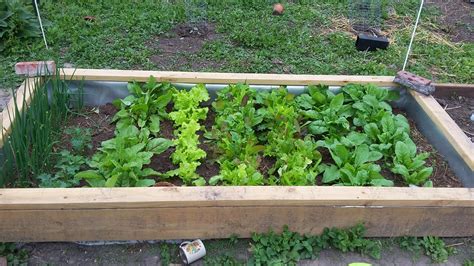
Beyond extending your harvest of leafy greens like lettuce, spinach, and Swiss chard, cold frames are excellent for hardening off seedlings in spring, providing a nursery for early season starts, or even overwintering tender perennials. They offer a practical, sustainable way to enhance your self-sufficiency and enjoy delicious produce year-round.

Simple Design: What You’ll Need
The beauty of a simple cold frame lies in its adaptability and the use of readily available materials. For a basic, effective design, you’ll typically need:
- For the Frame: Lumber (untreated cedar, redwood, or pressure-treated pine for longevity, or even reclaimed wood) for the sides. Common dimensions are 1×8 or 2×8 boards.
- For the Lid: An old window sash, clear polycarbonate panels, or heavy-duty clear plastic sheeting stretched over a wooden frame. The lid is crucial for light transmission and heat retention.
- Hardware: Hinges (for easy opening and ventilation), screws or nails, and potentially a prop stick or chain to hold the lid open.
Consider the dimensions that best suit your garden space and the size of your lid material. A common size is about 3 feet by 6 feet, but you can scale it up or down.
Step-by-Step: Constructing Your Cold Frame
1. Choose Your Site
Location is key. Select a sunny spot in your garden, ideally one that receives full sun (6+ hours) during the shortest days of fall and winter. A south-facing location against a wall or fence can provide additional shelter and heat reflection. Ensure the ground is relatively level and well-drained.
2. Build the Base
Cut your lumber to create a rectangular box. It’s beneficial for the back of the cold frame to be slightly taller than the front (a slope of 6-12 inches is common). This angle allows for better sun penetration and helps shed water off the lid. Assemble the boards using screws or nails, ensuring the corners are sturdy. You can dig the base slightly into the ground for added insulation and stability.

3. Create the Lid
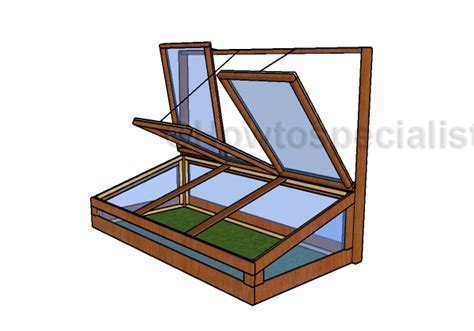
If you’re using an old window, you’re halfway there! Ensure it’s clean and structurally sound. If building a lid from scratch, construct a simple frame from thinner lumber (e.g., 1x2s) that fits snugly over your base. Stretch clear polycarbonate or heavy plastic sheeting over this frame, securing it tightly with staples or small nails. The goal is an airtight seal to trap heat.
4. Assemble and Secure
Attach the lid to the back of the cold frame base using sturdy hinges. This allows you to easily open and close it for ventilation and access. Add a prop stick, chain, or an automatic vent opener to hold the lid open at various angles, preventing overheating on sunny days. You might also add handles for easier maneuvering.
What to Grow in Your Fall Cold Frame
The ideal plants for a fall cold frame are those that thrive in cooler temperatures and don’t mind a bit of shade. Excellent choices include:
- Leafy Greens: Spinach, lettuce (especially butterhead and romaine varieties), arugula, mâche, mustard greens, kale.
- Root Vegetables: Radishes, carrots (shorter varieties), small beets.
- Herbs: Parsley, cilantro (can bolt quickly if it gets too warm), chives.
Plant seeds or transplants in your cold frame in late summer or early fall, giving them enough time to establish before the coldest weather truly sets in.
Cold Frame Care and Management
Even though it’s simple, a cold frame isn’t a set-it-and-forget-it solution. It requires a bit of management:
- Ventilation: On sunny days, even in winter, temperatures inside can soar. Prop open the lid to prevent plants from cooking. Close it again before sunset to trap warmth.
- Watering: Plants in a cold frame will require less frequent watering than outdoor plants, but don’t let them dry out completely. Check the soil moisture regularly.
- Pest Control: Keep an eye out for slugs and other pests that might find the sheltered environment appealing.
- Insulation: For very deep freezes, you can add extra insulation around the outside of the frame, such as straw bales, blankets, or even old carpet.
Enjoy Your Extended Harvest!
With your new cold frame, you’re no longer limited by the traditional growing season. Imagine stepping into your garden on a chilly winter day and harvesting fresh, crisp greens for your dinner table. It’s a simple project that yields immense satisfaction and delicious rewards. So, gather your materials, dedicate a weekend, and get ready to extend your harvest well into the colder months!