


Family garden: how to preserve harvest with kids?
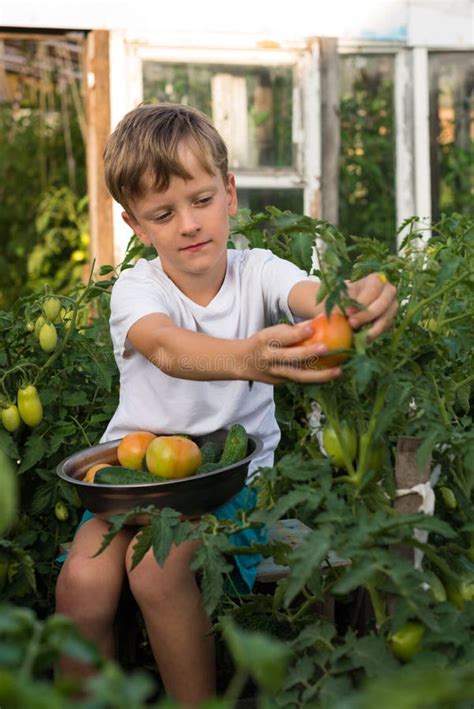
The garden offers a bounty far beyond fresh produce; it provides a unique classroom where children can learn about nature, nutrition, and the value of hard work. When harvest season arrives, extending these lessons into the kitchen through food preservation can transform it into a magical, hands-on family adventure. Involving kids in preserving your garden’s yield not only teaches them essential life skills but also creates cherished memories and a pantry full of delicious, homemade goodness.
Making Memories and Meals Together
In a world of instant gratification, teaching children the slower, more deliberate process of preserving food can be incredibly rewarding. It connects them directly to where their food comes from, fostering an appreciation for seasonal eating and reducing food waste. Children who participate in harvesting and preserving are more likely to try new foods and understand the effort involved in bringing meals to the table.
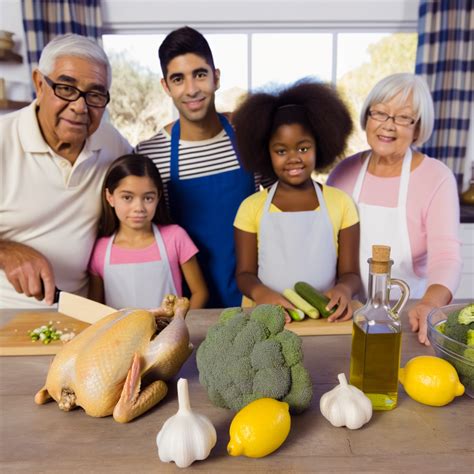
Beyond the educational benefits, these activities strengthen family bonds. Spending time together in the kitchen, laughing over sticky hands, and proudly displaying jars of homemade jam creates a shared experience that lasts long after the harvest is done. It’s about building traditions and giving children a sense of contribution and ownership over the family’s food supply.
Kid-Friendly Preservation Methods
Not all preservation methods are suitable for little hands, but many can be adapted to be safe and fun for children of various ages. Here are some of the best ways to get your kids involved:
Freezing Fresh Produce
Freezing is arguably the easiest and safest method for kids. Most fruits and many vegetables can be frozen. Children can help wash berries, snap beans, husk corn, or peel bananas. Younger children can place washed produce into freezer bags or containers, while older kids can help label and date them. Blanched vegetables (like green beans or broccoli florets) are perfect candidates for this method.
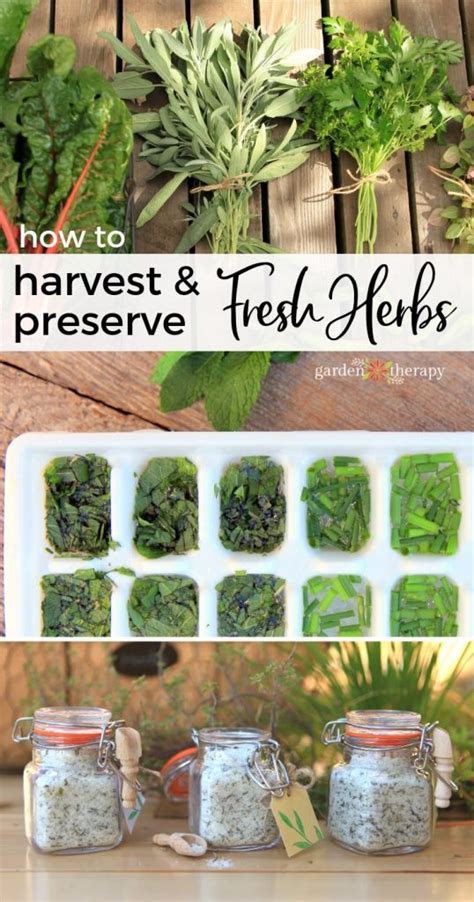
Drying Herbs and Fruits
Drying is another fantastic option. Kids can pick herbs from the garden, bundle them, and hang them to air dry. For fruits, older children can help slice apples, pears, or bananas into thin pieces (with supervision, of course), which can then be dried in a dehydrator or a low oven. The anticipation of making their own fruit leathers or crispy apple chips is a great motivator!
Jam, Jelly, and Sauce Making
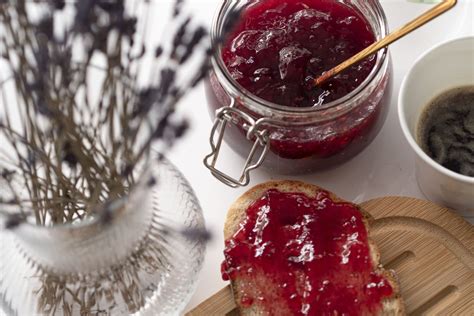
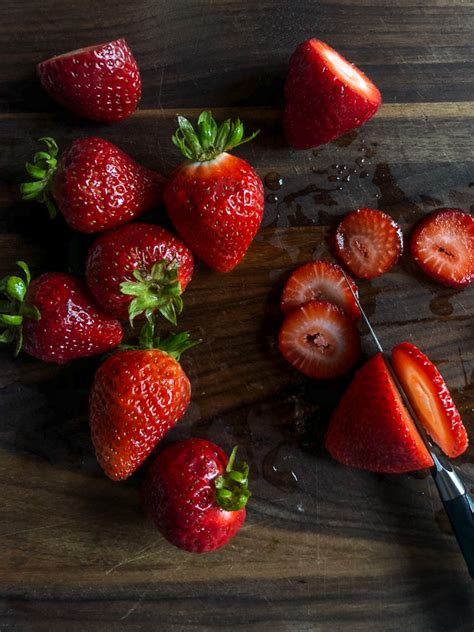
While the actual cooking process requires adult supervision due to hot ingredients, children can be instrumental in the preparation. They can wash and hull berries, pit peaches, mash fruits, or stir ingredients (from a safe distance with a long spoon). Making applesauce is particularly kid-friendly, as they can help core and chop apples before an adult takes over the cooking and mashing. The joy of seeing their efforts turn into a sweet spread is immense.
Pickling and Fermenting (Simple Versions)
For slightly older children, simple pickling or fermenting can be an exciting science experiment. Quick pickles for cucumbers or green beans are excellent. Kids can help wash and slice vegetables, then pack them into jars. They can also assist in making a simple brine and pouring it over the vegetables (again, with careful supervision). Watching the transformation of fresh produce into tangy treats can spark curiosity and a love for culinary experimentation.
Tips for a Smooth and Fun Process
- Safety First: Always prioritize safety. Supervise closely when using knives, hot stoves, or electrical appliances. Teach kids about proper hygiene, like hand washing.
- Age-Appropriate Tasks: Assign tasks suitable for their age and skill level. Toddlers can wash produce, preschoolers can stir cold ingredients, and older children can measure or slice with supervision.
- Embrace the Mess: Food preservation can be messy, especially with kids. Lay down old newspapers or a tablecloth, and remind yourself that the joy and learning are worth a little extra cleanup.
- Make it Educational: Talk about the science behind preservation, the different types of fruits and vegetables, and where the ingredients come from.
- Personalize it: Let children help choose recipes or design labels for the jars. This gives them a sense of ownership and pride in their work.

Preserving the harvest with your kids is more than just extending the life of your garden’s yield; it’s about cultivating a deeper connection to food, fostering creativity, and building invaluable life skills. These shared experiences create lasting memories and instill a sense of accomplishment in children as they see their hard work contribute to the family’s pantry. So, next time your garden overflows, invite your children into the kitchen and transform your harvest into a feast of learning and love.