Filming real food recipes: How do you manage kitchen mess BTS for an appealing view?

The Illusion of Effortless Perfection
Creating mouth-watering food videos often involves a controlled chaos behind the scenes. While viewers see a spotless countertop and perfectly plated dishes, the reality of cooking—especially for a camera—is often a flurry of ingredients, spills, and used utensils. The challenge lies in managing this inevitable kitchen mess to maintain an appealing, professional view throughout the shoot. It’s an art that combines meticulous planning, quick thinking, and a dedicated cleanup crew (even if it’s just you).
The visual appeal of your food content hinges on more than just the final dish; it’s about the entire environment. A cluttered, dirty set detracts from the food itself, signaling unprofessionalism and potentially unappetizing conditions. Here’s how pros keep things clean and camera-ready, even when making the messiest of dishes.
Pre-Production: Planning for a Tidy Set
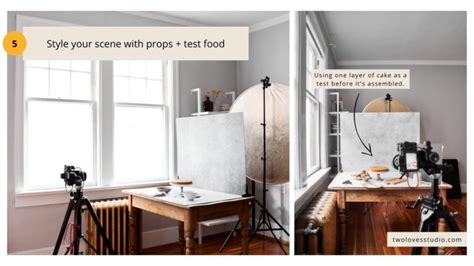
The secret to managing mess begins long before the camera starts rolling. Thorough pre-production is paramount:
- Mise en Place Mastery: Prep all ingredients well in advance. Chop vegetables, measure spices, and have liquids ready in small, clean bowls. This minimizes active chopping and measuring on camera, reducing the chances of spills and scattered ingredients. Use clear, aesthetic containers that can be easily swapped out if needed.
- Dedicated Prep Area: If possible, designate a separate area for messy prep work (e.g., cutting raw meat, flour dusting) away from your primary filming zone. Only bring what’s needed for the current shot into the frame.
- Double Up on Ingredients: Accidents happen. Have extra quantities of key ingredients ready, especially those prone to spills or difficult to clean quickly. This prevents delays if a take goes wrong due to a mess.
- Strategic Placement of Bins: Place small, discreet trash bins and compost containers just out of frame, but within easy reach. This encourages immediate disposal of scraps and packaging, preventing accumulation on surfaces.
During Filming: The Art of the Quick Clean
Once filming begins, the focus shifts to maintaining cleanliness in real-time. This often involves a choreographed dance between the chef/presenter and the crew:
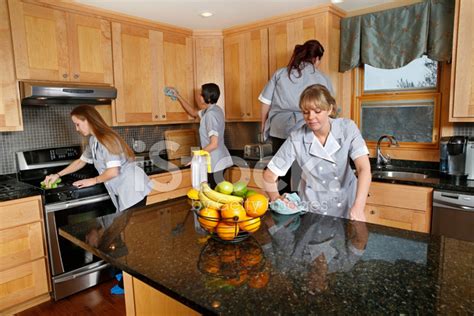
- Wipe-Downs Between Shots: After each key action or segment, pause for a quick wipe-down. Damp cloths, kitchen towels, and paper towels are your best friends. Wipe away drips, flour dust, and stray crumbs before moving to the next step.
- Invisible Hands: A dedicated production assistant or even the director can step in between takes to swiftly remove dirty utensils, empty bowls, or clean up minor spills just out of the camera’s view. This is crucial for maintaining flow.
- Stunt Doubles for Ingredients: Sometimes, you might use a ‘stunt double’ for a messy ingredient. For instance, dry, clean ingredients for an initial wide shot, then swap in the actual messy version for a close-up action shot.
- Clean Surfaces are Key: Always ensure your countertops and cutting boards are pristine before introducing new ingredients or showing a finished step. A quick spray of food-safe cleaner and a wipe can make all the difference.
Essential Cleanup Kit for Every Shoot
Having a well-stocked cleanup kit on hand is non-negotiable. This kit should be readily accessible but kept out of sight during filming.
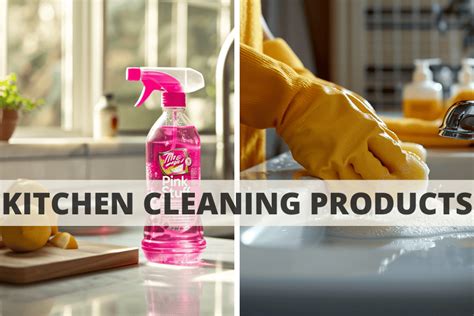
- Multiple Microfiber Cloths: For quick wipes and polishing surfaces.
- Paper Towels: For absorbing larger spills or messes.
- Small Spray Bottle with Water/Food-Safe Cleaner: For easy spot cleaning.
- Bench Scraper/Spatula: Excellent for gathering crumbs or scraped-off bits.
- Small Dustpan and Brush: For flour, sugar, or other dry ingredient spills.
- Designated Trash/Compost Bins: Small, portable ones are ideal.
- Wet Wipes: For quick hand or small surface cleaning.
Remember that every second counts on set. The faster and more efficiently you can clean, the smoother your production will run, and the more focused your presenter can remain on the cooking rather than the cleanup.
Post-Shoot Cleanup Considerations
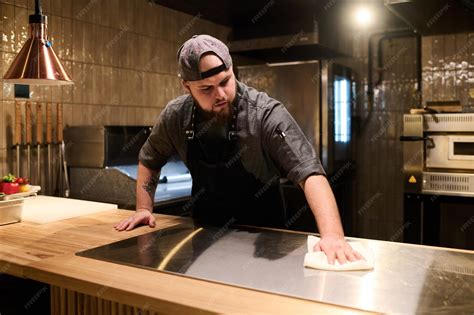
While the focus is on BTS during filming, a good post-shoot routine ensures your kitchen or set remains in top condition for future shoots. This includes a thorough deep clean, washing all utensils and dishes, and sanitizing all surfaces. A clean environment not only looks good on camera but also adheres to proper food safety standards, which is always a bonus for food content creators.
Conclusion
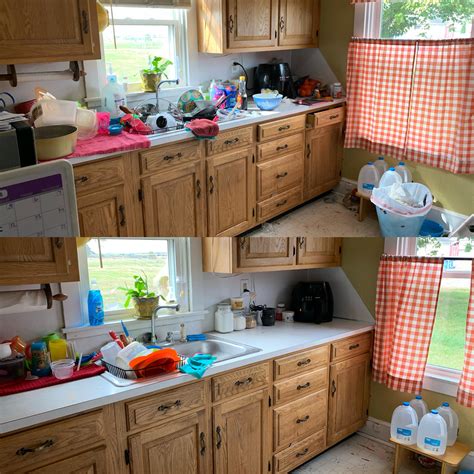
Managing kitchen mess behind the scenes of a food recipe shoot is an ongoing process that demands vigilance and teamwork. By integrating strategic planning, real-time cleanup techniques, and an essential toolkit, you can ensure that your on-screen kitchen always looks appealing and professional, letting your delicious creations truly shine without the distraction of clutter. It’s the unseen effort that makes all the difference in delivering a polished, high-quality viewer experience.