

Foolproof country kitchen secrets for tender, flavorful pot roast every time?
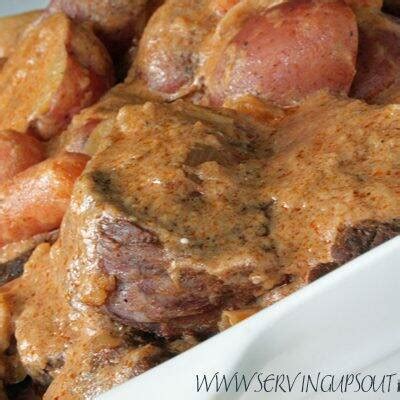
A perfectly cooked pot roast is more than just a meal; it’s a culinary hug, a centerpiece of comfort food that evokes warmth, family, and tradition. Yet, many home cooks struggle to achieve that melt-in-your-mouth tenderness and deep, rich flavor. Fear not! The secrets lie in time-honored country kitchen techniques that are surprisingly simple to master. Let’s dive into the tried-and-true methods that guarantee a show-stopping pot roast every single time.
Choosing Your Cut Wisely
The foundation of any great pot roast begins with the right cut of meat. Forget lean cuts; you need something with good marbling and connective tissue that breaks down into gelatin during slow cooking. Chuck roast (from the shoulder) is king for a reason – it’s flavorful, affordable, and becomes incredibly tender. Other excellent choices include brisket or bottom round, though chuck remains the gold standard for its forgiving nature.

The Essential Sear: Building Flavor Layers
Never skip the searing step! This isn’t just about color; it’s about developing a deep, caramelized crust on the meat, locking in juices and creating a foundational layer of flavor known as the Maillard reaction. Pat your roast dry thoroughly before seasoning liberally with salt and pepper. Heat a heavy-bottomed pot or Dutch oven over medium-high heat with a little oil until shimmering. Sear the roast on all sides until deeply browned. Don’t rush this process – it’s crucial for flavor development.
Aromatic Foundation: The Holy Trinity and Beyond
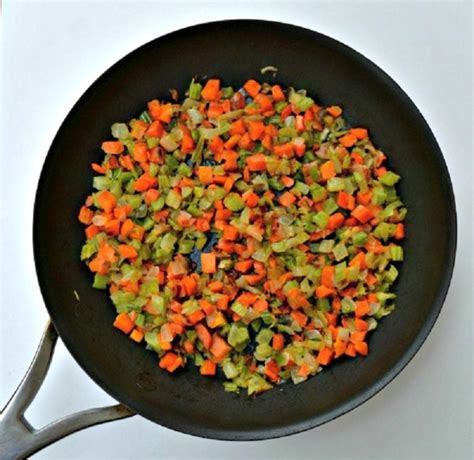
Once your meat is seared and set aside, it’s time to build the aromatic base. Sautéing mirepoix (a classic French mix of diced carrots, celery, and onions) in the same pot adds sweetness and depth. Don’t forget garlic; a few cloves, minced, will release their fragrant oils. Some country cooks also add a sprig of fresh thyme or rosemary at this stage, allowing their essence to infuse into the vegetables.
The Perfect Braising Liquid
Deglaze the pot with a splash of red wine, beef broth, or even a good quality stout. Scrape up all those flavorful browned bits from the bottom of the pot – that’s pure gold! Then, add enough liquid to come about halfway up the sides of your roast. Don’t drown it; you want to braise, not boil. A tablespoon or two of tomato paste can also add a wonderful umami depth and richness to the braising liquid.
Low and Slow: The Secret to Tenderness
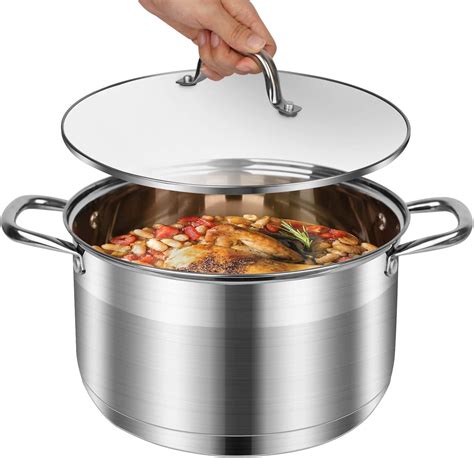
This is where the magic happens. A pot roast demands patience. Once your liquid and aromatics are in place, return the seared roast to the pot. Cover tightly and cook at a low temperature for an extended period. For an oven, aim for 300-325°F (150-160°C) for 3-4 hours, or until the meat is fork-tender. If using a slow cooker, cook on low for 6-8 hours. The low heat and moist environment gently break down tough connective tissues, resulting in that desired fall-apart texture.
The Vegetable Ensemble: Timing is Everything
To prevent your vegetables from turning to mush, add harder vegetables like potatoes, larger chunks of carrots, and pearl onions about 1-1.5 hours before the end of the cooking time in the oven, or 2-3 hours in a slow cooker. This ensures they cook through, absorbing the rich flavors, but still retain some texture. Softer vegetables like peas or green beans can be stirred in right at the end.
Resting and Gravy: The Grand Finale
Once your pot roast is cooked to perfection, remove it from the pot and let it rest on a cutting board, loosely tented with foil, for at least 15-20 minutes. This allows the juices to redistribute, ensuring a moist and flavorful slice. While the meat rests, skim any excess fat from the braising liquid. You can thicken the remaining liquid into a glorious gravy by making a simple roux (equal parts butter and flour) and whisking it into the hot liquid until it reaches your desired consistency. Strain for a silky-smooth gravy, or leave it chunky for a rustic feel.

By following these country kitchen secrets, you’ll transform a simple cut of beef into a culinary masterpiece. The key is understanding the ‘why’ behind each step – the sear for flavor, the slow braise for tenderness, and the careful timing for vegetables. Gather your ingredients, clear your schedule, and prepare to impress with a pot roast that’s truly tender, flavorful, and unforgettable every single time.