




For ‘real food’ blogs, what BTS content – like garden mishaps or kitchen fails – deeply resonates?
The polished facade of many food blogs, with their perfectly styled dishes and pristine kitchens, can sometimes feel a little out of reach. In a world increasingly seeking genuine connection, ‘real food’ blogs – those dedicated to whole ingredients, home cooking, and often, homegrown produce – have a unique opportunity to stand out by embracing imperfection. It’s not just about showcasing delicious outcomes; it’s about sharing the messy, often humorous, journey of getting there. This is where Behind The Scenes (BTS) content truly shines, transforming potential readers into loyal community members.
Why Authenticity Matters in ‘Real Food’ Spaces
Unlike highly commercialized food content, ‘real food’ blogs often champion sustainability, conscious eating, and the joy of creating from scratch. This inherently values process over just product. When bloggers pull back the curtain to reveal their struggles, successes, and especially their failures, they tap into a powerful vein of authenticity. Readers don’t just want recipes; they want connection, relatability, and proof that even the experts have their off days. This vulnerability builds trust and fosters a loyal following that feels like a community rather than just an audience.
Garden Mishaps: When Nature Doesn’t Cooperate
For many ‘real food’ enthusiasts, the journey begins long before the kitchen – in the garden. And anyone who’s ever tilled a patch of soil knows that gardening is a constant battle against pests, unpredictable weather, and the occasional mysterious plant death. Sharing stories of an unexpected blight wiping out a tomato crop, a rabbit feast on newly sprouted greens, or a forgotten watering session leading to wilting woes, resonates deeply. It’s a reminder that even the most dedicated gardeners face setbacks, offering solidarity and often inspiring shared advice from the community.

Kitchen Fails: The Messy Side of Culinary Creativity
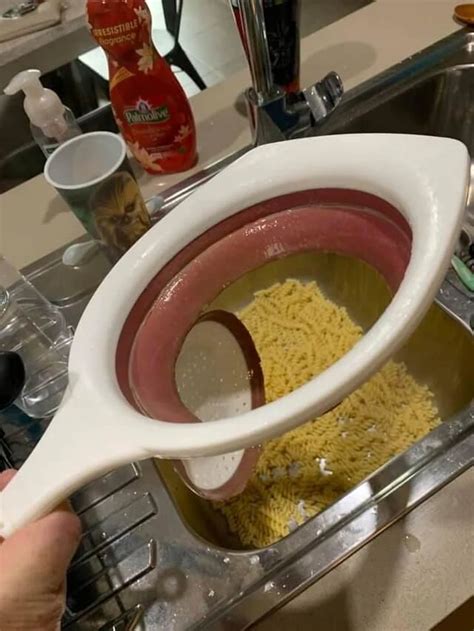
Beyond the garden, the kitchen offers its own unique brand of chaos. A perfectly risen sourdough loaf one day can turn into a dense brick the next. A beautifully envisioned cake might collapse, or a new recipe experiment could yield an unappetizing goo. These kitchen fails – burnt sauces, forgotten ingredients, catastrophic spills, or even just utterly unphotogenic dishes – are gold for BTS content. They provide humor, demonstrate resilience, and reassure readers that they’re not alone in their culinary mishaps. Showing how you salvaged a dish, or even just laughing off a complete flop, makes you incredibly human and approachable.

The Power of the “Before” and “During”
While the “after” shot of a gorgeous meal is essential, the “before” and “during” moments of the cooking process are where the magic of BTS lies. A candid shot of a flour-dusted kitchen after a baking spree, a hand-written recipe covered in splatters, or even a short video clip of a tricky technique gone awry, can be far more engaging than a static final image. These glimpses into the process demystify cooking, making it seem less intimidating and more achievable for the average home cook. They show the effort, the learning curve, and the passion behind the plate.
Fostering Community Through Shared Vulnerability
Ultimately, the deepest resonance comes from the sense of community that BTS content builds. When a blogger shares a garden mishap, readers often jump into the comments with their own experiences or offer solutions. When a kitchen fail is posted, it sparks conversations about common pitfalls and shared culinary adventures. This interactive element transforms a one-way blog into a dynamic, supportive space where readers feel heard, understood, and truly connected to the creator. It’s about building a tribe around the shared passion for ‘real food’, acknowledging that the path isn’t always smooth, but it’s always worth it.

Practical Tips for Incorporating BTS Content
To effectively integrate BTS, consider showcasing a mix of small, everyday blunders alongside more significant mishaps. Don’t be afraid to use humor; self-deprecating jokes can be highly endearing. Storytelling is key – frame your fails as learning experiences or funny anecdotes. And remember, the goal isn’t to look incompetent, but to be relatable and authentic. Balance is important; your audience still wants delicious recipes and helpful tips, but injecting these moments of imperfection will only enrich their experience and deepen their loyalty. Embrace the unexpected, celebrate the journey, and watch your community flourish.