


Frugal DIY insulation for drafty old farmhouse windows?

Taming the Draft: Budget DIY Solutions for Historic Windows
Old farmhouses exude charm and character, but their original windows often come with an unwelcome guest: drafts. These air leaks can significantly drive up heating bills and make indoor living uncomfortable during colder months. While replacing windows can be an expensive undertaking, there are numerous frugal and effective DIY methods to insulate your drafty farmhouse windows, preserving their historic appeal while boosting your home’s energy efficiency.
The key to successful DIY insulation lies in identifying the sources of drafts and applying targeted, cost-effective solutions. You don’t need to be a seasoned carpenter to make a real difference.
The First Line of Defense: Caulk and Weatherstripping
Often, the most significant drafts come from cracks and gaps around the window frame. These are the easiest and cheapest to fix:
- Caulking: Inspect the exterior perimeter of your window frames where they meet the siding or trim. Look for deteriorated caulk or visible gaps. A tube of exterior-grade caulk and a caulk gun are inexpensive investments. Clean the area thoroughly, remove old, loose caulk, and apply a fresh bead. For interior gaps between the frame and the wall, use an interior-grade acrylic latex caulk.
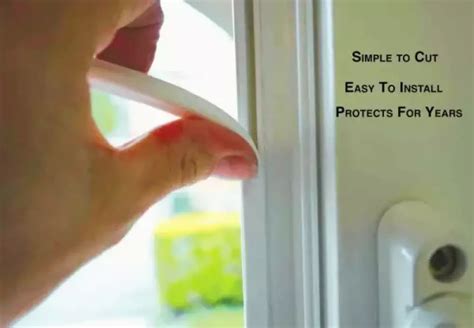
- Weatherstripping: This flexible material seals gaps between the moving parts of the window – where the sash meets the frame or where the two sashes overlap. Options include self-adhesive foam strips, V-strip weatherstripping, or spring metal weatherstripping. Measure carefully, clean the surfaces, and apply according to manufacturer instructions. This creates a much tighter seal when the window is closed.
Temporary Barriers: Film, Snakes, and Inserts
For windows with more significant air leakage or a single pane, temporary solutions can provide excellent insulation:
- Window Insulation Film Kits: These kits are widely available and incredibly effective. They involve applying a clear plastic film to the inside of the window frame using double-sided tape, then shrinking it taut with a hairdryer. The resulting air pocket between the film and the glass acts as an insulating barrier, mimicking double-pane windows. They are virtually invisible and easily removable in spring.
- Draft Snakes/Stoppers: A simple fabric tube filled with rice, sand, or dried beans can effectively block drafts coming from the bottom of a window sash. You can easily sew your own from scrap fabric or purchase decorative ones. Place them snugly along the bottom sill of the window.
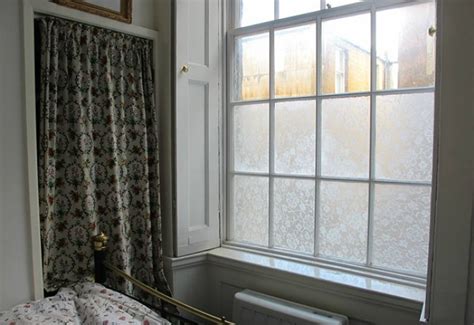
DIY Window Inserts for Enhanced Performance
If you’re willing to invest a little more time and effort, custom-built window inserts can offer superior insulation. These are essentially removable inner windows that fit snugly into your existing window frame.
- Storm Window Inserts: You can create simple inserts using clear acrylic or polycarbonate sheets cut to fit the inside of your window frame. Frame them with thin wood strips or flexible vinyl channels, and add foam weatherstripping around the edges to create a tight seal when pressed into place. These can be removed seasonally.
- Bubble Wrap Insulation: For a very quick and cheap temporary fix, cut bubble wrap to the size of your window pane. Lightly mist the window glass with water, then press the bubble wrap (bubbles facing the glass) onto the wet surface. It will stick due to static and moisture, providing an insulating air pocket. This is best for less-used windows as it obstructs the view.

The Power of Soft Furnishings
Don’t underestimate the insulating power of textiles:
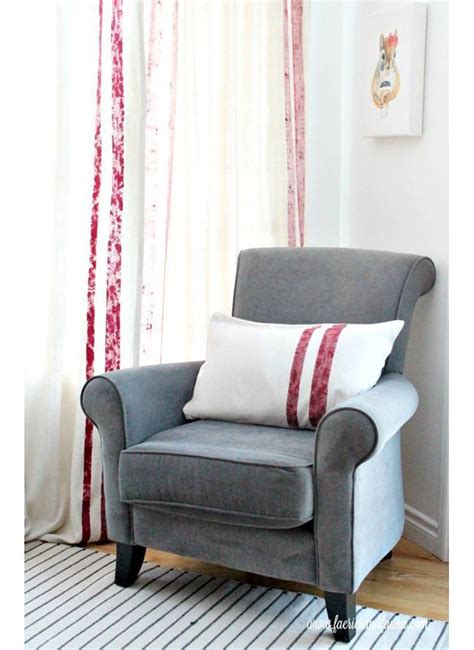
- Heavy, Insulated Curtains: Investing in thick, thermal-lined curtains can make a surprising difference. Ensure they are long enough to reach the windowsill or floor and wide enough to cover the entire window frame, creating a seal against the wall. Close them at night to trap heat inside.
- Cellular Shades: These shades have a honeycomb structure that traps air, providing an extra layer of insulation directly against the window glass. They come in various opacities and can be combined with curtains for maximum effect.
By combining several of these frugal DIY techniques, you can significantly reduce drafts, improve your home’s comfort, and lower energy bills without sacrificing the beloved character of your old farmhouse windows. Start with the simplest solutions and work your way up for maximum impact on a minimal budget.