



Frugal DIY shelves for pantry canning jar storage?
Unlock Your Pantry’s Potential with Frugal DIY Shelves
For home canners, a well-organized pantry isn’t just a luxury; it’s a necessity. Storing dozens, or even hundreds, of heavy canning jars requires shelving that is not only robust but also maximizes every inch of space. While commercial shelving can be expensive, building your own DIY shelves offers a cost-effective solution that you can customize to your exact needs, ensuring durability for years of food preservation.
The key to successful canning jar storage lies in strength and smart design. Unlike lightweight pantry items, glass jars filled with preserved goods exert significant downward pressure. This guide will walk you through planning, material selection, and construction techniques to create strong, budget-friendly shelving that will stand the test of time and the weight of your harvest.

Why Frugal DIY Shelves Are Essential for Canning Jars
Strength and Durability
Pre-fabricated wire or particle board shelves often buckle under the weight of multiple canning jars. DIY shelves, especially those built from solid wood or plywood, can be designed to support immense loads, providing peace of mind that your hard work won’t end up in a messy, broken heap.
Custom Fit and Space Optimization
Every pantry is unique. Building your own shelves allows you to utilize awkward nooks, tailor shelf heights for various jar sizes (pints, quarts, half-gallons), and go floor-to-ceiling, transforming wasted vertical space into valuable storage. This custom fit is nearly impossible to achieve with standard retail units.
Cost Savings
With lumber prices fluctuating, building DIY shelves can still often be significantly cheaper than buying comparable heavy-duty shelving. By choosing economical materials and doing the labor yourself, you can dramatically cut costs, allowing you to invest more in your canning supplies.
Planning Your Pantry Shelving Project
Measure Everything
- Width: Measure the wall space available. Consider where studs are located for wall-mounted designs.
- Height: Measure from floor to ceiling or to your desired top shelf height.
- Depth: Canning jars aren’t very deep. Aim for a shelf depth of 10-12 inches for quarts, allowing for a bit of overhang or extra space. Deeper shelves can make items harder to reach in the back.
Estimate Your Load
Consider how many jars you plan to store per shelf. A quart jar weighs roughly 2-3 pounds when full. A 3-foot shelf holding 10-12 quart jars across could easily carry 20-36 pounds. Design with a generous safety margin.
Sketch Your Design
Draw a simple diagram of your pantry space and how you envision the shelves. Include desired shelf heights to accommodate different jar sizes. Think about access – will you need a step stool for upper shelves?
Frugal Material Choices for Sturdy Shelves
Structural Elements (Frames/Supports)
- 2×4 or 2×3 Lumber: These are ideal for framing and vertical supports, offering excellent strength at a reasonable price. You can often find ‘stud’ grade lumber which is perfectly sufficient and cheaper than ‘select’ grade.
- Reclaimed Pallet Wood (Use with Caution): While free, ensure pallets are heat-treated (HT stamp) and not chemically treated (MB stamp). Disassembling pallets can be labor-intensive, and the wood quality varies. Great for rustic aesthetics, but verify strength for heavy loads.
Shelf Surfaces
- CDX Plywood: This is a construction-grade plywood (CDX refers to C-grade face, D-grade back, X for exterior glue line, though it’s often used indoors). It’s strong, relatively inexpensive, and readily available in various thicknesses (3/4 inch is recommended for heavy loads).
- OSB (Oriented Strand Board): A step down in appearance and slightly less rigid than plywood, but very cost-effective. Use 3/4 inch thickness for shelves and consider a protective coating if moisture is a concern.

Popular DIY Shelf Designs for Canning Jars
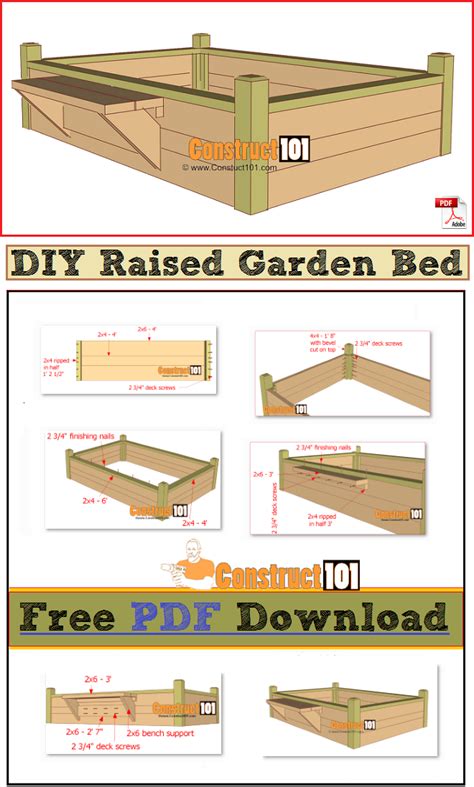
1. Cleat-Supported Wall Shelves (Strongest Option)
This design uses horizontal wood cleats (2x2s or 1x3s) screwed directly into wall studs, with plywood or OSB laid on top. This is incredibly strong as the wall carries most of the load. Vertical supports can be added to the front edge of very long shelves for extra rigidity.
- Pros: Maximum strength, uses less floor space, ideal for long runs.
- Cons: Requires finding and securing into wall studs.
2. Freestanding Ladder-Style Shelves
This involves building two independent ladder-like frames (vertical uprights with horizontal rungs) and then attaching shelf surfaces between them. This is good if you can’t or don’t want to attach to walls.
- Pros: Portable, can be built outside the pantry and moved in.
- Cons: Requires more lumber for vertical supports, may need to be secured to a wall to prevent tipping.

Essential Tools and Construction Tips
Tools You’ll Need
- Measuring Tape and Pencil: For accurate measurements and marking.
- Saw: A hand saw, circular saw, or miter saw for cutting lumber.
- Drill/Driver: For pre-drilling holes and driving screws.
- Level: Crucial for ensuring straight, even shelves.
- Stud Finder: Absolutely necessary for wall-mounted shelves.
- Safety Gear: Eye protection, gloves.
Construction Tips for Maximum Strength
- Locate Studs: Always attach wall-mounted shelves into studs. Use a stud finder and confirm with a small nail.
- Use Appropriate Fasteners: For connecting cleats to studs, use 2.5-3 inch wood screws or lag screws (for very heavy loads). For attaching shelf surfaces, use 1.5-2 inch screws.
- Pre-Drill: Always pre-drill holes to prevent wood splitting, especially near ends.
- Reinforce Long Spans: For shelves longer than 3-4 feet, add a vertical support post at the front or a stiffening rail underneath the front edge to prevent sagging.
- Seal the Wood: For pantry environments, consider sealing the wood with a food-safe sealant, paint, or polyurethane to protect against moisture and make cleaning easier.
Conclusion
Building frugal DIY shelves for your canning jar pantry storage is a rewarding project that combines practicality with significant cost savings. By carefully planning your design, selecting strong yet affordable materials, and employing sound construction techniques, you can create a storage system that not only neatly organizes your harvest but also stands as a testament to your DIY prowess. Get ready to reclaim your pantry and enjoy easy access to all your delicious home-preserved goods!