


Garden abundance: Best real food recipes to preserve seasonal harvest?

Embracing Garden Abundance: Real Food Preservation for Every Season
There’s an undeniable joy that comes with a thriving garden, bursting with fresh, vibrant produce. The challenge, however, often lies in harnessing that abundance before it fades. Thankfully, a wealth of ‘real food’ preservation techniques allows us to capture the peak flavors and nutritional value of seasonal harvests, transforming them into delicious staples for the pantry, freezer, and fridge. Forget artificial ingredients and embrace time-honored methods to savor your garden’s bounty all year long.
The Art of Canning: Sweet & Savory Treasures in a Jar
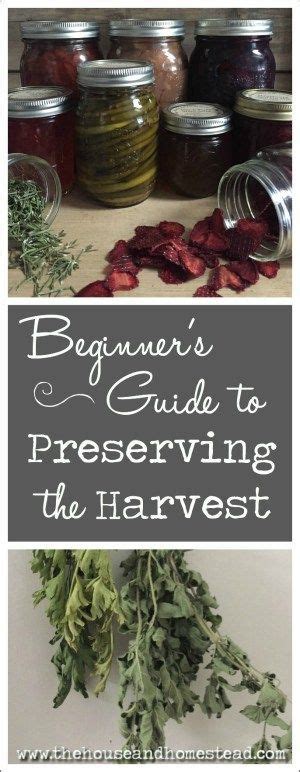
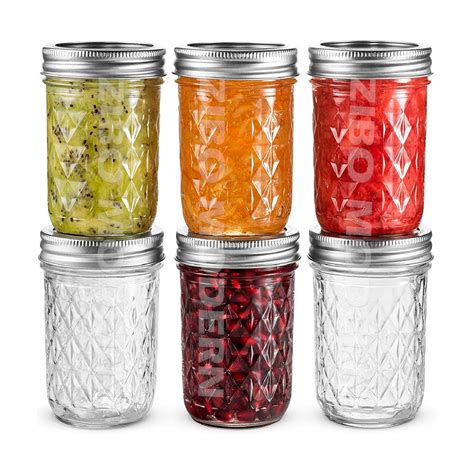
Canning is perhaps the most iconic method of food preservation, transforming perishable produce into shelf-stable delights. Water bath canning is ideal for high-acid foods like fruits, jams, jellies, pickles, and tomato products with added acid. It’s a rewarding process that yields colorful jars of goodness.
For low-acid vegetables, beans, meats, and seafood, pressure canning is essential to ensure safety by reaching temperatures high enough to destroy harmful bacteria. While it requires specialized equipment, it opens up a world of possibilities for preserving staple vegetables like green beans, corn, and even homemade stocks.
Recipes to Try:
- Classic Berry Jam: Use any ripe berries – strawberries, raspberries, blueberries – with a touch of sugar and lemon juice for a vibrant, spreadable treat.
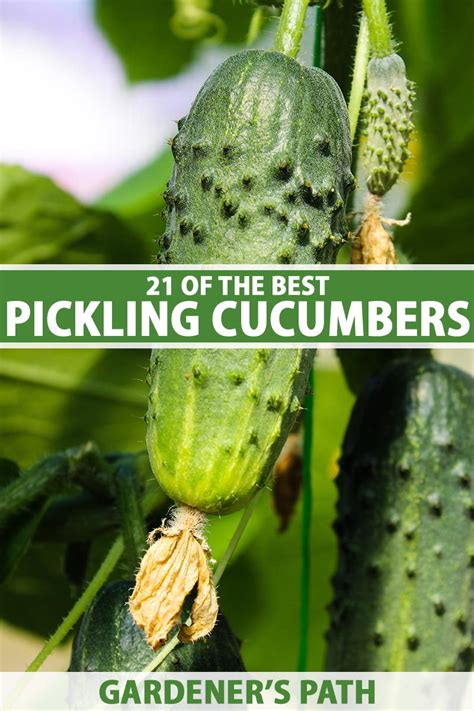
- Zesty Dill Pickles: Crisp cucumbers, fresh dill, garlic, and a tangy vinegar brine create a pickle perfect for sandwiches or snacking.
- Simple Tomato Sauce: Roast or boil garden tomatoes, then simmer with herbs for a versatile sauce base that can be used in countless dishes.
Freezing: The Quickest Path to Preserved Goodness
Freezing is arguably the easiest and most accessible preservation method, requiring minimal equipment beyond a freezer and some airtight containers or bags. It’s perfect for capturing the fresh taste and texture of many fruits and vegetables, often with little to no added ingredients.
Most vegetables benefit from blanching (briefly boiling then chilling) before freezing to halt enzyme activity and preserve color, flavor, and nutrients. Fruits, on the other hand, can often be frozen whole or sliced, sometimes with a light sugar syrup or citrus juice to prevent browning.
Recipes to Try:
- Frozen Blanched Green Beans: Blanch beans for 2-3 minutes, plunge into ice water, drain well, then freeze on a tray before transferring to bags.
- Berry Smoothie Packs: Combine mixed berries, spinach, and perhaps a banana in individual freezer bags for quick smoothie prep.
- Pesto Cubes: Blend fresh basil, garlic, pine nuts, Parmesan, and olive oil, then freeze in ice cube trays for convenient portions.

Drying and Dehydration: Concentrating Flavors and Nutrients
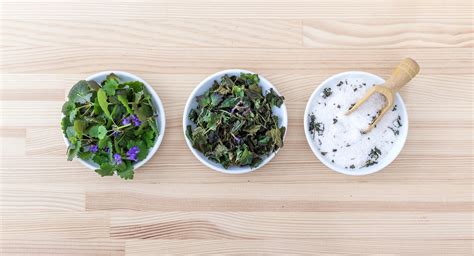
Drying is an ancient preservation technique that removes moisture, inhibiting spoilage and concentrating flavors. It’s a wonderful way to store herbs, fruits, and even some vegetables, reducing their bulk and creating intensely flavored ingredients.
A food dehydrator offers the most consistent results, but ovens on low settings or even direct sunlight (for certain items in appropriate climates) can also be used. Dried foods are lightweight and shelf-stable, making them excellent for pantry storage and on-the-go snacks.
Recipes to Try:
- Homemade Herb Blends: Dry individual herbs like oregano, thyme, rosemary, and basil, then crumble and mix to create custom seasoning blends.
- Fruit Leathers: Puree ripe fruit (berries, apples, peaches) and spread thinly on dehydrator sheets for a healthy, chewy snack.
- Dried Tomato Flakes: Slice tomatoes thinly, dehydrate until crispy, then crush into flakes for a concentrated umami booster.
Fermentation: Culturing for Health and Flavor
Fermentation is a living preservation method that uses beneficial bacteria to transform food, enhancing its flavor, nutrient content, and digestibility. It’s a fantastic way to preserve vegetables while adding probiotics to your diet.
From tangy sauerkraut to spicy kimchi, fermented foods offer a unique depth of flavor that can’t be achieved through other methods. The process is surprisingly simple, often requiring just vegetables, salt, and time, though specialized crocks or airlocks can be helpful.
Recipes to Try:
- Classic Sauerkraut: Finely shred cabbage, massage with salt, pack tightly into a jar, and allow it to ferment for a few weeks.
- Kimchi (Basic): Combine napa cabbage with a paste of gochugaru, garlic, ginger, and other seasonings for a spicy, umami-rich condiment.
- Lacto-Fermented Carrots: Cut carrots into sticks, pack with garlic and dill into a jar, cover with a saltwater brine, and ferment until tangy.
Beyond the Basics: Get Creative with Your Harvest
Once you master the fundamental techniques, don’t be afraid to experiment. Combine methods, create unique condiments, or adapt family recipes. Make sun-dried tomato and herb oil, hot sauce from fermented peppers, or fruit vinegar from overripe fruit. Each method offers a gateway to reducing food waste, maximizing the yield of your garden, and enjoying truly ‘real food’ with deep, satisfying flavors.
Preserving your garden’s bounty is more than just a chore; it’s a creative expression, a sustainable practice, and a delicious journey back to traditional foodways. With a little effort, your kitchen can become a hub of seasonal abundance, providing healthy, flavorful meals all year long.