




Hens stopped laying. What natural diet tips boost backyard egg production?
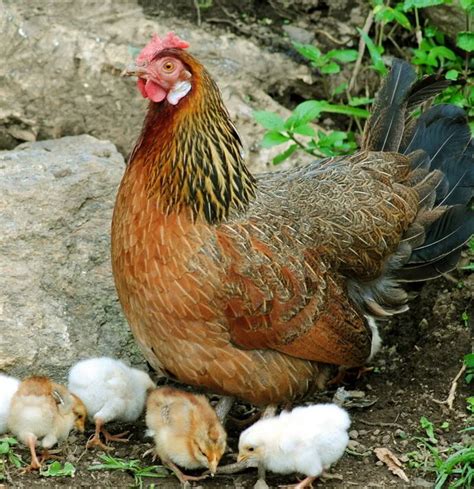
When your backyard hens suddenly cease their daily egg-laying routine, it can be perplexing and disappointing. While factors like age, molting, and stress play a role, a significant culprit is often an inadequate diet. The good news is that with a few natural, thoughtful dietary adjustments, you can often coax your feathered friends back into productive laying. Let’s explore how optimizing their nutrition can lead to a consistent supply of fresh eggs.
Decoding the Drop in Egg Production
Before diving into diet, it’s helpful to understand the common non-dietary reasons hens might stop laying. Age is a primary factor; most hens peak in their first two years and then production gradually declines. Molting, the annual process of replacing old feathers, requires a lot of energy and often halts laying. Stress from predators, changes in environment, illness, or even inadequate light exposure can also be culprits. However, an unbalanced or deficient diet significantly impacts a hen’s ability to produce eggs consistently, as egg formation demands considerable nutritional resources.

The Essential Building Blocks: Protein and Calcium
Two nutrients stand out as non-negotiable for robust egg production: protein and calcium. Ensuring your hens receive enough of these in their natural diet is paramount.
Protein: Fuel for Egg Formation
Eggs are packed with protein, so it’s no surprise that hens need ample protein in their own diet to produce them. Laying hens require a higher protein intake than non-laying birds, typically around 16-18%. Without enough, their bodies simply can’t form the egg’s albumen (the white).
- Natural Sources: Offer mealworms (live or dried), black soldier fly larvae, other insects found during free-ranging, and even cooked scrambled eggs (never raw) as a protein boost. Legumes like lentils (cooked and mashed) and sunflower seeds (in moderation) also contribute.
Calcium: The Shell’s Secret Weapon
A strong eggshell is almost entirely made of calcium carbonate. If a hen doesn’t get enough calcium, she’ll either lay soft-shelled eggs, thin-shelled eggs, or stop laying altogether as her body prioritizes its own bone health over egg production.
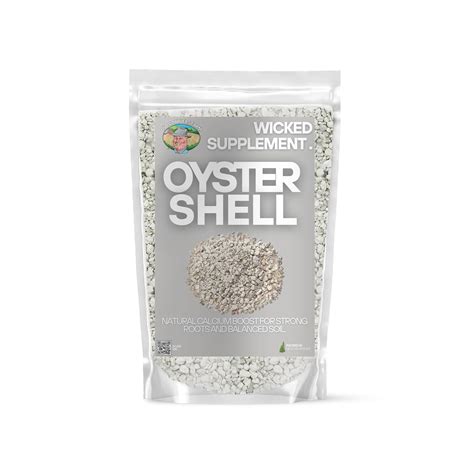
- Natural Sources: The most effective natural calcium supplement is oyster shell, available at feed stores. Provide it in a separate feeder so hens can self-regulate their intake. Crushed, baked, and cooled eggshells from your own kitchen can also be offered, but they may not be sufficient as the sole source.
The Power of Greens and Foraging
Beyond the essential protein and calcium, a diverse diet rich in vitamins and minerals is crucial. This is where greens and foraging come into play.
Allowing your hens to free-range provides them with access to a smorgasbord of natural goodness: insects, worms, seeds, and fresh greens. This natural foraging behavior is incredibly beneficial for their overall health and boosts their nutrient intake.
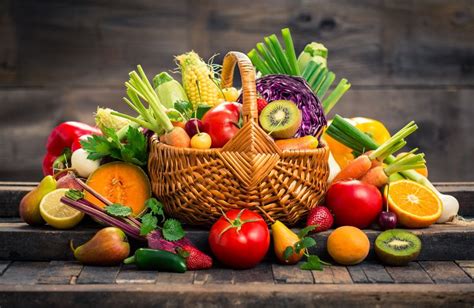
- Garden Greens: Supplement their diet with kitchen scraps like dark leafy greens (kale, spinach, lettuce – in moderation for spinach due to oxalates), broccoli florets, beet greens, and fruit scraps (apples, berries, melon – again, in moderation and no avocado pits/skins or citrus in large quantities). Avoid feeding anything moldy or rotten.
- Sprouted Grains: Sprouting grains like barley or wheat dramatically increases their nutritional value, making them a fantastic natural supplement rich in enzymes, vitamins, and minerals.

Hydration and Herbal Helpers
Often overlooked, fresh water and certain herbs can also play a vital role in keeping your hens healthy and laying.
Water: The Lifeblood of Layers
An egg is roughly 75% water, and a hen’s body is mostly water. Dehydration, even mild, can quickly lead to a drop in egg production. Always ensure your hens have access to clean, fresh water, especially during hot weather. Consider multiple water sources if you have a large flock.
Herbal Boosts for Overall Health
Certain herbs can support a hen’s health and, by extension, her laying ability. Herbs like oregano have natural antibiotic properties, while parsley is rich in vitamins K, C, and A, and is known to stimulate egg laying. Marigold petals can even enhance yolk color.
- How to Offer: You can chop these herbs and mix them into their feed or hang fresh bunches in their coop for them to peck at.
Smart Supplements and Fermented Feeds
Beyond the daily diet, a few natural supplements can give your hens an extra edge.
- Apple Cider Vinegar (ACV): Adding a small amount of raw, unfiltered ACV (with the ‘mother’) to their water can improve gut health, which aids in nutrient absorption. Use about 1 tablespoon per gallon of water a few times a week.
- Garlic: Known for its immune-boosting properties, finely chopped garlic can be mixed into feed.
- Fermented Feed: Soaking and fermenting your chicken feed makes nutrients more bioavailable, improving digestion and absorption. It also introduces beneficial bacteria to their gut.

Bringing It All Together for Bountiful Baskets
Boosting your hens’ egg production naturally is a holistic endeavor. It starts with a high-quality base feed, supplemented generously with natural protein sources, readily available calcium, a diverse array of fresh greens and foraged treats, and always, an abundance of clean water. By paying attention to these natural dietary components, you’re not only likely to see more eggs in your baskets but also healthier, happier hens thriving in your backyard.