




Homemade compost system for kitchen scraps & garden health?

Embracing a homemade compost system is one of the most impactful steps you can take for both your garden’s vitality and the environment. Far from being a complicated chore, composting is a simple, natural process that recycles organic waste into a valuable resource, enriching your soil and reducing landfill waste. This guide will walk you through setting up and maintaining your own system, turning everyday kitchen scraps and garden debris into ‘black gold’ for your plants.
The Unsung Benefits of Composting
Before diving into the ‘how-to’, understanding the myriad benefits of composting can motivate your efforts:
- Soil Enrichment: Compost improves soil structure, aeration, and water retention, providing a steady supply of nutrients to plants.
- Waste Reduction: Divert food scraps and yard waste from landfills, significantly reducing your household’s contribution to waste.
- Chemical-Free Gardening: Reduce the need for synthetic fertilizers and pesticides by naturally boosting soil fertility and plant resilience.
- Cost Savings: Produce your own high-quality soil amendment, saving money on store-bought soil conditioners and fertilizers.
- Reduced Carbon Footprint: Less waste in landfills means less methane gas production, a potent greenhouse gas.

What You Can (and Can’t) Compost
Knowing what materials to include and exclude is crucial for a successful, odor-free compost pile.
Compostable Materials (Greens & Browns)
- Greens (Nitrogen-rich): Fruit and vegetable scraps, coffee grounds and filters, tea bags, eggshells, fresh grass clippings, green plant trimmings.
- Browns (Carbon-rich): Dry leaves, shredded newspaper and cardboard, straw, wood chips, sawdust (untreated wood), dry plant stalks.
Materials to Avoid
- Meat, Fish, Bones, Dairy Products, and Oily Foods: Attract pests, create odors, and can slow decomposition.
- Diseased Plants: Can spread pathogens to your garden.
- Pet Waste: May contain harmful parasites and bacteria.
- Chemically Treated Wood or Lumber: Can introduce harmful chemicals into your compost.
- Weeds with Seeds: Unless your compost gets very hot, weed seeds can survive and sprout in your garden.

Choosing Your Composting Method
There are several ways to compost at home, each suited to different spaces and lifestyles.
1. Simple Open Pile or Bin Composting
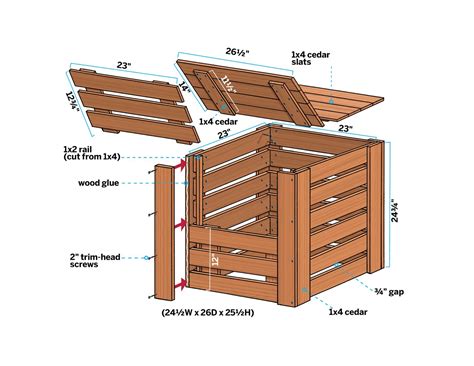
This is the most common method, involving creating a heap or using a simple structure. You can build a bin from wooden pallets, wire mesh, or even repurpose a plastic trash can by drilling holes for aeration.
- Pros: Inexpensive, customizable, suitable for larger quantities of waste.
- Cons: Can take longer, may attract pests if not managed well.
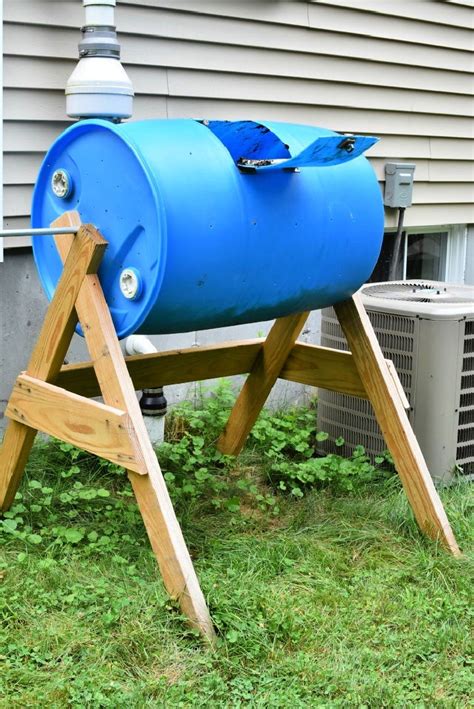
2. Tumbler Composter
A sealed barrel on a stand that you can rotate. This method speeds up decomposition by allowing easy turning and aeration.
- Pros: Faster decomposition, less manual labor, contained, less attractive to pests.
- Cons: Higher initial cost, limited capacity.
3. Vermicomposting (Worm Composting)
Using special composting worms (red wigglers) to break down food scraps in a dedicated bin. Ideal for smaller spaces, even indoors.
- Pros: Excellent for kitchen scraps, produces rich worm castings, can be done indoors.
- Cons: Requires specific worms, sensitive to temperature and moisture, can’t handle all types of waste.

Building Your DIY Compost Bin (Simple Pallet Method)
A basic three-sided bin made from recycled pallets is an excellent starting point for garden and kitchen waste.
Materials You’ll Need:
- 3-4 wooden pallets (check for heat-treated ‘HT’ stamp, avoid ‘MB’ methyl bromide treated)
- Heavy-duty zip ties, wire, or screws/bolts
- Wire mesh (optional, for sides or bottom to deter pests)
Step-by-Step Construction:
- Choose a Location: Select a well-drained spot in your garden, ideally partially shaded to prevent drying out, and accessible for adding materials and turning. Keep it a reasonable distance from your home.
- Assemble the Sides: Stand two pallets upright at a 90-degree angle to form a corner. Secure them together using zip ties, wire, or screws. Repeat with a third pallet to form a ‘U’ shape. You can use a fourth pallet for the front if you want a fully enclosed bin, or leave it open for easier access.
- Add a Lid (Optional): A simple tarp or piece of plywood can cover the top to regulate moisture and temperature, and deter pests.
- Layering Your Compost: Start your compost pile with a layer of coarse brown materials (twigs, straw) at the bottom for aeration. Then alternate layers of ‘browns’ (dry leaves, shredded paper) and ‘greens’ (kitchen scraps, grass clippings). Aim for a ratio of about 2-3 parts browns to 1 part greens.

Maintaining Your Compost Pile
A little ongoing care ensures a healthy, active compost system.
- Moisture: Your compost should be consistently moist, like a wrung-out sponge. Water it if it’s too dry, or add dry browns if it’s too wet.
- Aeration (Turning): Regularly turn your compost with a pitchfork or aerating tool (every 1-2 weeks is ideal). This introduces oxygen, which is essential for decomposition, and helps distribute moisture and microbes.
- Balance of Greens & Browns: Continue to add a good mix. If it smells bad, you likely have too many greens; add more browns. If it’s not breaking down, you might need more greens.
Troubleshooting Common Composting Issues
- Foul Odor: Usually indicates too much nitrogen (greens) or lack of oxygen. Add more browns and turn the pile.
- Pests (Rodents/Insects): Avoid adding meat, dairy, or oily foods. Ensure your bin is well-enclosed, and bury kitchen scraps deep within the pile.
- Slow Decomposition: Insufficient moisture, lack of aeration, or an imbalance of greens and browns can slow things down. Adjust accordingly.

Harvesting and Using Your Compost
Your compost is ready when it’s dark brown, crumbly, has an earthy smell, and you can no longer identify the original materials. This usually takes anywhere from 2 months to a year, depending on the method and effort.
- How to Use: Mix it into garden beds before planting, use it as a top dressing around existing plants, or add it to potting mixes for containers.
Conclusion
Starting a homemade compost system is a rewarding journey that connects you more deeply with your garden and reduces your environmental impact. It’s a testament to the power of natural cycles, transforming what once was waste into a vibrant source of life for your plants. With a little effort and consistency, you’ll be well on your way to a healthier garden and a more sustainable home.