Homemade remedies for common garden pest issues?

Embracing Natural Pest Control in Your Garden
For many country living enthusiasts, a thriving garden is a source of immense joy and sustenance. However, the unwelcome arrival of garden pests can quickly turn that joy into frustration. Before reaching for harsh chemical solutions, consider the wealth of homemade remedies that can effectively manage common garden invaders, keeping your plants healthy and your produce chemical-free. These natural approaches are not only safer for your family, pets, and beneficial insects but also contribute to a healthier ecosystem in your backyard.
Battling Aphids, Spider Mites, and Other Sap-Suckers
Aphids and spider mites are tiny but mighty destroyers, sucking the life out of leaves and stems. Fortunately, a simple kitchen staple can come to your rescue.
DIY Insecticidal Soap Spray
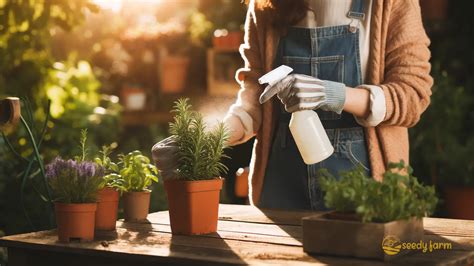
Combine one tablespoon of mild liquid dish soap (avoid detergents with degreasers or bleach) with one liter of water in a spray bottle. Shake well. Spray affected plants thoroughly, ensuring you get the undersides of leaves where pests often hide. The soap breaks down the protective outer layer of soft-bodied insects, dehydrating them. Repeat every few days until the infestation is under control. Always test on a small part of the plant first to ensure no adverse reaction.
For more persistent issues, a diluted neem oil solution can be effective. While neem oil itself isn’t ‘homemade’ from scratch, it’s a popular organic option often mixed at home. Mix according to product instructions, usually a teaspoon or two per liter of water, and spray in the early morning or late evening to avoid burning leaves in direct sunlight.

Dealing with Slugs and Snails: Crafty Traps and Barriers
These slimy nocturnal creatures can decimate young seedlings overnight. Here are a couple of ingenious, non-toxic solutions.
Beer Traps
Slugs and snails are notoriously attracted to beer. Sink shallow dishes (like tuna cans or jar lids) into the soil so the rim is level with the ground. Fill them with inexpensive beer. The pests will crawl in, get drunk, and drown. Empty and refill as needed.
Eggshell Barriers
Crushed eggshells provide a sharp, uncomfortable barrier that slugs and snails prefer not to cross. Rinse and dry eggshells, then crush them into small pieces. Sprinkle a generous ring around vulnerable plants. As a bonus, eggshells add calcium to the soil.

Fending Off Fungal Foes: Powdery Mildew and More
Sometimes, it’s not an insect but a fungal disease like powdery mildew that plagues your garden. These remedies can help keep fungal issues at bay.
Milk Spray for Powdery Mildew
A simple milk-and-water solution can be surprisingly effective against powdery mildew. Mix one part milk (any type, but skim milk is often recommended) with nine parts water. Spray affected plants every few days, ideally on a sunny morning. The milk is believed to have antifungal properties and can also boost the plant’s immune response.
Baking Soda Fungicide
Mix one tablespoon of baking soda, one teaspoon of mild liquid soap, and one liter of water. Spray plants thoroughly, especially focusing on areas with powdery mildew. Baking soda alters the pH on the leaf surface, making it inhospitable for fungal spores.
Natural Solutions for Ants and Other Crawlers
While some ants can be beneficial, others farm aphids or invade homes. Here’s a simple deterrent.
White Vinegar Spray
Undiluted white vinegar can be sprayed directly on ant trails or anthills to deter them. It disrupts their scent trails and acts as a repellent. Avoid spraying directly on plants as it can harm them, especially sensitive ones.

Preventative Measures for a Pest-Resistant Garden
The best defense against pests is a healthy garden. Implement these practices to reduce pest pressure naturally.
Companion Planting
Strategic planting can deter pests. Marigolds, for instance, are known to repel nematodes and other harmful insects when planted near vegetables. Nasturtiums can act as a trap crop, drawing aphids away from more desirable plants. Herbs like basil, mint, and rosemary also have pest-repelling qualities.
Encourage Beneficial Insects
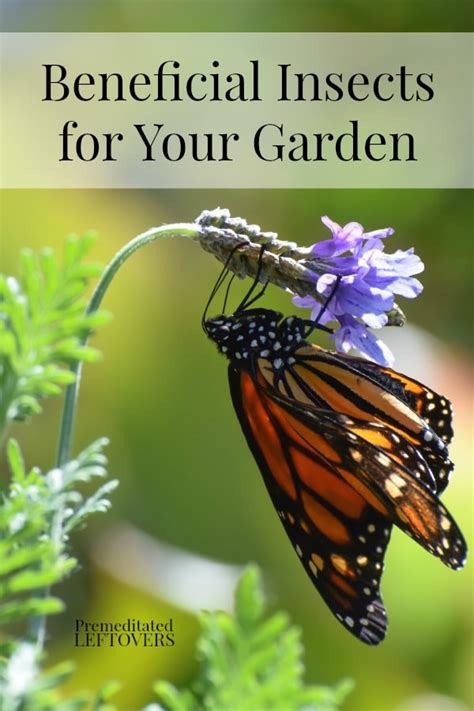
Attract ladybugs, lacewings, and parasitic wasps by planting flowers like dill, fennel, yarrow, and cosmos. These beneficial insects are natural predators of many common garden pests, providing biological control.
Maintain Garden Hygiene
Remove weeds, which can harbor pests. Promptly dispose of diseased or heavily infested plant parts to prevent further spread. Ensure proper air circulation around plants to reduce fungal issues.
Conclusion: Cultivating a Naturally Resilient Garden
Embracing homemade remedies for garden pests is a cornerstone of sustainable country living. By leveraging common household items and understanding basic ecological principles, you can create a vibrant, healthy garden that thrives without reliance on synthetic chemicals. It’s a journey of observation, experimentation, and a deeper connection to the natural world right outside your door. Start small, be patient, and enjoy the satisfaction of a naturally pest-free harvest.