How can families make real food prep and garden tasks joyful for kids?
Cultivating Skills and Curiosity from Seed to Plate
In an increasingly fast-paced world, engaging children in the origins of their food and the process of preparing it offers invaluable lessons beyond the plate. From sowing seeds to chopping vegetables, these real-world tasks can be transformed from chores into cherished, joyful family experiences. Let’s explore how families can cultivate enthusiasm for food prep and garden tasks, fostering valuable life skills and stronger bonds along the way.
Involving children in the kitchen and garden isn’t just about getting an extra pair of hands; it’s a powerful tool for development. These activities build fine motor skills, introduce basic math concepts (measuring, counting), and teach responsibility. Moreover, they spark curiosity about where food comes from, promoting healthier eating habits and a deeper appreciation for nature’s bounty.
Bringing Joy to the Kitchen
The kitchen is a fantastic classroom, and with a few simple strategies, it can become a hub of fun and learning:
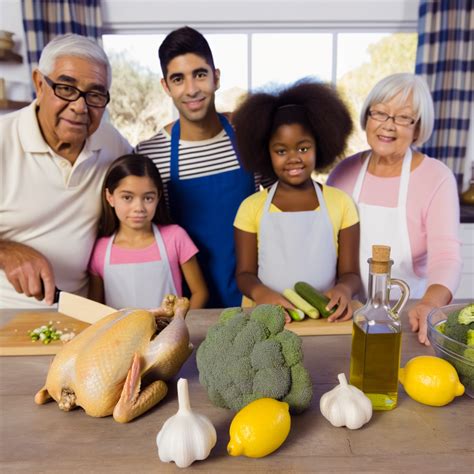
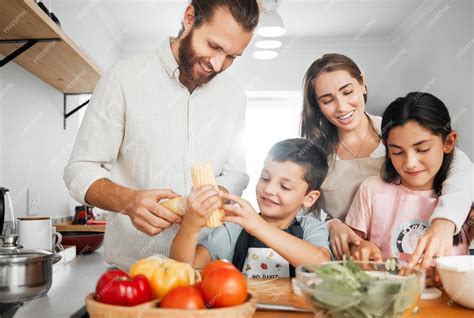
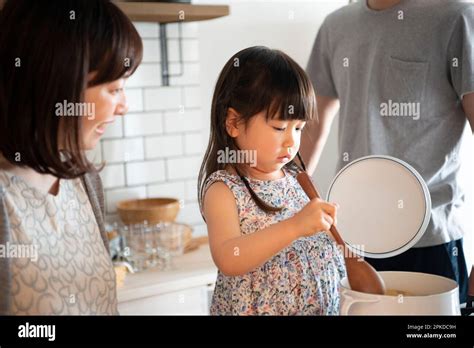
- Age-Appropriate Tasks: Start simple. Toddlers can wash vegetables or stir ingredients. Older children can measure, chop with kid-safe knives, or read recipes. Gradually increase complexity as their skills grow.
- Storytelling and Imagination: Invent stories about the ingredients – “These carrots are super-strength builders!” or “Let’s make a wizard’s potion soup!” Engage their imagination to make the process magical.
- Taste Testing and Experimentation: Encourage them to try new flavors and experiment with simple recipes. Let them choose a recipe occasionally, empowering their choices.
- Personalized Tools: Provide kid-sized aprons, cutting boards, and cooking utensils to make them feel like a professional chef. Having their own gear boosts engagement.
- Music and Movement: Put on some upbeat music and turn cooking into a dance party! A lively atmosphere makes tasks feel less like work and more like play.

Growing Enthusiasm in the Garden
Gardening offers a unique sensory experience that can captivate young minds. Digging in the dirt, planting tiny seeds, and watching them grow provides tangible rewards and lessons in patience.
- Their Own Patch: Give each child a small section of the garden, or a pot, where they can choose what to plant and care for it themselves. Ownership fosters responsibility and pride.
- Fun Tools and Gear: Provide child-sized gardening gloves, trowels, and watering cans. Make it feel like an adventure with special “explorer” gear.
- Theme Gardens: Create a “pizza garden” with tomatoes, oregano, and basil, or a “fairy garden” with small plants and whimsical decorations. Themes make gardening exciting.
- Bug Hunting and Nature Exploration: Turn weeding into a treasure hunt for interesting insects or worms. Teach them about the ecosystem in their own backyard, turning chores into discovery.

General Strategies for Lasting Engagement
Beyond specific tasks, the overall approach makes a significant difference in fostering a love for food prep and gardening:
- Patience is Key: Expect messes and slower progress. Focus on the process and the learning, not just the perfect outcome. Enjoy the journey together.
- Praise Effort, Not Perfection: Acknowledge their contributions and enthusiasm, even if the chopped vegetables aren’t uniform or the rows aren’t perfectly straight.
- Connect to the Meal/Harvest: Talk about how their efforts contributed to the delicious meal or the beautiful harvest. “You grew these beans!” or “Your stirring made this soup so smooth!”
- Educate and Empower: Explain why you do things a certain way. This empowers them with knowledge and fosters a sense of purpose and competence.

Harvesting Joy and Stronger Bonds
Transforming food prep and garden tasks into joyful family endeavors is more than just a way to get things done; it’s an investment in your children’s development and your family’s connection. By embracing creativity, patience, and a sense of adventure, families can cultivate not only delicious food but also lasting memories, essential life skills, and a deeper appreciation for the journey from seed to table. So, don your aprons, grab your trowels, and start growing joy together!