How can family involve kids in homestead cooking & chores?

Why Involve Kids in Homestead Life?
Homesteading is more than just a lifestyle; it’s a living classroom that offers invaluable lessons in self-sufficiency, sustainability, and hard work. For families, it presents a unique opportunity to teach children practical skills that extend far beyond the kitchen or garden. Involving kids in homestead cooking and chores not only lightens the load for parents but also empowers children with a sense of purpose, responsibility, and connection to their food and environment.
From understanding where food comes from to mastering basic household tasks, the homestead provides a rich environment for growth. This article will explore various age-appropriate ways to engage your children, transforming daily tasks into fun, educational, and bonding experiences.
Making Cooking a Family Affair
The kitchen is often the heart of the home, and for homesteaders, it’s where the fruits of labor are transformed into nourishing meals. Involving children in the cooking process, regardless of their age, can ignite a passion for food and culinary skills. Start with simple tasks that match their developmental stage.
- Toddlers (1-3 years): Focus on sensory experiences. Let them wash vegetables, stir ingredients in a bowl (with supervision), or tear lettuce for salads.
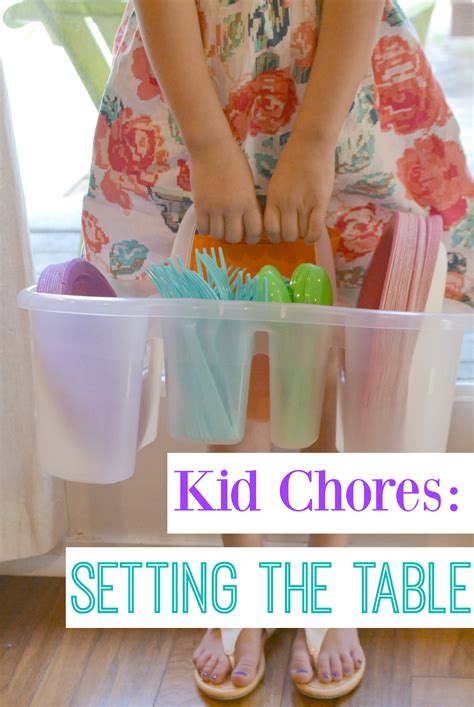
- Preschoolers (4-6 years): Introduce measuring non-liquid ingredients, mashing vegetables, kneading dough, and helping set the table. Safety is paramount, so keep sharp objects and hot surfaces out of reach.
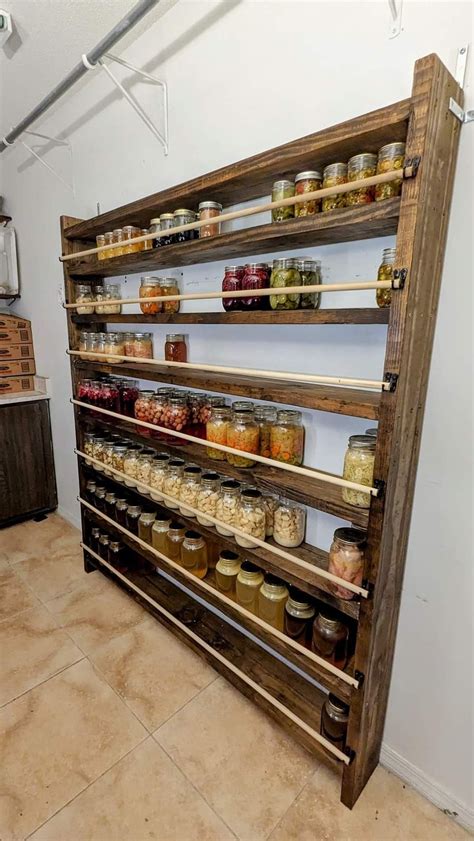
- School-Aged Kids (7-12 years): They can follow simple recipes, chop softer vegetables with a child-safe knife, crack eggs, grate cheese, and learn about different cooking methods. This is also a great time to teach them about food preservation – canning, dehydrating, or freezing produce from the garden.
- Teenagers (13+ years): Encourage them to plan and cook entire meals, experiment with new recipes, manage a food budget, and take on more complex preservation projects like making jams or fermented foods.

Engaging Kids in Homestead Chores
Beyond the kitchen, the homestead offers a myriad of chores that provide opportunities for learning and contribution. From tending the garden to caring for animals, these tasks build a strong work ethic and an understanding of interconnected systems.
- Garden Tasks: Even the youngest children can help plant seeds (especially larger ones like beans), water plants, or pick ripe berries. Older kids can learn about soil health, weeding, pest management, and harvesting techniques. Assign them their own small plot to cultivate, fostering ownership and responsibility.
- Animal Care: If you have chickens, ducks, or other livestock, kids can assist with feeding, refilling water, and collecting eggs. Teach them about animal behavior and the importance of humane care. For larger animals, teenagers can take on feeding schedules, mucking stalls, or basic health checks under supervision.
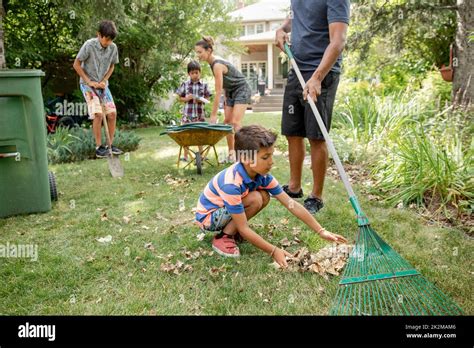
- Household & Property Maintenance: Chores like sweeping floors, tidying up, folding laundry, or helping with basic repairs (like tightening screws or painting a fence) are essential. Teenagers can learn to use tools safely, assist with building projects, or help maintain equipment.
Benefits Beyond the Task List
The advantages of involving children in homestead cooking and chores extend far beyond getting tasks done. These experiences are foundational for their development:
- Life Skills & Self-Sufficiency: Kids learn practical skills like cooking, gardening, problem-solving, and basic maintenance, preparing them for independent living.
- Responsibility & Work Ethic: Regular chores instill a sense of duty, accountability, and the satisfaction of contributing to the family unit.
- Family Bonding: Working together creates shared experiences, strengthens communication, and builds lasting memories.
- Appreciation for Food & Resources: Children develop a deeper understanding of the effort involved in producing food, leading to less waste and a greater appreciation for natural resources.
- Patience & Perseverance: Gardening, cooking, and animal care often require patience and the ability to work through challenges, teaching valuable life lessons.

Tips for Success and Keeping it Fun
To ensure a positive and effective experience, consider these tips:
- Start Small & Be Patient: Introduce tasks gradually and allow for mistakes. Learning takes time.
- Make it Age-Appropriate: Always tailor tasks to their skill level and physical capabilities to avoid frustration or injury.
- Turn Tasks into Games: Make it a challenge or a competition. Who can collect the most eggs? Who can shuck corn the fastest?
- Provide the Right Tools: Invest in child-sized gardening tools, aprons, or even a step stool to make tasks more accessible and enjoyable.
- Teach, Don’t Just Tell: Demonstrate how to do a task before expecting them to do it independently.
- Offer Choices: Give them a sense of control by letting them choose between two chores.
- Celebrate Achievements: Acknowledge their efforts and celebrate successes, no matter how small. Acknowledge the food they helped prepare or the neatness of their garden row.
- Lead by Example: Children learn by observing. Show enthusiasm and a positive attitude towards your own homestead responsibilities.

Conclusion
Involving children in homestead cooking and chores is an investment in their future. It’s about more than just getting tasks done; it’s about cultivating a strong work ethic, imparting essential life skills, fostering a deep connection to nature, and strengthening family bonds. By approaching these activities with patience, creativity, and a focus on age-appropriate engagement, families can transform daily homestead life into a truly enriching and memorable experience for everyone.