



How can I adapt a family heirloom recipe using seasonal garden produce?

Family heirloom recipes are more than just instructions on a card; they’re edible stories, links to our past, and a taste of generations gone by. But what happens when you want to honor those traditions while also embracing the bounty of your own garden or local seasonal produce? Adapting these cherished recipes to incorporate fresh, seasonal ingredients is a beautiful way to keep traditions alive, infuse new life into familiar flavors, and enjoy the freshest ingredients at their peak.
Understanding Your Heirloom
Before you dive into modifications, take time to truly understand the core of your heirloom recipe. What are its essential components? Is it the texture of a hearty stew, the delicate sweetness of a pie, or the robust flavor of a sauce? Identify the “non-negotiables”—the ingredients or techniques that define the dish—and the elements that are more flexible. Consider the primary flavor profile: is it savory, sweet, tangy, or a complex blend? Knowing these foundational elements will guide your adaptation process.

Harvesting Inspiration from Your Garden
Once you understand your heirloom, turn your attention to your garden. What’s thriving right now? Are your tomatoes bursting with ripeness, your zucchini overflowing, or your herbs fragrant and abundant? Consider the flavor, texture, and moisture content of your seasonal produce. A crisp cucumber will behave differently than a starchy potato, and a sweet berry will require different considerations than a tart apple. Think about how these characteristics might complement or challenge the existing profile of your heirloom dish.
For instance, if your heirloom is a summer fruit tart, and your garden is overflowing with peaches instead of the traditional berries, how would the peaches’ sweetness and juiciness alter the filling? If it’s a winter root vegetable stew, and you want to use tender spring greens, how will you adjust cooking times and liquid?
Strategic Substitutions & Flavor Balancing
Vegetable Swaps
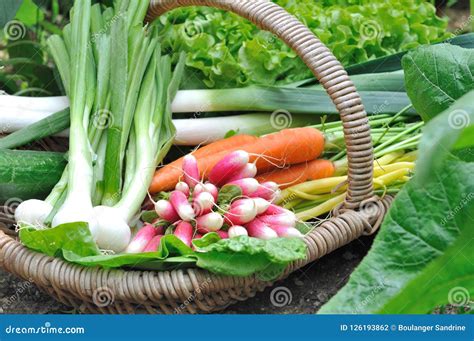
When swapping vegetables, aim for similar textures and moisture levels if possible. In a stew, potatoes can be swapped for denser winter squash like butternut or sweet potatoes. Leafy greens like spinach or kale can replace or augment cabbage in a soup. If a recipe calls for bell peppers, but your garden offers an abundance of colorful cherry tomatoes or mild chili peppers, consider their flavor contribution. Remember that fresh vegetables often contain more water than canned or older produce, so you might need to adjust cooking times or thickeners.
Herb & Spice Adjustments
Fresh herbs from the garden are a game-changer. Often, a recipe calling for dried herbs can be enhanced with 2-3 times the amount of fresh herbs for a brighter, more vibrant flavor. Experiment with complementary fresh herbs. If an Italian sauce traditionally uses dried oregano, consider adding fresh basil and a touch of marjoram from your garden. Be mindful of strong flavors; a little fresh rosemary or thyme goes a long way.
Fruit & Sweetener Considerations
For baked goods or desserts, swapping fruits requires attention to sweetness and acidity. If your heirloom pie calls for tart apples, but you have very sweet plums, you might reduce added sugar or introduce a squeeze of lemon juice to balance the flavors. Conversely, if using a less sweet fruit, a touch more natural sweetener might be appropriate.

The Art of Iteration and Documentation
Adapting recipes is an art of experimentation. Start small. If it’s a large recipe, try a half batch first. Taste as you go, and don’t be afraid to adjust seasonings. Keep detailed notes: what you changed, how much, and the resulting flavor and texture. This documentation is crucial for replicating your successes and learning from any adjustments needed. Think of it as creating a new, personalized heirloom recipe for future generations.

Embrace the New Tradition
By adapting your family’s heirloom recipes with seasonal garden produce, you’re not just cooking; you’re participating in a continuous culinary evolution. You’re honoring the past while celebrating the present, creating dishes that are fresh, sustainable, and uniquely yours. These adapted recipes become a new layer in your family’s culinary story, a delicious testament to creativity, resourcefulness, and the joy of eating with the seasons.
Share your creations with family and friends, explaining the journey from heirloom to garden-fresh delight. You might just inspire a new tradition that combines the best of both worlds.