


How can I adapt a family recipe to use my garden’s seasonal produce?
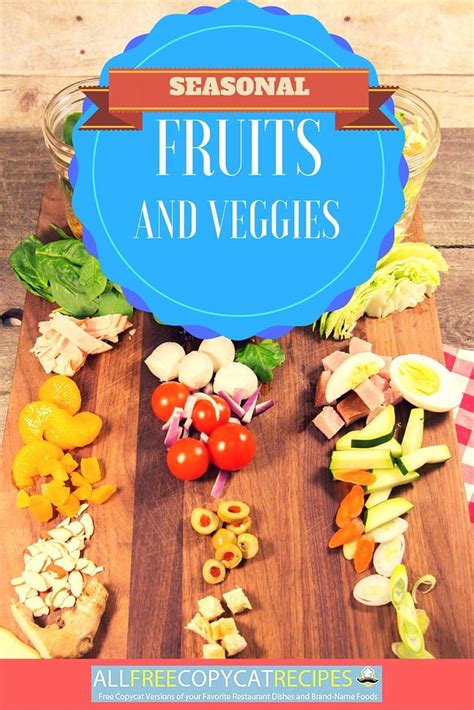
Embracing the bounty of your home garden is one of the most rewarding aspects of cooking. Not only does it provide fresh, flavorful ingredients, but it also presents a wonderful opportunity to infuse new life into cherished family recipes. Adapting these traditional dishes to incorporate seasonal produce from your garden is a creative way to honor your culinary heritage while enjoying the freshest ingredients. Here’s how you can do it.
Understand Your Garden’s Harvest
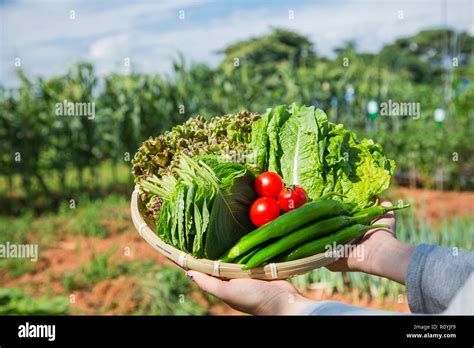
Before you dive into modifications, take stock of what your garden is offering. Is it a surplus of zucchini, a bumper crop of tomatoes, or an abundance of herbs? Knowing your primary ingredients and their characteristics – flavor, texture, and how they behave when cooked – is the first step. Consider their ripeness and how that might impact the final dish.
Analyze the Original Recipe
Examine your family recipe closely. What are its core components? Identify the main ingredients, the flavor profile (sweet, savory, spicy, earthy), the primary cooking method (roasting, stewing, baking), and the role each ingredient plays. For example, is an ingredient there for bulk, flavor, texture, or moisture? This helps you determine where and how your garden produce can fit in without compromising the dish’s essence.
Strategic Substitutions and Additions
Once you understand both your harvest and the recipe, you can start making changes. Direct substitutions are often the easiest. If a recipe calls for store-bought bell peppers and you have garden-fresh sweet peppers, it’s an easy swap. For more creative adaptations, consider:
- Volume Swaps: Replace a portion of a less seasonal vegetable with your garden’s bounty. For example, substitute half the potatoes in a stew with chunks of butternut squash.
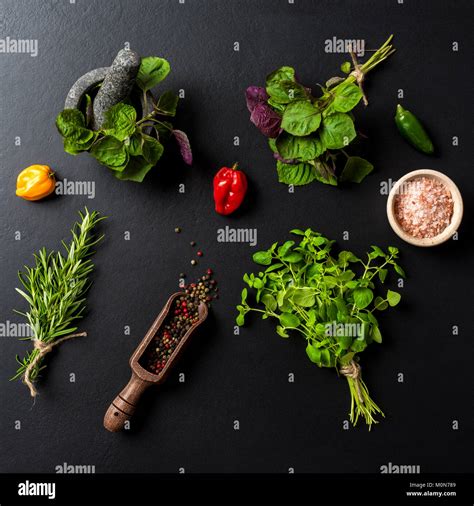
- Flavor Enhancers: Add fresh herbs like basil, oregano, or rosemary to elevate flavor profiles.
- Hidden Veggies: Puree milder vegetables like zucchini or carrots into sauces or baked goods to boost nutrition subtly.
- Texture Additions: Introduce crunch with fresh snap peas in a stir-fry, or a creamy element with roasted eggplant in a dip.
Adjusting Flavors and Seasoning
Garden-fresh produce often has a more intense flavor than its store-bought counterparts, which might require adjustments to your seasoning. Taste your produce raw to understand its natural sweetness or bitterness. You might need less sugar if using very ripe tomatoes or more salt if adding a lot of water-heavy vegetables. Don’t be afraid to experiment with herbs and spices to complement the natural flavors of your seasonal ingredients.
Consider Cooking Methods and Times
Different vegetables have varying cooking times and moisture content. If you’re swapping a root vegetable for a leafy green, the cooking method and duration will need to change significantly. Roasting can bring out sweetness, while steaming preserves nutrients. Be mindful of moisture; watery vegetables like zucchini can dilute sauces, so you might need to cook them down separately or adjust liquid quantities in the main dish.

Taste, Adjust, and Document
The most crucial step in adapting any recipe is to taste as you go. Make small adjustments to seasoning, texture, and cooking time until you achieve the desired balance. Once you’ve created a successful new version of your family favorite, make sure to write down the changes. Note what produce you used, the quantities, and any specific cooking instructions. This way, you can recreate your delicious seasonal masterpiece year after year.
Adapting family recipes with your garden’s seasonal produce is a journey of culinary discovery. It’s about honoring tradition while embracing freshness and creativity. Each season brings new possibilities, ensuring that your meals are not only delicious but also deeply connected to the rhythm of nature.