How can I best preserve a surplus of summer garden tomatoes for winter sauces?

Embracing the Abundance: Why Preserve Summer Tomatoes?
The peak of summer brings an incredible bounty from the garden, and for many home growers, that means an overwhelming supply of ripe, juicy tomatoes. While fresh tomatoes are a delight, transforming this surplus into delicious, shelf-stable ingredients for winter sauces is a truly rewarding endeavor. Imagine the taste of sun-ripened summer tomatoes brightening your meals when the snow falls. This guide will walk you through the most effective methods to preserve your tomato harvest, ensuring you can enjoy that garden-fresh flavor all year long.

Water Bath Canning: The Classic Method for Sauces
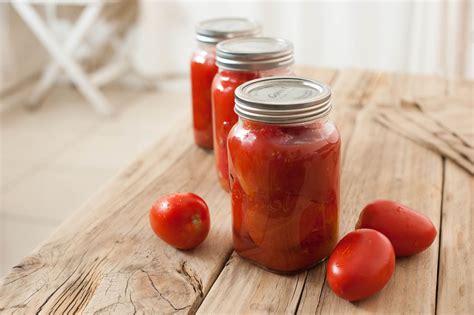
Canning is a time-honored tradition for preserving tomatoes, especially ideal for creating ready-to-use bases for sauces, stews, and chilis. This method involves processing jars of prepared tomatoes in a boiling water bath to create a vacuum seal, preventing spoilage. Tomatoes are naturally acidic, but often not quite acidic enough on their own for safe water bath canning. Always add bottled lemon juice (1 tablespoon per pint, 2 tablespoons per quart) or citric acid (1/4 teaspoon per pint, 1/2 teaspoon per quart) to each jar for safety.
Steps for Canning Crushed or Whole Peeled Tomatoes:
- Preparation: Wash tomatoes thoroughly. For whole peeled, blanch them briefly in boiling water, then transfer to an ice bath to easily remove skins. Core and chop as desired for crushed tomatoes.
- Heating: Gently heat the prepared tomatoes (crushed or whole) in a large pot until they come to a boil. This helps to reduce air and makes for a better pack.
- Jar Packing: Ladle the hot tomatoes into clean, hot canning jars, leaving 1/2 inch headspace. Add lemon juice or citric acid. Remove air bubbles using a non-metallic utensil. Wipe rims clean.
- Sealing: Place lids and screw bands on fingertip-tight.
- Processing: Carefully lower jars into a boiling water canner, ensuring they are covered by at least 1 inch of water. Bring to a rolling boil and process for the recommended time (typically 35-45 minutes for pints, 40-50 minutes for quarts, adjusting for altitude).
- Cooling & Storage: Remove jars and cool on a towel-lined surface for 12-24 hours. Check seals. Store properly sealed jars in a cool, dark place.
Freezing Tomatoes: Simplicity and Versatility
Freezing is arguably the easiest and most versatile method for preserving tomatoes, especially if you’re short on time or canning equipment. Frozen tomatoes retain much of their fresh flavor and texture, making them perfect for later use in cooked sauces, soups, and stews. You can freeze them whole, chopped, pureed, or even roasted.
Different Freezing Approaches:
- Whole Tomatoes: Simply wash and core ripe tomatoes. Place them on a baking sheet in a single layer and freeze until solid. Once frozen, transfer to freezer-safe bags or containers. The skins will slip off easily once thawed, or you can add them directly to a hot sauce to soften and remove them later.
- Chopped or Crushed: Chop tomatoes into desired pieces. You can sauté them down slightly to concentrate flavor and reduce volume before freezing, or freeze them raw. Pack into freezer bags or rigid containers, leaving headspace.
- Pureed Tomatoes: Blend raw or cooked tomatoes until smooth. For a richer flavor, simmer the puree to reduce its volume before freezing. Pour into ice cube trays for small portions, or larger freezer-safe containers.
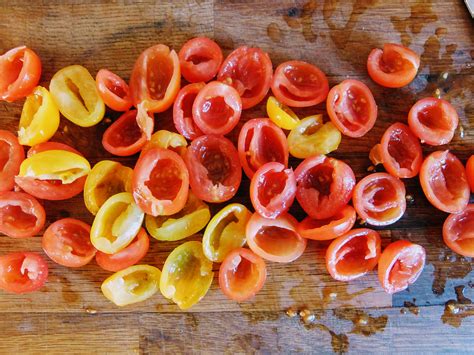
- Roasted Tomatoes: Halve or quarter tomatoes, toss with olive oil, salt, and herbs, then roast until caramelized. Cool completely and freeze in a single layer on a baking sheet before transferring to bags. This adds incredible depth of flavor to winter sauces.
Always label your frozen tomatoes with the date and type of tomato for easy identification.

Dehydrating Tomatoes: Concentrated Flavor Powerhouses
Dehydrated tomatoes, often referred to as sun-dried tomatoes (even if dried in an oven or dehydrator), offer an intensely concentrated burst of tomato flavor. While they require rehydration for most sauce applications, their potency makes them an excellent addition to deepen the complexity of your winter cooking.
Methods for Drying Tomatoes:
- Dehydrator: Slice tomatoes (roma varieties work best due to lower water content) about 1/4 inch thick. Arrange on dehydrator trays without overlapping. Dry at 135°F (57°C) for 8-12 hours or until leathery and pliable, not brittle.
- Oven Drying: Slice tomatoes thinly. Arrange on parchment-lined baking sheets. Bake at the lowest oven temperature (usually 150-200°F or 65-93°C) with the door slightly ajar to allow moisture to escape. This can take several hours (4-10+).
- Sun Drying: Requires hot, dry weather and protection from pests. Place sliced tomatoes on screens outdoors. Cover with netting. This is a traditional but less controlled method.
Once dried, store tomatoes in airtight containers. To use in sauces, rehydrate by soaking in hot water or broth for 20-30 minutes, or simply add directly to simmering sauces where they will absorb liquid and soften.
Crafting Tomato Paste or Sauce Concentrate
For the ultimate reduction of summer’s bounty, transforming your tomatoes into a concentrated paste or thick sauce base is a fantastic option. This method significantly reduces volume, making storage more efficient and providing a potent flavor punch for your winter recipes.
Making Concentrate:
- Initial Cook Down: Wash and quarter tomatoes. Cook them down in a large pot until very soft, stirring frequently.
- Milling/Straining: Pass the cooked tomatoes through a food mill or fine-mesh sieve to remove skins and seeds, leaving you with a smooth puree.
- Slow Reduction: Return the puree to a clean, heavy-bottomed pot. Simmer on low heat, stirring frequently (especially as it thickens) to prevent scorching, until it reaches your desired consistency – a thick sauce or a dense paste. This can take several hours.
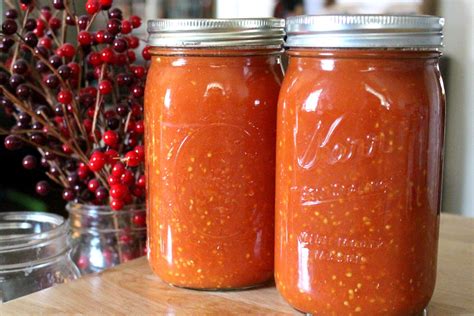
- Storage: Once cooled, spoon the concentrate into freezer-safe containers, ice cube trays, or even small canning jars if you intend to water bath process for extended shelf life (ensure proper acidity is added as with other canned tomatoes).
This concentrated product is invaluable for enriching the flavor of any winter dish, from marinara to chili.
Final Tips for Tomato Preservation Success
Regardless of the method you choose, a few general principles will help ensure your preservation efforts are successful and delicious:
- Start with Quality: Always use ripe, firm, blemish-free tomatoes for the best flavor and safest results.
- Cleanliness is Key: Sanitize all equipment, jars, and utensils meticulously to prevent contamination.
- Label Everything: Clearly label containers with the date and contents. This helps with inventory management and ensures you use the oldest items first.
- Portion Smartly: Consider how you’ll use the tomatoes. Freezing in smaller portions (e.g., in ice cube trays or small bags) allows for quick access to just what you need without thawing a large batch.
By investing a little time now, you can enjoy the incredible taste of your summer garden tomatoes throughout the colder months, elevating your winter sauces and bringing a taste of sunshine to every meal.