How can I best use my garden’s seasonal harvest in wholesome recipes?
There’s immense satisfaction in harvesting fresh produce from your own garden. The vibrant colors, rich aromas, and unparalleled flavor of seasonal fruits and vegetables are a true delight. But once the bounty starts rolling in, the common question arises: how can you truly make the most of it, transforming your harvest into wholesome, delicious meals that nourish your body and soul?
Embracing the Seasonal Cycle
The key to maximizing your garden’s output in wholesome recipes lies in understanding and embracing its natural rhythm. Different plants thrive in different seasons, offering a continually evolving pantry. Instead of fighting nature, learn to cook with what’s readily available, leading to fresher ingredients, better flavor, and often, more economical cooking.
Strategies for Wholesome Garden Cooking
1. Prioritize Fresh and Immediate Use
Some produce is best enjoyed right after picking. Think crisp salad greens, juicy tomatoes, and tender herbs. Simple preparations often highlight their natural flavors best. Consider:
- Vibrant Salads: Combine various greens, edible flowers, cherry tomatoes, cucumbers, and fresh herbs with a light vinaigrette.
- Quick Sautéed Dishes: Asparagus, snap peas, green beans, or summer squash can be quickly sautéed with garlic and a touch of olive oil.
- Smoothies and Juices: Leafy greens like spinach or kale, berries, and stone fruits are perfect for nutritious drinks.
- Pestos and Sauces: Basil, parsley, or cilantro can be blended into fresh pestos, while ripe tomatoes make incredible uncooked sauces.
2. Transform Through Cooking and Baking
When the harvest is abundant, cooking and baking become essential tools for creating diverse and satisfying meals. Heat can unlock new depths of flavor and soften tougher vegetables.
- Roasting and Grilling: Root vegetables, bell peppers, zucchini, eggplant, and onions caramelize beautifully, developing a sweet, smoky flavor.
- Soups and Stews: A perfect way to use up a variety of vegetables. Think hearty minestrone, creamy squash soup, or a vibrant vegetable broth.
- Casseroles and Bakes: Layer sliced potatoes, tomatoes, zucchini, or eggplant with cheeses and herbs for comforting dishes.
- Wholesome Baked Goods: Zucchini bread, carrot muffins, berry crumbles, or apple pies can be made healthier with whole grains and reduced sugar.

3. Master the Art of Preservation
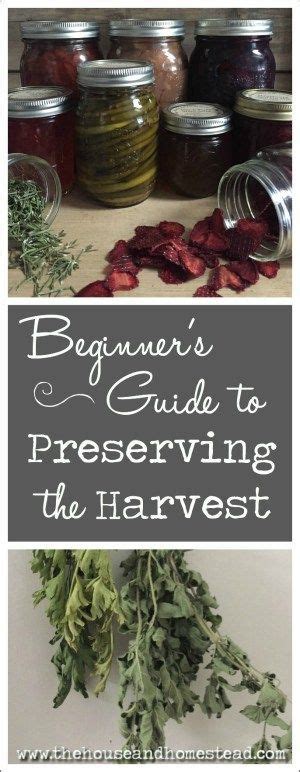
To extend your garden’s bounty far beyond its growing season, preservation is key. This ensures you have wholesome, homegrown ingredients throughout the year.
- Freezing: Blanch and freeze vegetables like green beans, peas, corn, and berries. Puree herbs with a little oil and freeze in ice cube trays.
- Canning: Ideal for tomatoes (sauces, diced), pickles, jams, and jellies. Always follow tested recipes for safety.
- Drying: Herbs, sliced fruits (apples, pears), and even some vegetables (tomatoes, mushrooms) can be dried for long-term storage.
- Fermentation and Pickling: Transform cucumbers into pickles, cabbage into sauerkraut, or various vegetables into lacto-fermented condiments.

Seasonal Inspiration: Wholesome Recipe Ideas
- Spring: Fresh pea and mint soup, roasted asparagus with lemon, radish and cucumber salad.
- Summer: Caprese salad with garden tomatoes and basil, grilled zucchini and corn salsa, homemade berry cobbler.
- Fall: Roasted butternut squash soup, apple and pear crisp, hearty root vegetable stew.
- Winter (using preserved items): Tomato sauce from canned tomatoes, chili with frozen peppers and corn, herbal teas from dried herbs.

Tips for Maximizing Wholesome Cooking
- Embrace Whole Grains: Pair your fresh produce with quinoa, brown rice, whole wheat pasta, or farro for added fiber and nutrients.
- Healthy Fats: Use olive oil, avocado oil, nuts, and seeds to enhance flavor and nutrient absorption.
- Herbs and Spices: Your garden’s herbs are a natural flavor enhancer. Experiment with different spice blends to create diverse culinary profiles without excess salt.
- Batch Cooking: Roast a large tray of vegetables or cook a big pot of soup to portion out for meals throughout the week.
- Minimize Waste: Use vegetable scraps for broth, turn overripe fruit into compotes or smoothies, and compost what you can’t use.

Your garden is a treasure trove of culinary potential. By understanding its rhythms, utilizing various cooking techniques, and mastering preservation methods, you can consistently enjoy wholesome, flavorful meals made with the freshest ingredients. Embrace the creativity that comes with a seasonal harvest and savor every delicious bite!