How can I effectively preserve excess garden tomatoes without canning for real food recipes?
Harnessing Your Tomato Harvest Without the Canning Pot
The joy of a bountiful tomato harvest is unparalleled, but what do you do when your vines are overflowing, and the thought of firing up the canning pot fills you with dread? Thankfully, preserving these sun-kissed gems for your “real food” recipes doesn’t have to involve pressure canners or hot water baths. There are numerous effective and simple ways to extend the life of your excess garden tomatoes, ensuring you have delicious, homemade ingredients all year long.
Freezing: The Ultimate Convenience
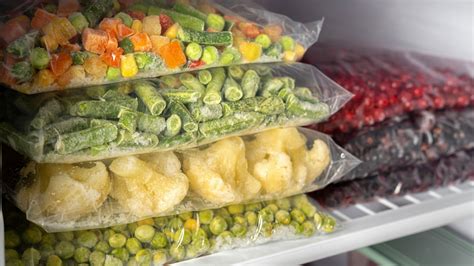
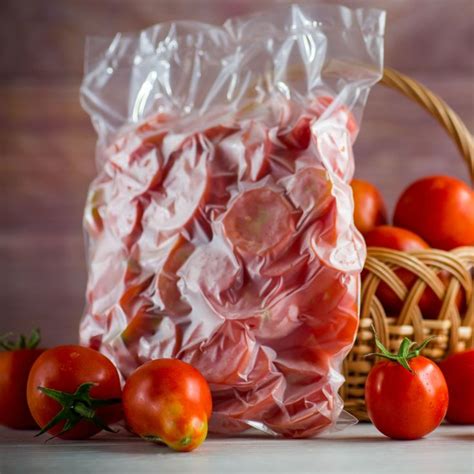
Freezing is arguably the easiest and most versatile method for preserving tomatoes without canning. You can freeze them whole, chopped, or pureed, making them ready for soups, stews, sauces, and chilis. For whole tomatoes, simply wash, remove the core, and place them on a baking sheet to flash freeze. Once solid, transfer to freezer bags. The skins will slip right off once thawed, making them perfect for saucing.
Alternatively, blanch and peel your tomatoes, then chop or puree them. Portion into freezer-safe containers or bags, leaving headspace. You can also cook them down into a basic sauce before freezing for ready-to-use meal starters.

Dehydrating: Concentrated Flavor Powerhouses
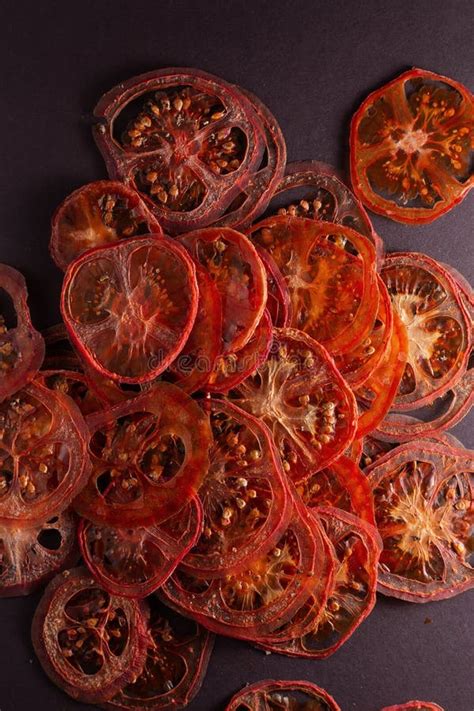
For an intense burst of tomato flavor, consider dehydrating. Whether using a food dehydrator or the power of the sun, dried tomatoes are phenomenal in salads, pastas, casseroles, and homemade pestos. Slice tomatoes thinly, remove excess moisture with a paper towel, and arrange them on dehydrator trays or racks. Dry until leathery but still pliable, then store in airtight containers in a cool, dark place or freeze for extended freshness.
Roasting and Freezing: Sweet and Savory Goodness
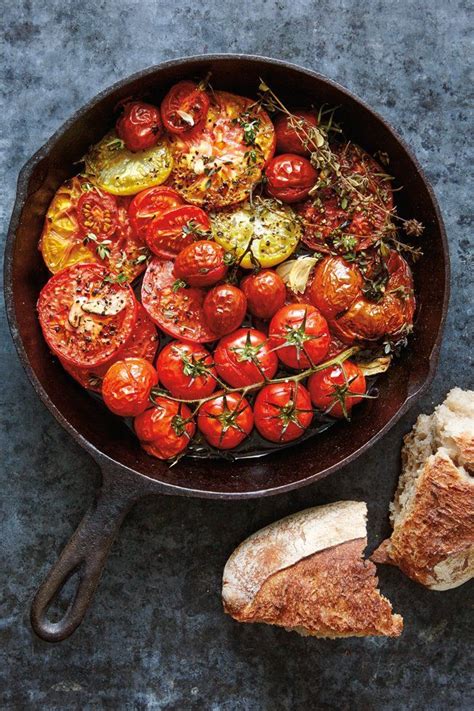
Roasting tomatoes brings out their natural sweetness and deepens their umami flavor. Halve or quarter your tomatoes, toss with a little olive oil, salt, pepper, and herbs like basil or oregano. Roast at a moderate temperature (around 350°F / 175°C) until softened and slightly caramelized. Once cooled, pack them into freezer-safe containers, covering with a thin layer of olive oil if desired. These roasted tomatoes are fantastic additions to pasta sauces, frittatas, sandwiches, or simply enjoyed on their own.
Cooking Down to Sauces and Paste
Transforming your excess tomatoes into a concentrated sauce or paste before freezing is another excellent strategy. Simmer peeled and crushed tomatoes for several hours until much of the liquid has evaporated, leaving behind a rich, thick consistency. For paste, continue cooking until it’s very dense. This greatly reduces the freezer space required and provides a versatile base for countless recipes. Freeze in ice cube trays for small portions, or in larger containers for family-sized meals.
Fermenting: A Tangy Twist
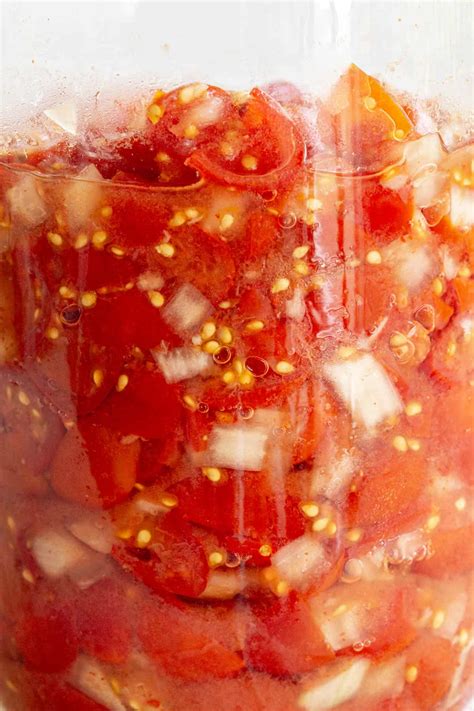
While less common than freezing or drying, fermenting tomatoes can add a unique tangy dimension to your real food pantry. You can ferment chopped tomatoes with salt and spices to create a lacto-fermented salsa or even a basic crushed tomato mixture. This method introduces beneficial probiotics and a delightful sour note, making them excellent for fresh consumption or as an ingredient in uncooked dishes. Ensure proper sanitation and use a quality starter or sufficient salt for successful fermentation.
Embrace the No-Canning Approach
From the simplicity of freezing to the intense flavors of dehydrating and roasting, and the unique tang of fermentation, there are abundant ways to preserve your garden tomatoes without ever needing a canning pot. These methods not only save time and effort but also retain the fresh, vibrant flavors of your harvest, making them perfect for enriching your real food recipes throughout the year. Experiment with different techniques to find what works best for your kitchen and culinary preferences, and enjoy the delicious fruits of your labor long after the summer sun has faded.