How can I enrich my garden soil naturally using kitchen scraps and leaves?
Healthy soil is the foundation of a vibrant garden, teeming with life and providing essential nutrients for robust plant growth. While commercial fertilizers offer a quick fix, enriching your garden soil naturally using kitchen scraps and fallen leaves is a sustainable, cost-effective, and environmentally friendly approach that builds long-term soil health. This guide will explore various methods to transform everyday organic waste into garden gold.
The Power of Composting: Your Garden’s Best Friend
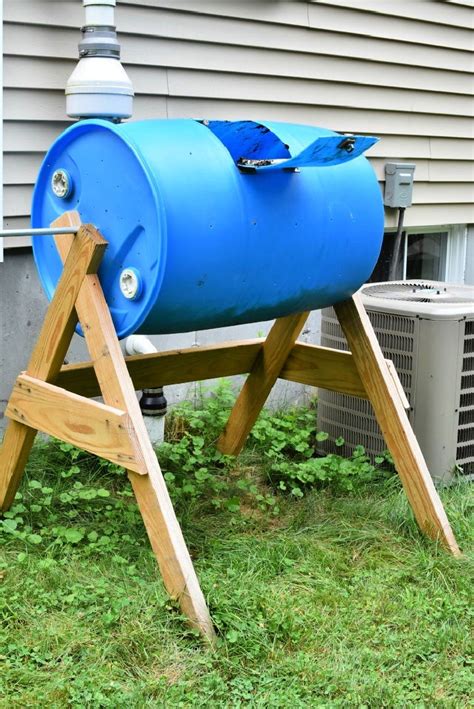
Composting is the process of breaking down organic matter into a dark, crumbly, nutrient-rich material called compost. It’s an incredible way to recycle kitchen waste and garden debris, turning them into a free, high-quality soil amendment. Compost improves soil structure, enhances water retention, and slowly releases essential nutrients to plants.
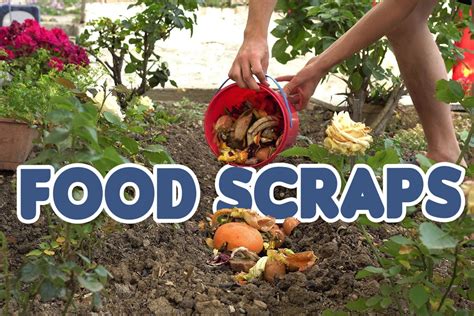
Many common kitchen scraps are perfect for your compost pile, including fruit and vegetable peels, cores, scraps, coffee grounds and filters, tea bags, and crushed eggshells. These “greens” provide nitrogen, which is crucial for microbial activity.
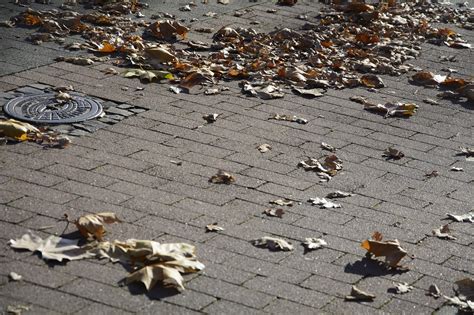
Fallen leaves, on the other hand, are an excellent source of “brown” material, providing carbon. A balanced mix of greens and browns is key to a healthy, fast-working compost pile. Collect leaves in autumn and store them to add to your compost throughout the year.
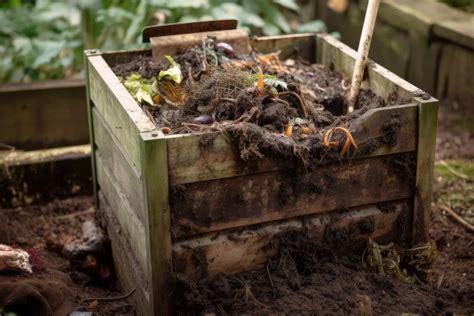
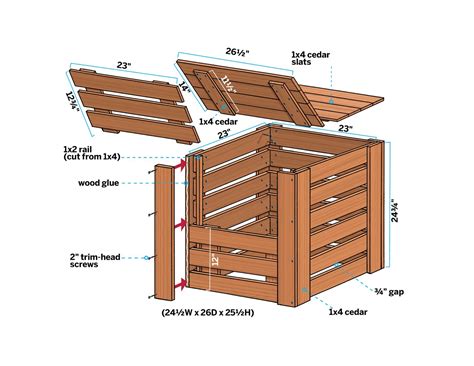
Avoid composting meat, bones, dairy products, oily foods, and pet waste, as these can attract pests, create foul odors, and harbor harmful pathogens. Setting up a simple compost bin or pile in a shady spot, ensuring proper aeration and moisture, will kickstart your journey to richer soil.
Creating Rich Leaf Mold
While leaves can go into your general compost, creating pure leaf mold is another fantastic way to enrich your soil, especially for plants that love acidic conditions. Leaf mold is the product of leaves decomposing slowly with the help of fungi, resulting in a dark, crumbly material that is incredibly good for soil structure and water retention, though lower in nutrients than traditional compost.
Making leaf mold is remarkably simple: just pile up your fallen leaves in a corner of your garden, in a chicken wire bin, or even in black plastic bags (puncture for air circulation). Keep them moist, and over 1-2 years, they will transform into a magnificent soil amendment.
Leaf mold is particularly beneficial for improving heavy clay soils by opening them up, and for sandy soils by increasing their water-holding capacity. Use it as a top dressing, a mulch, or dig it directly into your garden beds.
Direct Soil Incorporation for Quick Boosts
For gardeners with smaller quantities of scraps or limited space for a compost pile, direct soil incorporation is a viable option. This involves burying kitchen scraps directly into your garden beds or trenches. This method works best for fruit and vegetable scraps, coffee grounds, and eggshells.
Dig a small hole or trench about 6-12 inches deep between plant rows or in areas not currently planted. Deposit your scraps, cover them thoroughly with soil, and let nature do the rest. The scraps will decompose directly in the soil, releasing nutrients exactly where they are needed.
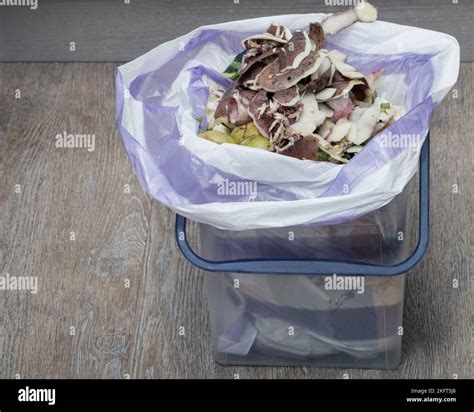
Ensure scraps are buried deeply enough to prevent attracting pests. This method is excellent for boosting localized soil fertility and keeping organic matter out of landfills. Avoid burying large amounts in one spot to prevent excessive localized nitrogen release or potential odors.
Vermicomposting: The Wormy Way to Super Soil
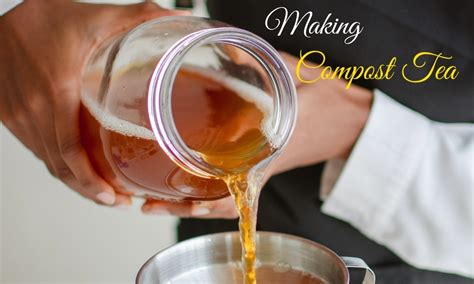
Vermicomposting, or worm composting, is an incredibly efficient way to turn kitchen scraps into nutrient-rich “worm castings” and “worm tea” (liquid fertilizer) using special composting worms, typically red wigglers. This method is ideal for small spaces, even indoors, and produces some of the finest soil amendments available.
A vermicompost bin is essentially a specialized container where worms live and consume your organic waste. They break down food scraps much faster than traditional composting, producing castings that are rich in beneficial microbes, enzymes, and plant-available nutrients.
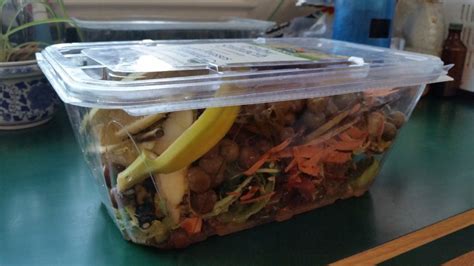
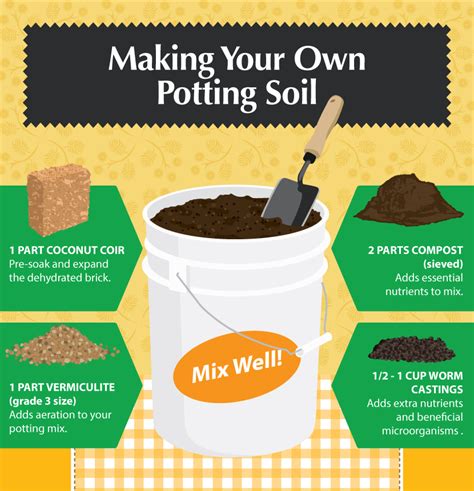
Feed your worms fruit and vegetable scraps, coffee grounds, tea bags, and shredded paper or cardboard. Avoid citrus in large quantities, meat, dairy, and oily foods. Regularly harvest the castings and use them to top-dress plants, incorporate into potting mixes, or brew as a liquid fertilizer.
Benefits Beyond Fertility
Enriching your soil naturally offers a multitude of benefits beyond just providing nutrients:
- Improved Soil Structure: Organic matter helps heavy clay soils drain better and sandy soils retain more moisture.
- Increased Water Retention: Soil rich in organic matter acts like a sponge, reducing the need for frequent watering.
- Enhanced Microbial Life: You’ll foster a healthier, more diverse ecosystem of beneficial microorganisms, which are crucial for nutrient cycling and disease suppression.
- Waste Reduction: Diverting kitchen scraps and leaves from landfills significantly reduces your household waste and carbon footprint.
- Cost Savings: Eliminate the need to purchase synthetic fertilizers and expensive soil amendments.
Tips for Success
To maximize the effectiveness of your natural soil enrichment efforts:
- Chop Materials: Smaller pieces of kitchen scraps and leaves decompose faster.
- Maintain Moisture: Keep compost piles and leaf mold piles consistently moist, like a wrung-out sponge.
- Turn Your Compost: Regular turning aerates the pile, speeds up decomposition, and prevents odors.
- Be Patient: Natural processes take time. The richer your soil becomes, the more resilient and productive your garden will be.
By embracing these natural methods, you’re not just feeding your plants; you’re nurturing the very foundation of your garden—its soil. The result will be a healthier, more productive, and more sustainable garden ecosystem that thrives naturally, year after year.