How can I extend my garden’s harvest into late fall in zone 6 without a greenhouse?
Embracing the Extended Season in Zone 6
For many gardeners in USDA Hardiness Zone 6, the arrival of fall traditionally signals the winding down of the growing season. However, with a bit of planning and a few ingenious, non-greenhouse methods, you can dramatically extend your garden’s bounty well into late fall, enjoying fresh produce long after the first frosts. The key lies in understanding your microclimate, selecting the right crops, and implementing simple protective measures.
Strategic Late-Season Planting and Crop Selection
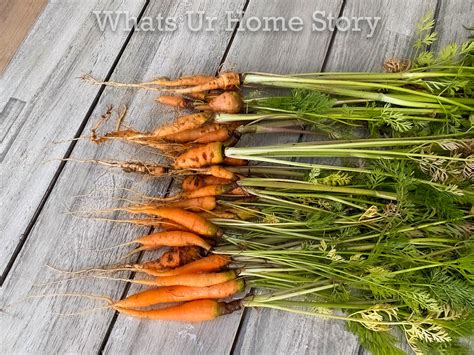
One of the most effective ways to extend your harvest is by choosing crops that thrive in cooler temperatures or can mature quickly before hard freezes. Focus on cool-season vegetables like spinach, kale, collards, Swiss chard, leeks, carrots, beets, and radishes. Many varieties are surprisingly frost-tolerant, even sweetening after a light chill.
Succession planting is also critical. Instead of planting everything at once in spring, stagger your plantings of quick-maturing crops every few weeks through late summer and early fall. This ensures a continuous supply and allows some crops to mature as others are fading.

Utilize Simple Protective Structures
You don’t need an expensive greenhouse to shield your plants from the elements. Simple, low-cost structures can make a world of difference.
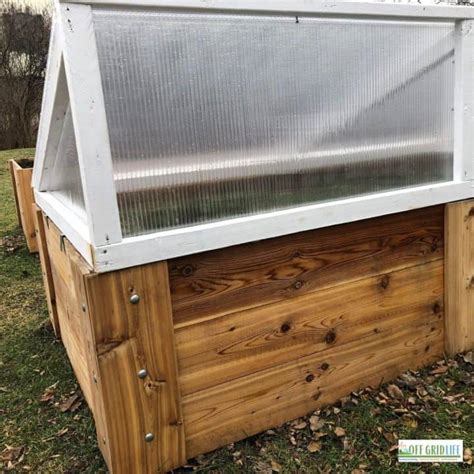
- Cold Frames: These bottomless boxes with clear tops are excellent for insulating plants. They trap solar heat during the day and protect against frost at night. You can build one from scrap wood and old windows, or purchase an inexpensive kit. Place them over existing garden beds to create a mini-greenhouse effect for individual plants or small rows.
- Floating Row Covers: Lightweight fabric covers can be draped directly over plants or supported by wire hoops. They allow light and water to pass through but trap heat, provide a few degrees of frost protection, and can even deter pests. They are versatile, easy to apply, and can be used on a large scale.
Implement Smart Mulching Techniques
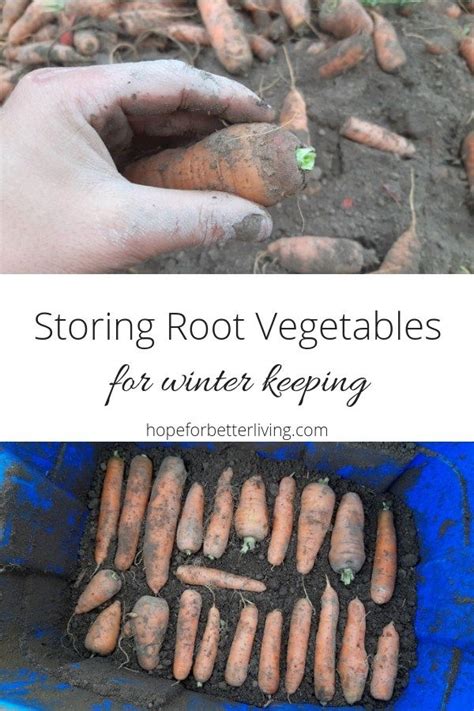
A thick layer of organic mulch is a gardener’s best friend for season extension. Apply 4-6 inches of straw, shredded leaves, or wood chips around your plants in late summer or early fall. Mulch helps to insulate the soil, keeping it warmer for longer and protecting roots from freezing. This is particularly beneficial for root crops like carrots, parsnips, and beets, which can often be left in the ground under a heavy mulch layer and harvested as needed well into winter, even after light snowfalls.

Consider DIY Mini Hoop Tunnels
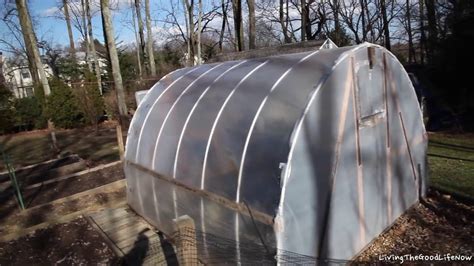
For a step up from row covers but still far from a full greenhouse, consider creating simple DIY hoop tunnels. Using flexible PVC pipes or sturdy wire bent into arches, secure them over your garden beds. Drape heavy-duty clear plastic sheeting (often available at hardware stores) over the hoops, securing the edges with rocks, soil, or clamps. These temporary structures provide significant thermal protection, extending your growing season by several weeks, especially for leafy greens and hardy herbs.
In-Ground Storage and Late Harvest
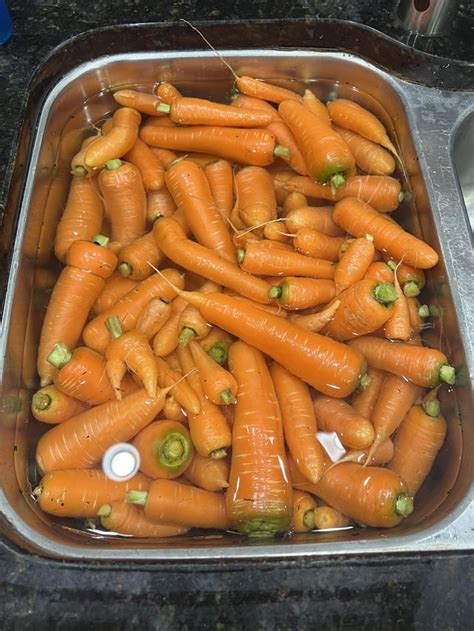
Some root vegetables are perfectly happy to stay in the ground, becoming a natural ‘root cellar’ if protected. Carrots, parsnips, sunchokes, and some turnip varieties can be left in the ground under a deep blanket of mulch (as mentioned above) and harvested on milder days throughout fall and early winter. The ground acts as insulation, and the cold can even improve their flavor. Just be sure to harvest before the ground freezes solid and makes digging impossible.
Conclusion
Extending your garden’s harvest into late fall in Zone 6 without a greenhouse is not only achievable but also incredibly rewarding. By strategically selecting cool-season crops, employing simple protective structures like cold frames and row covers, utilizing generous mulching, and even leveraging your garden beds for in-ground storage, you can continue to enjoy fresh, homegrown produce long into the colder months. These low-cost, low-tech solutions prove that with a little ingenuity, your garden can keep giving well beyond the traditional growing season.