How can I preserve fresh garden herbs for winter use without freezing?
Beyond the Freezer: Non-Freezing Herb Preservation Methods
As the gardening season winds down, many home gardeners face the delightful dilemma of an abundance of fresh herbs. While freezing is a popular method, it’s not the only way to enjoy your aromatic bounty through the colder months. Preserving herbs without freezing can often enhance their flavor profile, offer new culinary applications, and save precious freezer space. Let’s explore several time-honored techniques that will keep your kitchen stocked with garden goodness all winter long.
Drying Herbs: The Classic Approach
Drying is perhaps the most traditional and simplest method for preserving herbs. It concentrates their flavors and allows for long-term storage in a pantry. Nearly all herbs can be dried, though some retain their flavor better than others (e.g., oregano, thyme, rosemary, bay leaves, sage, mint).
Air Drying for Aromatic Herbs
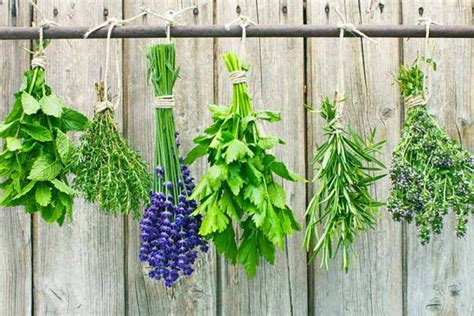
Air drying is ideal for herbs with lower moisture content and sturdy stems. Simply gather small bunches, tie them at the stem ends, and hang them upside down in a warm, dry, well-ventilated area away from direct sunlight. A brown paper bag with holes can be placed over the bunches to catch any falling leaves and protect them from dust. Depending on humidity and herb type, this process can take one to three weeks.
Oven and Dehydrator Drying for Efficiency
For a quicker method, a food dehydrator or even a conventional oven on its lowest setting can be used. Spread herbs in a single layer on dehydrator trays or baking sheets. Dehydrators offer controlled, low heat for even drying. If using an oven, set it to the lowest temperature (preferably 100-120°F / 38-49°C) and leave the door slightly ajar to allow moisture to escape. Check frequently, turning the herbs, until they are brittle and crumbly. This usually takes a few hours.
Preserving in Salt: Flavorful Seasonings
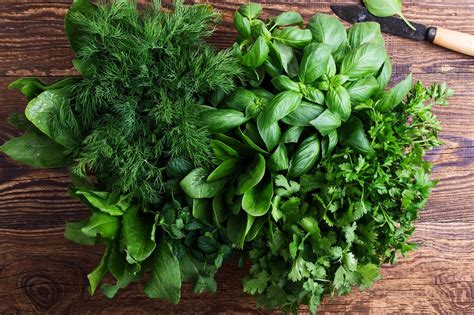
Salt has been used for centuries as a natural preservative. Infusing salt with herbs not only preserves the herbs (to a degree, as the salt draws out moisture) but also creates a wonderfully flavored seasoning that can be used in countless dishes. This method works well for most herbs, especially rosemary, thyme, sage, and citrus zest.
To make herb salt, finely chop your fresh herbs and mix them thoroughly with coarse sea salt. The ratio can vary, but a good starting point is 1 part herbs to 3-4 parts salt. Spread the mixture on a baking sheet and allow it to air dry for several days, or place it in a very low oven (as described for drying) for a few hours, stirring occasionally, until the mixture is completely dry. Store in an airtight container.
Infusing Oils and Vinegars: Liquid Gold
Infused oils and vinegars are fantastic ways to capture the essence of your herbs for salad dressings, marinades, or cooking. Always exercise caution with oil infusions to prevent botulism; only make small batches for immediate use, or ensure proper acidification if planning for longer storage.
Herbal Oils (with a note on safety)
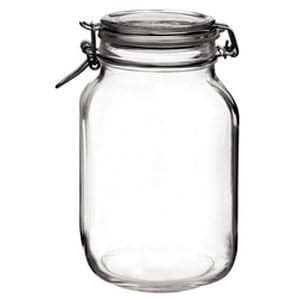
For quick use (within 1-2 weeks), loosely pack clean, dry herbs into a sterilized jar and cover completely with a quality oil (like olive or grapeseed). Seal and let infuse in a cool, dark place for 1-2 weeks, shaking daily. Strain the herbs out before storing the oil in the refrigerator. To ensure safety for longer-term storage, acidify the herbs (e.g., by blanching them in vinegar) before infusing, or use commercially safe methods.
Flavorful Herb Vinegars
Herb vinegars are safer for long-term storage than oils. Simply bruise fresh, clean herbs and place them in a sterilized bottle or jar. Fill with good quality vinegar (white wine, apple cider, or rice vinegar work well). Seal tightly and let infuse in a cool, dark place for 2-4 weeks, shaking occasionally. Strain the herbs out and bottle the infused vinegar. Add a fresh sprig of the herb to the bottle for decorative purposes, if desired. Rosemary, thyme, tarragon, basil, and dill are excellent choices.
Making Herb Powders and Blends
Once your herbs are thoroughly dried, you can transform them into versatile powders and custom blends. This is especially useful for herbs like bay leaves, rosemary, or sage, which can be tough or woody when whole.
Simply crumble the dried herbs by hand or use a mortar and pestle, or a clean coffee grinder, to create fine powders. You can then mix and match these powders to create your own signature spice blends for rubs, sauces, or seasonings. Store these powders in airtight jars in a cool, dark pantry to maintain their potency for many months.
Harvesting and Storage Tips for Optimal Results
- Harvesting: Pick herbs in the morning after the dew has dried but before the sun gets too hot, as this is when their essential oils are most concentrated.
- Cleaning: Gently rinse herbs if necessary and pat them thoroughly dry before any preservation method. Moisture is the enemy of preservation.
- Storage: Always store dried herbs, herb salts, and infused vinegars in airtight containers in a cool, dark place to protect them from light, heat, and humidity, which degrade flavor and color.
- Labeling: Don’t forget to label your jars with the herb name and the date of preservation!
Conclusion
Preserving your garden herbs without freezing opens up a world of culinary possibilities and ensures you have access to their fresh, vibrant flavors even when snow covers your garden beds. Whether you choose to dry them, salt them, or infuse them, these non-freezing methods are rewarding ways to extend the harvest and bring a piece of your summer garden into the heart of winter cooking.