



How can kids learn real food skills via daily garden chores?

Cultivating Knowledge: The Garden as a Classroom
In a world increasingly disconnected from the origins of our food, the backyard garden offers a powerful antidote. Beyond just growing produce, a garden, especially when maintained through daily chores, becomes an interactive classroom where children can cultivate real, tangible food skills. These aren’t just about planting seeds; they’re about understanding cycles, appreciating effort, and developing a foundational relationship with what they eat.

Understanding Food Origins: From Seed to Plate
One of the most fundamental food skills is knowing where food comes from. When kids plant seeds or seedlings, they literally put their hands in the dirt and begin to understand the journey of food. Daily chores like sowing seeds, transplanting young plants, and even amending the soil teach them about germination, the necessary conditions for growth, and the incredible transformation from a tiny seed to a nutrient-rich vegetable. This direct experience bypasses abstract concepts, making the connection between the earth and their plate undeniable.
Nurturing Responsibility and Patience: The Art of Caretaking
Garden chores aren’t instant gratification. Watering daily, carefully weeding around fragile sprouts, or protecting plants from pests instills a sense of responsibility and patience. Children learn that healthy food requires consistent care and attention. They observe the slow but steady growth, understanding that food doesn’t magically appear on grocery shelves. This nurturing process builds empathy for living things and teaches them about the interconnectedness of nature, vital lessons for understanding sustainable food systems.

Observing Cycles and Seasonality: Nature’s Calendar
Regular involvement in the garden exposes children to the natural cycles of growth, decay, and rebirth. They learn firsthand about seasonality – which plants thrive in certain weather, when fruits are ripe for picking, and when a plant has completed its life cycle. Weeding teaches them to identify different plants, distinguishing between desired crops and opportunistic weeds. This direct observation helps them appreciate fresh, seasonal produce and understand why certain foods are more abundant at different times of the year, informing healthier eating choices.
The Joy of Harvest: From Garden to Kitchen
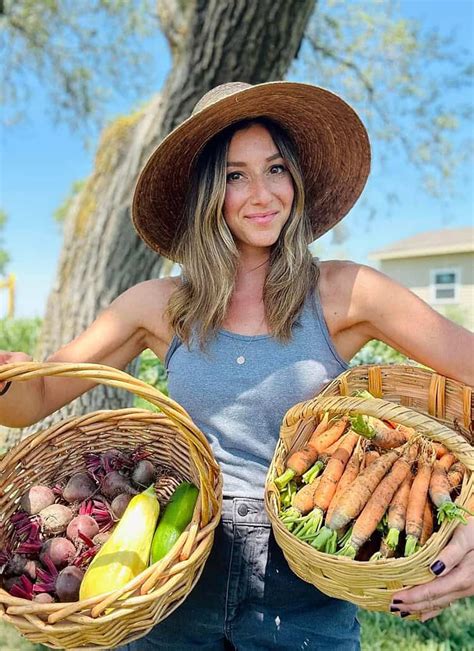
Perhaps the most rewarding chore for kids is harvesting. Plucking a ripe tomato, digging up carrots, or snipping fresh herbs provides immediate, delicious gratification. This process teaches them about ripeness, proper harvesting techniques, and the importance of washing produce. It often sparks excitement about trying new foods, as they are more likely to eat what they have grown themselves. Bringing their bounty indoors naturally transitions into basic food preparation skills, like washing vegetables, hulling strawberries, or snipping herbs for a meal.
Beyond the Garden Bed: Composting and Waste Reduction
Daily garden chores can extend beyond planting and harvesting to include sustainable practices like composting. Children can learn to collect kitchen scraps and garden waste, understanding how they decompose to enrich the soil for future crops. This teaches them about waste reduction, resourcefulness, and the circular nature of nutrients. It’s an invaluable lesson in environmental stewardship and a practical skill for minimizing food waste, connecting the garden to broader ecological responsibility.
Growing More Than Food: Life Skills for the Future
Engaging children in daily garden chores is more than just a fun activity; it’s an investment in their future health and well-being. From understanding where their food comes from and appreciating the effort involved in its production, to developing patience, responsibility, and an adventurous palate, gardening provides a holistic education in food literacy. It fosters a deeper connection to nature, promotes healthy eating habits, and equips them with practical life skills that will serve them long after the growing season ends. So, grab some small gardening tools and let the learning begin!