




How can ‘real food’ BTS of kitchen mishaps build reader trust and foster community?

The polished veneer of food photography and perfectly executed recipes often dominates the culinary content landscape. Yet, beneath the glossy surface lies the reality of cooking – a world filled with spills, burnt edges, collapsed cakes, and forgotten ingredients. Embracing and showcasing these ‘real food’ behind-the-scenes (BTS) kitchen mishaps is not a weakness but a powerful strategy to forge deeper connections with your audience, cultivate trust, and build a thriving community.
The Irresistible Appeal of Imperfection
In a digital age saturated with curated perfection, authenticity cuts through the noise. Readers are increasingly wary of content that feels too polished or unattainable. When creators only present faultless outcomes, it can create a disconnect, making the audience feel inadequate or that the creator’s skills are beyond reach. Sharing a culinary blunder, however, instantly humanizes the person behind the screen. It signals vulnerability, relatability, and a refreshing honesty that is both rare and highly valued. It transforms a perceived expert into a fellow journeyer in the kitchen.
Building Unbreakable Bonds of Trust
Trust is the bedrock of any loyal audience. When you’re willing to show your kitchen missteps, you’re demonstrating profound transparency. This vulnerability fosters an unspoken agreement with your readers: “I’m not perfect, and that’s okay.”
- Relatability: Everyone, from novice cooks to seasoned chefs, has experienced a kitchen fail. Sharing yours creates an immediate point of connection and empathy. “I’ve been there!” is a common sentiment.
- Credibility: Paradoxically, admitting mistakes can boost your credibility. If you’re honest about your failures, your successes and expertise seem all the more genuine and earned, rather than fabricated or effortlessly achieved.
- Authenticity: It shows that your content isn’t just a highlight reel, but a genuine portrayal of the cooking process, complete with its challenges and learning curves. This builds a reputation for honesty that resonates deeply.
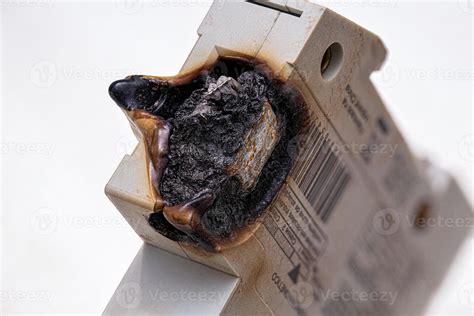
Cultivating a Vibrant, Engaging Community
Beyond trust, sharing kitchen mishaps is a potent catalyst for community building. It transforms a one-way broadcast into a dynamic, interactive conversation.
- Shared Experience & Solidarity: Your mishap can become a common ground where readers share their own similar stories, tips, and even commiserate. This collective experience reinforces the feeling of belonging.
- Increased Engagement: A picture of a collapsed souffle or a story about an exploding blender is far more likely to spark comments, questions, and advice than another flawless plate. Readers become invested, offering solutions, sharing encouragement, or simply expressing their amusement.
- A Safe Space for Learning: By openly discussing your failures, you create an environment where others feel comfortable asking “dumb questions” or admitting their own struggles without fear of judgment. This collective problem-solving and shared learning elevate the entire community.

Strategies for Effectively Sharing Your Culinary Calamities
To leverage kitchen mishaps effectively, consider these approaches:
- Visual Evidence: Photos or short videos of a cooking disaster can be incredibly impactful and often humorous. A picture speaks a thousand words, especially when it’s a visibly failed dish.
- Storytelling with a Twist: Don’t just show the fail; tell the story behind it. What went wrong? What was the intended outcome? What did you learn from it? Infuse humor and self-deprecation.
- Turning Fails into Lessons: Position the mishap as a learning opportunity. Did you forget an ingredient? Misunderstand a technique? Explain how you’ll avoid it next time or how you salvaged the dish. This adds practical value for your audience.
- Prompting Interaction: Explicitly ask your audience to share their own kitchen woes in the comments. This invites active participation and strengthens community bonds.

By intentionally weaving these ‘real food’ BTS moments into your content, you do more than just entertain. You build a brand rooted in authenticity, humanity, and genuine connection. Your audience will not only appreciate your transparency but will also feel more connected, understood, and a valued part of your culinary journey. Embracing imperfection isn’t just good for your audience; it’s a liberating and enriching approach to content creation itself.