
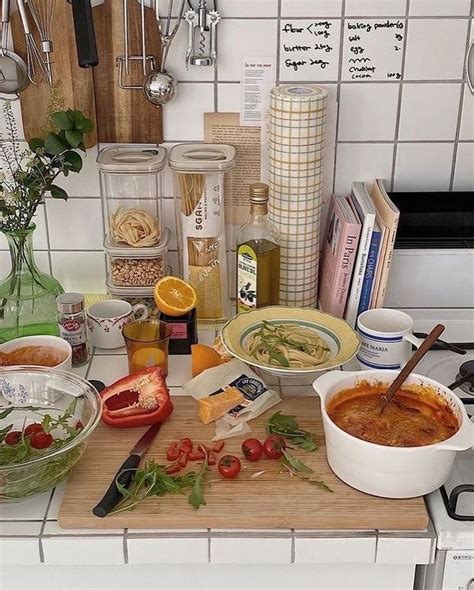

How can we show ‘real food’ process BTS authentically without making it look messy?

The Art of Authentic Food BTS: Beyond the Mess
In an age where transparency and authenticity are highly valued, showing the ‘behind the scenes’ (BTS) process of food creation has become a powerful way to connect with audiences. People love to see the journey from raw ingredients to a finished dish. However, the raw process of cooking can often be messy – flour flying, spills happening, multiple utensils scattered. The challenge lies in showcasing this ‘real food’ process authentically without sacrificing visual appeal or making the scene look chaotic and unappetizing. It’s about finding the delicate balance between genuine grit and polished presentation.
Why Authenticity Matters in Food Content
Consumers today are savvy. They crave connection and trust, and seeing the genuine effort and passion that goes into preparing food fosters both. Authentic BTS content humanizes your brand, builds credibility, and helps viewers appreciate the craftsmanship involved. It’s not about hiding imperfections entirely, but rather about presenting the process in a way that feels honest, engaging, and professional. The goal is to invite viewers into your culinary world, not to overwhelm them with disarray.
Strategic Planning: The Foundation of Cleanliness
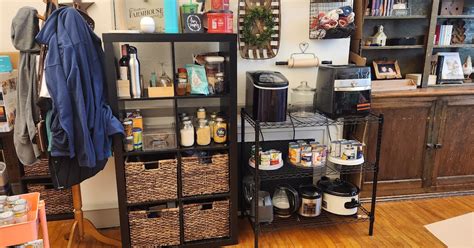
The first step to a tidy BTS is meticulous planning. Before the cameras even roll, embrace the principle of ‘mise en place’ (everything in its place) not just for cooking, but for your filming setup. Organize all ingredients, pre-measure where possible, and arrange your tools logically. A clear workflow plan for each cooking step will naturally reduce on-the-fly clutter and frantic searching, allowing you to focus on the process itself.
Mastering the Frame: Composition Over Chaos
The camera is your greatest tool for controlling the perception of mess. Utilize strategic framing and composition to your advantage:
- Tight Shots: Focus on hands, specific ingredients, or the hero action (e.g., slicing, stirring, drizzling). This naturally crops out peripheral clutter.
- Shallow Depth of Field: Blur out the background to make your subject pop. Any minor mess outside the focal point will become an unidentifiable, soft blur.
- Intentional Angles: Experiment with angles that highlight the cleanest, most visually appealing parts of your workspace. Shoot from above, or at eye-level to capture the action cleanly.

Maintaining a Controlled Environment On-Set
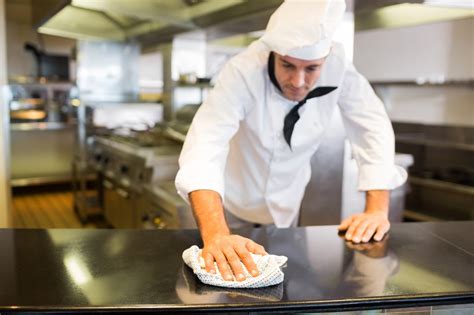
While cooking can be dynamic, your filming environment doesn’t have to be. Designate a ‘clean zone’ where the primary action takes place, and a ‘mess zone’ (out of frame) for discarded peels, used utensils, or excess ingredients. Regularly perform quick ‘tidy-ups’ between takes or steps. A dedicated assistant for cleaning and organizing can be invaluable. Even small details, like having a damp cloth nearby to wipe spills immediately, contribute to a polished look.
The Transformative Power of Lighting and Editing
Good lighting can make even a simple setup look professional. Utilize soft, natural light or diffused artificial light to highlight textures, colors, and the freshness of ingredients, rather than shadows that emphasize clutter. In post-production, editing is where you truly refine the ‘real food’ narrative. Trim out awkward fumbles, excessive mess, or lengthy pauses. Use quick cuts, speed ramps, and B-roll footage of clean elements or finished dishes to maintain momentum and visual appeal. Focus on showing the satisfying transformation of ingredients.
Embracing ‘Controlled Imperfection’ for Relatability
Authenticity doesn’t mean clinical perfection. A light dusting of flour, a perfectly placed drizzle mark, or a few artfully scattered herbs can add character and a sense of ‘realness’ without looking messy. The key is intentionality. Every visible element should serve a purpose or contribute to the overall aesthetic. It’s about showcasing the beauty in the process, not just the pristine final product, through thoughtful staging and execution.
Conclusion: Authenticity with Aesthetic Grace
Showing the ‘real food’ process BTS doesn’t have to be a battle between authenticity and aesthetics. With strategic planning, smart framing, disciplined on-set practices, and intelligent post-production, you can create engaging, trustworthy content that celebrates the culinary journey. Embrace the genuine process, but always present it with grace and visual thoughtfulness. Your audience will appreciate the transparency and be inspired by the beauty of real food being made.