



How can we teach kids scratch cooking & simple living skills?

Why Teach Kids Scratch Cooking and Simple Living?
In a world increasingly reliant on convenience and consumerism, equipping children with the foundational skills of scratch cooking and simple living is more crucial than ever. These abilities go beyond mere domestic tasks; they foster independence, resilience, creativity, and a deeper connection to the food they eat and the resources they consume. From understanding where food comes from to appreciating the value of repairing over replacing, these lessons are vital for raising capable, conscious adults.

Starting Early with Scratch Cooking
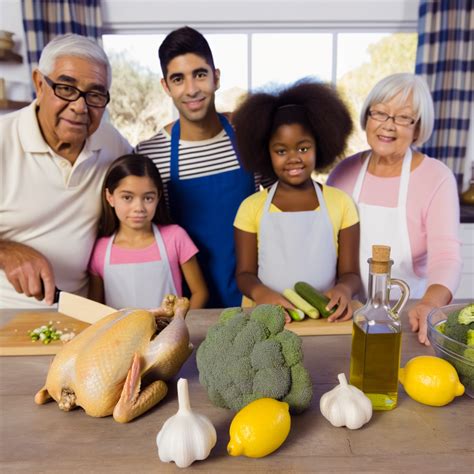
The kitchen is an ideal classroom. Begin by involving children in age-appropriate tasks. Toddlers can wash vegetables or stir ingredients. Older children can measure, chop with supervision, or read recipes. The key is to make it an inviting, hands-on experience rather than a chore. Start with simple recipes like scrambled eggs, fruit salad, or basic pasta dishes. As they gain confidence, introduce more complex meals, explaining the ‘why’ behind each step – why we sauté onions, why yeast makes bread rise.
Encourage experimentation and allow for mistakes. A burnt cookie or a lumpy sauce provides a valuable learning opportunity. Discuss nutrition in practical terms: which foods give us energy, which help us grow strong. Involving them in meal planning and grocery shopping also connects the dots between ingredients, cost, and the final dish, laying groundwork for future budgeting skills.
Embracing the Principles of Simple Living
Simple living isn’t about deprivation; it’s about intentionality and appreciating what you have. Introduce concepts like ‘reduce, reuse, recycle’ through everyday actions. For instance, instead of buying new, encourage mending clothes, repairing toys, or upcycling household items into crafts. Teach them about the environmental impact of consumption and how their choices can make a difference.

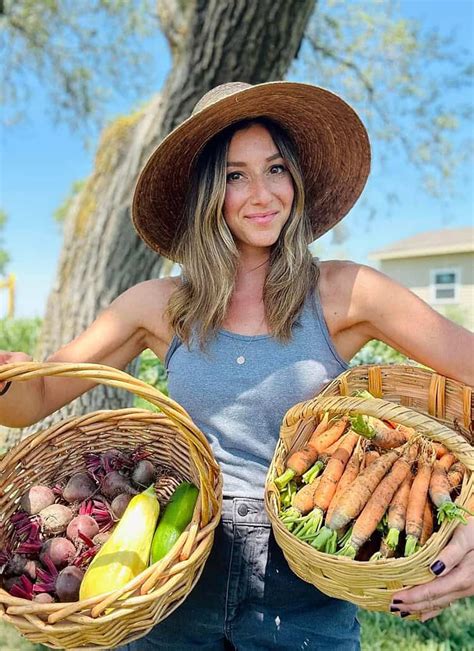
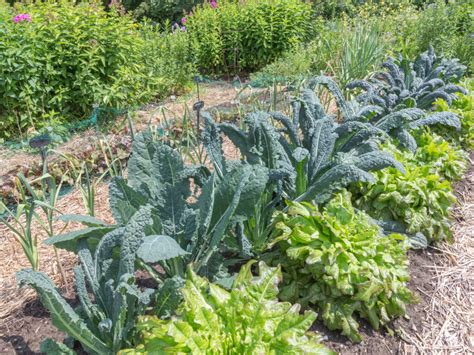
Gardening, even a small herb pot, is an excellent way to teach patience, the cycle of life, and the reward of growing your own food. It connects them to nature and provides a tangible example of self-sufficiency. Discuss budgeting and saving money, showing them how to prioritize needs over wants. Weekend activities can shift from shopping trips to nature walks, library visits, or creating something together at home.
Making it Fun and Engaging
Learning these skills doesn’t have to be rigid. Turn cooking into a game: a ‘Chopped’ style challenge with mystery ingredients, or a family bake-off. For simple living, create a ‘fix-it’ station for minor repairs, or challenge them to find new uses for old items. Storytelling and reading books about homesteading or sustainability can also spark their interest and imagination.

Lead by example. If children see you enjoying cooking from scratch, mending clothes, or spending time outdoors instead of constantly buying new things, they are more likely to adopt these values themselves. Make it a family affair, turning tasks into bonding opportunities rather than individual responsibilities.
Overcoming Challenges and Fostering Patience
There will be messes in the kitchen, frustration with tricky tasks, and perhaps even resistance. Patience is key. Remember that the goal is not perfection, but the development of confidence and competence. Break down complex tasks into smaller, manageable steps. Offer encouragement and praise effort over flawless execution.

Focus on the long-term benefits: the satisfaction of eating a meal they prepared, the pride in fixing something broken, and the understanding of a more sustainable lifestyle. These skills are invaluable gifts that will serve them throughout their lives, fostering self-reliance and a thoughtful approach to the world around them.
By intentionally teaching scratch cooking and simple living skills, we’re not just preparing children for adulthood; we’re empowering them to lead healthier, more fulfilling, and more responsible lives.