
How do country families make homemade, real food meals quick and easy on busy weeknights?

Life in the country often means early mornings, long days filled with chores, school, and work, and the constant desire to feed your family nourishing, homemade meals. The idea of ‘real food’ – made from scratch with wholesome ingredients – can feel like an insurmountable challenge on a busy weeknight. However, rural families have perfected strategies to make this a sustainable reality. It’s less about having endless time and more about smart planning, efficient execution, and embracing a simpler approach to cooking.
The Foundation: Strategic Meal Planning
For country families, a well-thought-out meal plan is the cornerstone of weeknight success. This isn’t just about knowing what you’ll cook, but about leveraging what you have. Many rural households have gardens, livestock, or access to local farm produce, making seasonal eating and utilizing harvests a natural part of the planning process. Planning also includes checking the pantry and freezer, reducing trips to the store, which can be quite a drive for those in remote areas. A weekly or even bi-weekly plan allows for grocery lists to be optimized and ensures ingredients are on hand when needed.

Consider theme nights (e.g., ‘Taco Tuesday,’ ‘Pasta Wednesday’) or designate days for specific types of meals (slow cooker, oven-baked) to simplify decision-making. Thinking ahead about how leftovers can be repurposed for lunch or another dinner is also key to minimizing waste and maximizing efficiency.
Mastering the Art of Batch Cooking and Freezing
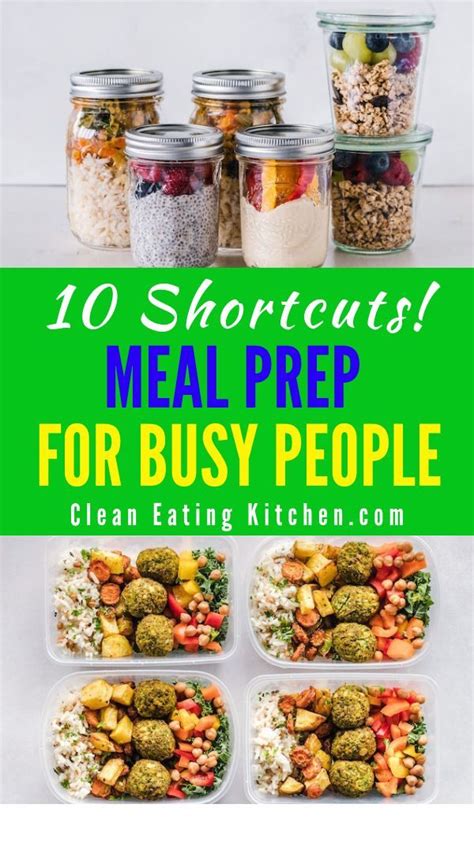
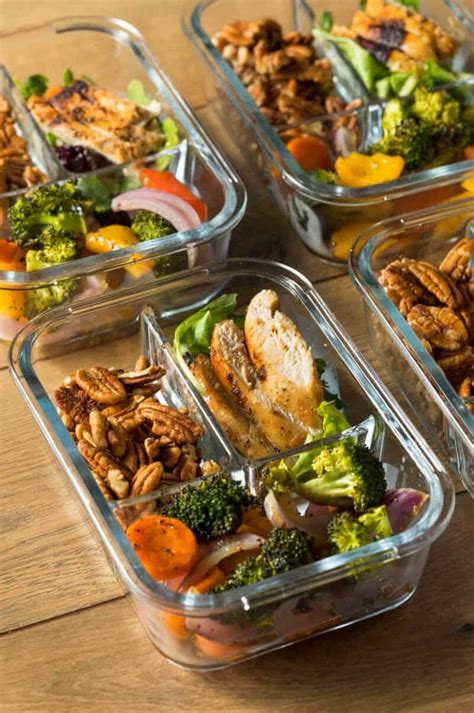
When time is precious during the week, dedicating a few hours on the weekend or a quieter day to ‘batch cook’ can be a game-changer. This involves preparing large quantities of foundational ingredients that can be used in multiple meals throughout the week. Examples include:
- Cooking a large pot of grains (rice, quinoa, farro).
- Baking several chicken breasts or roasting a whole chicken.
- Chopping vegetables for salads, stir-fries, or roasts.
- Making a big batch of sauce (marinara, pesto, chili base).
Freezing is another powerful tool. Cooked beans, shredded meats, homemade broths, and even complete casseroles can be frozen in individual portions or family-sized servings, ready to be thawed and reheated on a moment’s notice. This transforms a freezer into a personal convenience store, stocked with nutritious, homemade options.
Embracing Simple, Wholesome Recipes
Country cooking doesn’t always mean elaborate, multi-course meals. Often, it’s about simplicity and letting quality ingredients shine. Quick and easy recipes are favored, particularly those that minimize cleanup.
- One-Pot/One-Pan Meals: Sheet pan dinners, stir-fries, or large skillet meals combine protein, vegetables, and often a starch, cooking them all together for minimal fuss.
- Slow Cooker/Instant Pot: These appliances are beloved for their ability to transform tough cuts of meat and simple ingredients into tender, flavorful meals with minimal hands-on time. Prep in the morning, and dinner is ready by evening.
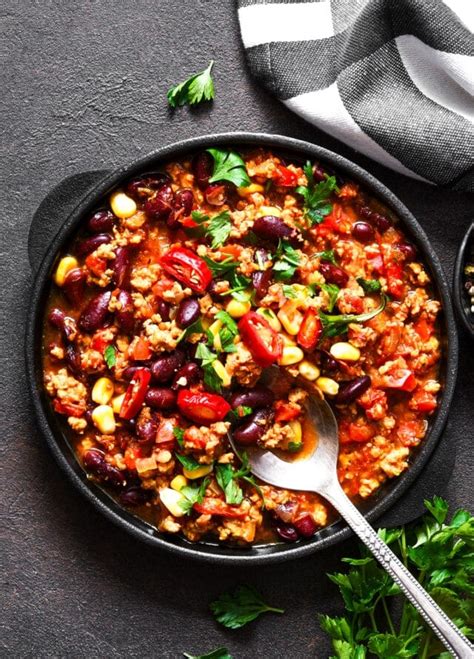
- Soups and Stews: Hearty soups and stews are excellent for using up garden produce and leftovers, and they often taste even better the next day. They can be made in large batches and frozen.
Focusing on recipes with few ingredients that are easy to source locally or from the garden streamlines the cooking process without sacrificing flavor or nutrition.
Leveraging Your Land: Garden Fresh and Local Sourcing
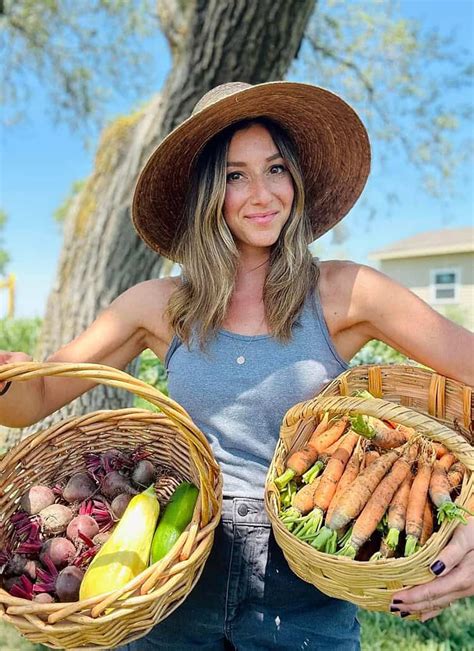
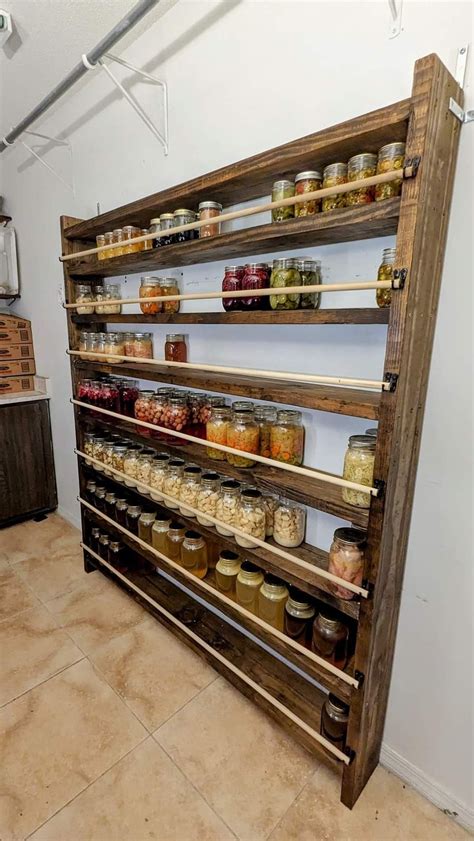
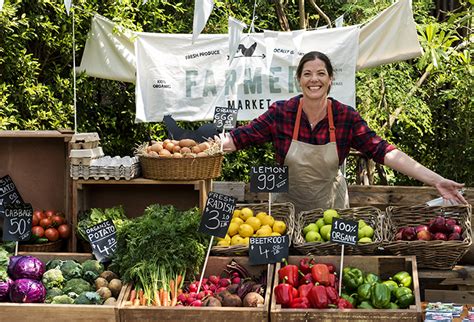
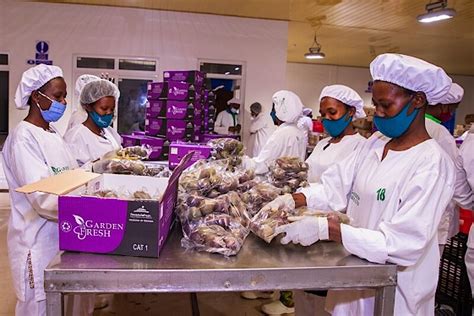
One of the greatest advantages for country families is direct access to fresh, real food. Gardens provide an abundance of seasonal vegetables and herbs. Learning basic preservation techniques like canning, freezing, and drying extends the harvest through colder months, ensuring a steady supply of nutritious ingredients. Farmers’ markets, roadside stands, and local farm shares offer opportunities to buy directly from producers, supporting the community and getting the freshest possible ingredients.
This direct connection to food often means a deeper understanding of where food comes from and an appreciation for its natural flavors, which in turn encourages simpler cooking methods that highlight these qualities.
Kitchen Efficiency and Smart Hacks
Beyond planning and cooking methods, the way a kitchen is managed plays a significant role in weeknight ease. A few smart habits can make a big difference:
- Clean As You Go: Washing dishes and wiping down surfaces while cooking prevents a daunting cleanup task after the meal.
- Organized Pantry and Fridge: Knowing exactly what you have and where it is saves time and reduces waste.
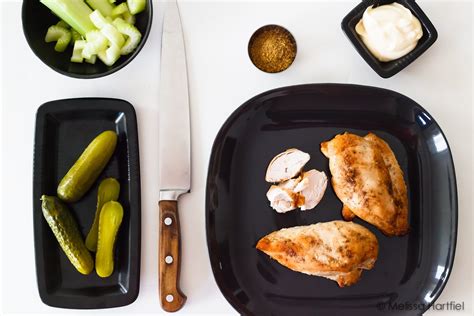
- Essential Tools: Investing in good quality, multi-functional kitchen tools (e.g., a sharp knife, sturdy cutting board, versatile skillet) can speed up prep and cooking.
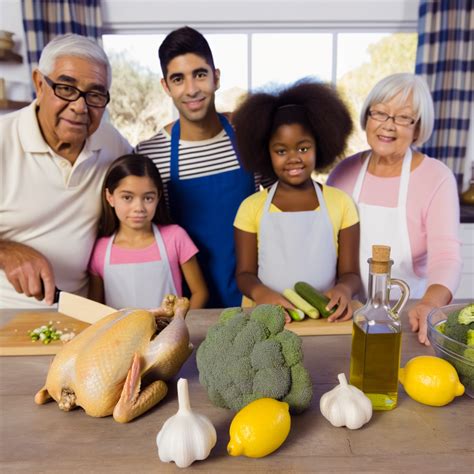
- Involve the Family: Even young children can help with simple tasks like washing vegetables, setting the table, or stirring, turning meal prep into a shared family activity.
Conclusion: Real Food, Real Easy
Making homemade, real food meals quick and easy on busy weeknights is an achievable goal for country families. It’s a testament to resourcefulness, tradition, and a deep connection to the land. By implementing strategic meal planning, embracing batch cooking and freezing, opting for simple yet wholesome recipes, leveraging garden-fresh and local ingredients, and maintaining kitchen efficiency, these families ensure that delicious, nourishing meals remain a comforting and central part of their busy lives. It proves that with a little forethought and a lot of heart, ‘real food’ can truly be ‘real easy.’