
How do country families make time for real food & homemade traditions?
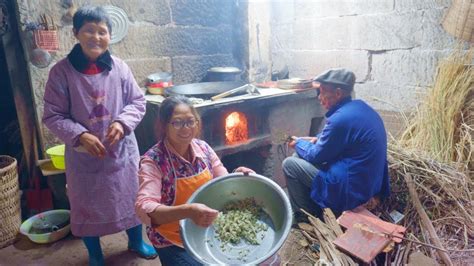
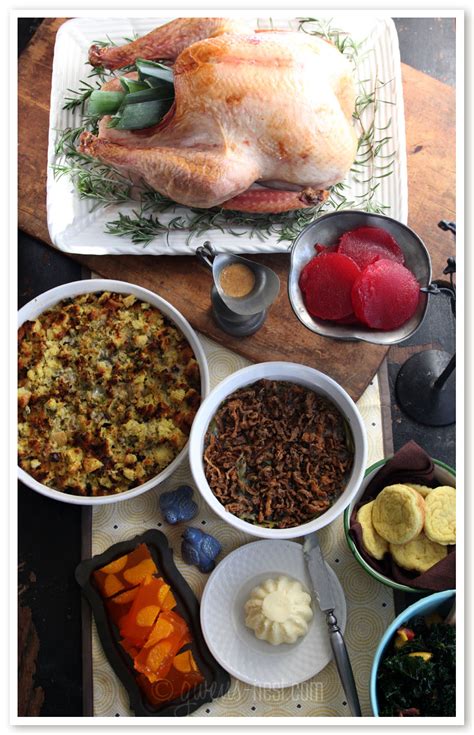
In an era of fast food and endless commitments, the image of a country family gathering around a table laden with home-cooked fare or engaged in age-old traditions can seem idyllic, almost unattainable. Yet, for many living outside the urban sprawl, cultivating a lifestyle rich in real food and homemade practices isn’t just a nostalgic dream—it’s a deliberate choice and a core part of their identity. The question isn’t whether they value these things, but how, amidst the demands of farm work, homeschooling, and modern life, do they manage to make time for it?
The Heartbeat of Rural Living: Why It Matters
For country families, real food and homemade traditions are often more than just preferences; they are foundational pillars. There’s an inherent connection to the land, an understanding of where food comes from, and a desire to provide nourishing meals that sustain hard work and foster strong family bonds. These traditions—whether it’s canning summer produce, baking bread from scratch, or crafting handmade gifts—are passed down through generations, imparting valuable skills and creating lasting memories that anchor the family in a fast-changing world.
Intentional Planning: The Cornerstone of Success
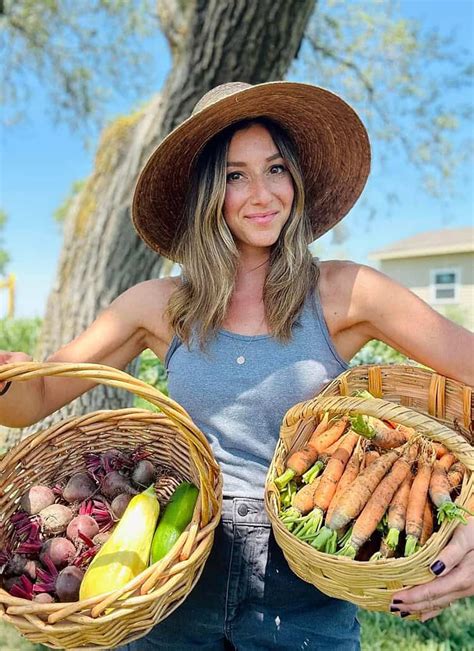
One of the most significant ways country families carve out time for real food and traditions is through meticulous planning. This isn’t spontaneous; it’s scheduled. Meal planning for the week or even the month becomes crucial, often dictating what needs to be harvested from the garden or purchased in bulk. They embrace seasonality, planning meals around what’s fresh and abundant, which naturally reduces costs and complexity. Large-scale gardening isn’t just a hobby; it’s a strategic food source that requires foresight and consistent effort.
Embracing the “Whole Family” Approach
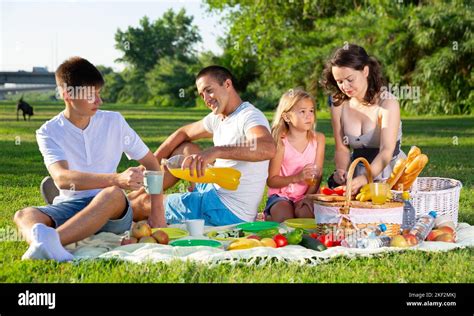
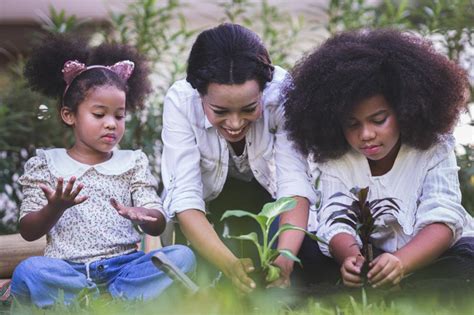
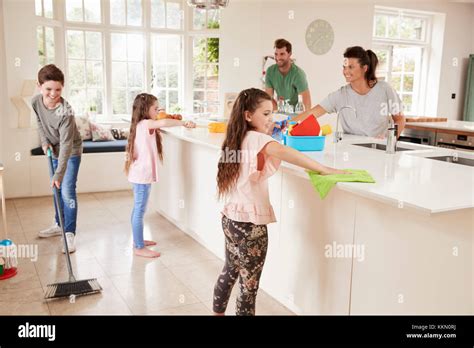
Homemade traditions thrive when everyone is involved. Children in country families often grow up learning practical skills from a young age, whether it’s helping in the garden, assisting with food preservation, or stirring a pot on the stove. These aren’t just chores; they’re opportunities for teaching, bonding, and instilling a sense of contribution and self-sufficiency. Tasks that might seem daunting for one person become manageable and even enjoyable when shared, turning work into quality family time.
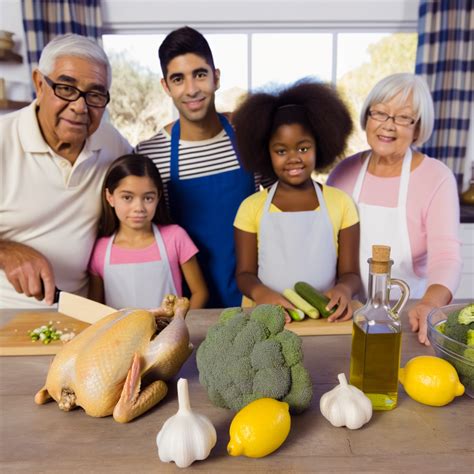
Grandparents and extended family often play a vital role, sharing heirloom recipes, techniques, and wisdom that keep traditions alive and relevant. This intergenerational transfer of knowledge not only preserves heritage but also provides a built-in support system for busy parents.
Batch Cooking, Preserving, and Community Support
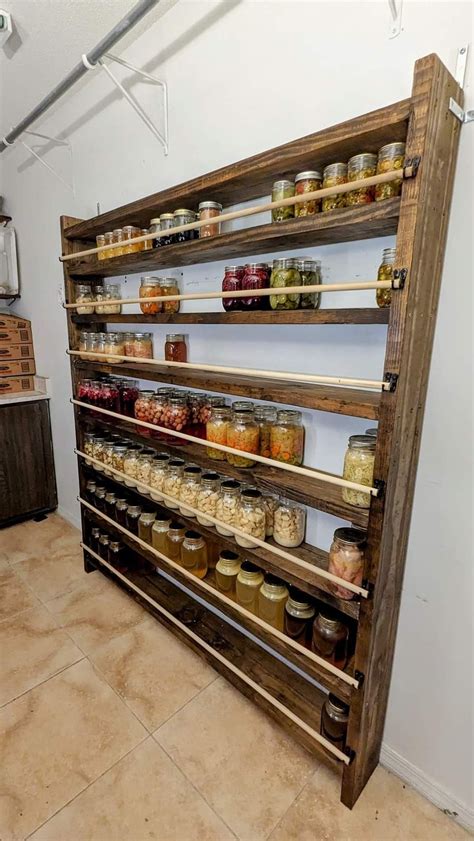
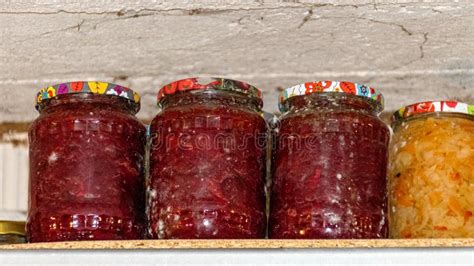
Maximizing efficiency is key. Country families are masters of batch cooking and food preservation. A day dedicated to canning tomatoes, freezing berries, or smoking meats means less daily cooking later on. These activities, often done in large quantities, ensure a pantry stocked with wholesome ingredients ready for quick, nutritious meals. This resourcefulness extends to leveraging surplus, be it from their own harvest or shared by neighbors, reducing waste and strengthening community ties.
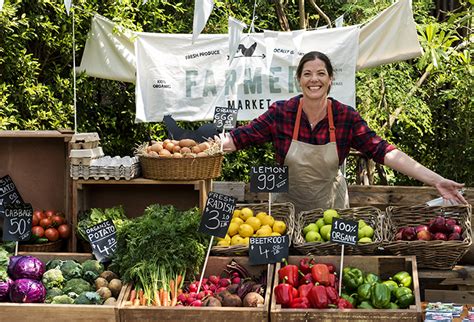
The concept of community extends beyond sharing produce. Potlucks, shared meals, and informal exchanges of goods and services are common. Neighbors might trade garden surpluses for homemade preserves, or help each other with large tasks, creating a network of support that makes pursuing a traditional, real-food lifestyle more feasible and enjoyable.
Simplifying for What Truly Matters
Perhaps the most profound strategy is a commitment to simplifying other areas of life. Country families often make conscious choices to limit extracurricular activities that detract from family time, resist the pressure of consumerism, and focus on experiences over material possessions. This intentional slowing down creates the mental and physical space needed to prioritize cooking, crafting, and spending unhurried time together. They find joy not in perfection, but in the process and the togetherness it fosters.
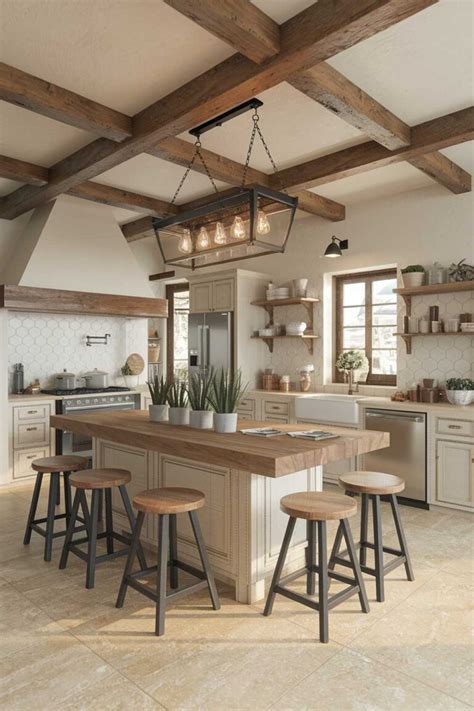
Ultimately, making time for real food and homemade traditions in a country setting is a testament to values. It’s about choosing quality over convenience, connection over busyness, and sustainability over speed. It requires dedication, organization, and a willingness to get everyone involved, but the rewards—a strong, resilient family, a deep connection to their food, and a rich tapestry of shared memories—are immeasurable, proving that with intention, these cherished traditions can truly thrive.