



How do I adapt classic country recipes to use seasonal garden produce effectively?

The charm of classic country recipes lies in their comforting flavors and time-honored techniques. But what if you want to infuse these beloved dishes with the vibrant freshness of your garden’s seasonal bounty? Adapting these recipes to effectively utilize homegrown produce isn’t just possible; it’s a delightful way to elevate your cooking, minimize food waste, and savor the peak flavors of your harvest.
Embrace Your Garden’s Calendar: Knowing What to Adapt
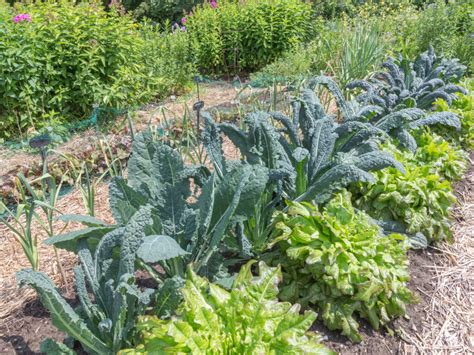
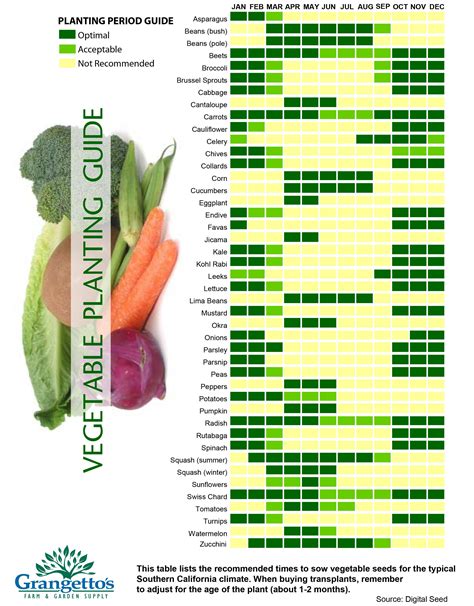
The first step in marrying classic recipes with seasonal produce is understanding what your garden is offering at any given moment. A summer bounty of tomatoes, zucchini, and bell peppers calls for different adaptations than an autumn yield of squash, root vegetables, and leafy greens. Keep a simple garden journal or mental note of your harvest schedule. This knowledge empowers you to look at a traditional recipe—say, a pot roast or a chicken pie—and immediately brainstorm compatible seasonal additions or substitutions.
Strategic Swaps: How to Substitute Effectively
When adapting, think about the role each ingredient plays in the original recipe. Is it for bulk, flavor, texture, or moisture? This helps you make smart substitutions.
1. Like-for-Like Replacements with a Twist
Often, a classic recipe might call for a generic vegetable like “mixed vegetables.” This is your golden opportunity! Replace canned or frozen mixed vegetables with a vibrant mix of fresh, seasonal greens, beans, or root vegetables. For instance, swap green beans in a casserole for fresh haricots verts, or use homegrown corn kernels instead of frozen.
2. Infusing Freshness and Aromatic Depth
Many country recipes benefit immensely from fresh herbs. A stew calling for dried thyme and bay leaf can be greatly enhanced with a generous handful of fresh rosemary, parsley, or sage from the garden. Leafy greens like spinach, kale, or chard can be wilted into soups, stews, or even folded into savory pies to boost nutritional value and add a pleasant earthy note.

3. Vegetable-Forward Volume
Consider reducing starches or meats slightly and increasing the volume of seasonal vegetables. For a shepherd’s pie, perhaps use a blend of mashed potato and mashed cauliflower or parsnip for the topping. In a hearty chili, adding extra diced zucchini, bell peppers, or even eggplant can extend the dish beautifully without compromising flavor.
4. Adjusting Cooking Times and Methods
Fresh vegetables often cook faster and retain more texture than their canned or frozen counterparts. Be mindful of this when adding them to long-simmering dishes. Add more delicate vegetables like tender peas or spinach towards the end of the cooking process to prevent them from becoming mushy. Root vegetables, on the other hand, can go in earlier to ensure they soften properly.

Flavor Harmony: Pairing Produce with Classic Profiles
Successful adaptation is all about creating a harmonious flavor profile. Think about the natural flavors of your seasonal produce. Sweet corn pairs wonderfully with creamy dishes, while tart tomatoes shine in rustic sauces. Earthy beets or carrots can bring depth to roasts. Don’t be afraid to let the natural sweetness or acidity of your garden gems lead the way, potentially reducing the need for added sugars or vinegars.
Fresh herbs are invaluable here. A sprig of dill with new potatoes, basil with summer tomatoes, or mint with fresh peas can transform a simple side dish into something extraordinary, all while staying true to the spirit of wholesome country cooking.

Embrace Experimentation and Preservation
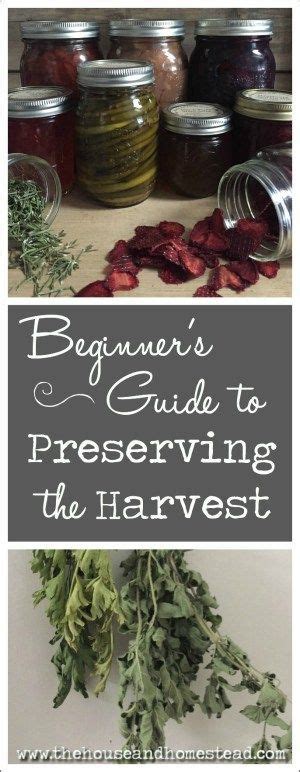
The beauty of cooking with seasonal produce is its inherent flexibility. Don’t be afraid to experiment with combinations you might not have considered before. Did you get an unexpected glut of specific produce? Think beyond the immediate meal. Many adapted country recipes can be scaled up for batch cooking and then frozen, canned, or preserved (e.g., making pickles from excess cucumbers, or tomato sauce from ripe tomatoes) for enjoyment throughout the year, truly embodying the self-sufficiency spirit of country living.
Start small, perhaps by adding a new vegetable to a familiar soup or replacing one ingredient in a beloved casserole. With each successful adaptation, you’ll gain confidence and a deeper connection to your food and the rhythm of the seasons.

Conclusion
Adapting classic country recipes to incorporate seasonal garden produce is a rewarding culinary journey. It allows you to honor tradition while celebrating the freshest ingredients your garden has to offer. By understanding your harvest, employing smart substitution strategies, and embracing a spirit of experimentation, you can create dishes that are both deeply comforting and vibrantly fresh, truly bringing the farm-to-table experience into your kitchen.