





How do I adapt old family recipes using fresh, seasonal garden ingredients?

There’s a special magic in revisiting beloved family recipes, those culinary heirlooms passed down through generations. They evoke nostalgia, comfort, and a connection to our roots. But what if you could infuse these treasured dishes with the vibrant, unparalleled freshness of ingredients straight from your garden or local market?
Embracing the Best of Both Worlds: Tradition Meets Freshness
Adapting old family recipes with seasonal garden ingredients isn’t just about healthier eating; it’s about elevating flavors, embracing sustainability, and creating new traditions. It’s a delicious fusion where time-honored techniques meet the peak of freshness, resulting in dishes that are both familiar and excitingly new.
Understanding Your Recipe’s Core
Before you start swapping, take a moment to understand the essence of your old family recipe. What are its foundational flavors? What role do specific ingredients play? Is it the hearty texture, the aromatic spices, or a particular vegetable that defines it? Identifying these core elements will guide your adaptation process, ensuring the spirit of the original dish remains intact.
- Identify Key Flavors: Is it rich, savory, sweet, tangy?
- Note Essential Textures: Creamy, crunchy, tender?
- Understand Ingredient Function: Does an ingredient provide bulk, flavor, or binding?
Smart Swaps for Seasonal Delights
This is where the fun begins! Look at your recipe with an eye for potential ingredient substitutions based on what’s abundant and fresh in your garden or at the farmer’s market.
Vegetable Substitutions
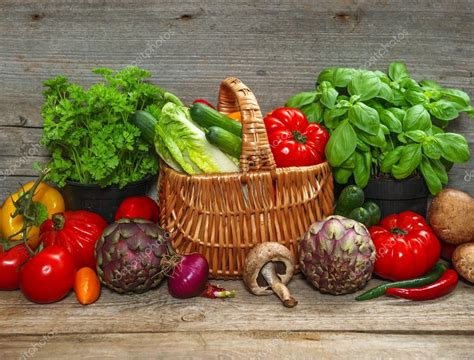
Many classic dishes call for staple vegetables that can easily be swapped. For example, a heavy winter stew might use root vegetables like potatoes and carrots. In summer, you could introduce zucchini, bell peppers, green beans, or even fresh corn. A rich tomato sauce can be enhanced with vine-ripened, intensely flavorful garden tomatoes instead of canned ones.
Herb Power-Up
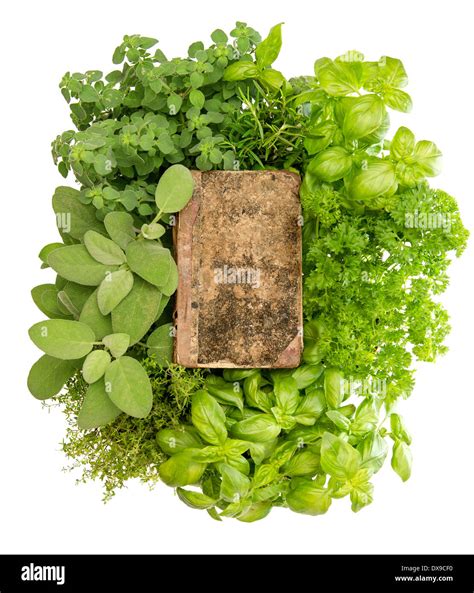
Fresh herbs are transformative. If an old recipe calls for dried herbs, consider replacing them with a larger quantity of fresh counterparts (generally 3x the amount). Basil, parsley, cilantro, dill, mint, and chives from the garden can brighten and deepen flavors in ways dried herbs simply can’t. A simple swap of dried oregano for fresh marjoram in a meat dish can create a surprisingly different, yet equally delicious, profile.
Fruitful Adaptations
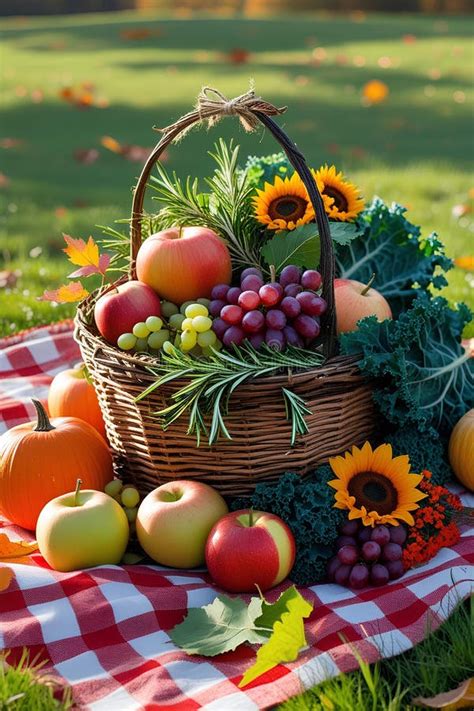
Don’t limit yourself to savory dishes. Berry crumbles can use freshly picked strawberries, blueberries, or raspberries. Apple pies can feature heritage apples from an orchard. Even savory dishes can benefit; think peaches or plums in a salad, or grilled fruit alongside meats.
Lightening and Brightening Techniques
Old family recipes, while delicious, often come from an era of richer cooking. Incorporating fresh produce naturally helps to lighten dishes.
- Reduce Fats: If a recipe uses a lot of butter or oil, consider reducing it and letting the natural moisture and flavor of fresh vegetables shine.
- Increase Vegetables: Bulk up stews, casseroles, and pasta dishes with more vegetables and slightly less meat or carbs.
- Fresh Acid & Zest: A squeeze of fresh lemon or lime juice, or a sprinkle of zest, can brighten flavors and reduce the need for excessive salt.

Taste and Adjust: The Chef’s Secret
As you adapt, taste frequently. Your garden ingredients might have different moisture content or sweetness levels than what the original recipe assumed. Adjust seasonings, liquids, and cooking times as needed. Don’t be afraid to experiment with small batches first.
Documenting Your New Traditions
Once you’ve successfully adapted a recipe, make sure to write down your changes! Note down the seasonal ingredients you used, the quantities, and any new techniques. This way, you’re not just preserving an old tradition but creating a new family heirloom – one that celebrates both heritage and the bounty of nature.
Conclusion: Cultivating Culinary Creativity
Adapting old family recipes with fresh, seasonal garden ingredients is a rewarding journey that connects you more deeply to your food, your family’s history, and the natural world. It invites creativity into the kitchen and ensures your meals are always bursting with the freshest, most flavorful ingredients. So, next time you pull out that treasured family cookbook, look out your window at your garden – or imagine the bounty of your local market – and let the inspiration flow.