




How do I adjust old-fashioned canning recipes for modern safety and ingredients?

Understanding the Evolution of Canning Safety
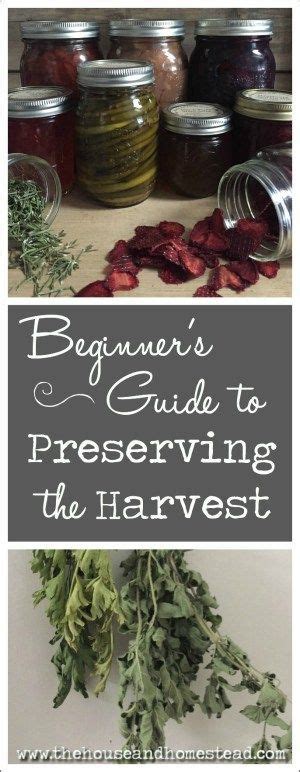
When you stumble upon grandma’s handwritten canning recipes, filled with nostalgic charm and the promise of delicious homemade goods, it’s natural to want to recreate those flavors. However, canning science has evolved significantly over the decades. What was once considered safe practice might now pose serious health risks. Adjusting these vintage recipes for modern safety standards is not just a recommendation; it’s a critical step to prevent foodborne illnesses, particularly botulism.
Why Vintage Recipes Need an Update
Old canning recipes often lack crucial details that modern guidelines emphasize. They might not specify processing times for different altitudes, or even the type of canning method (water bath versus pressure canning) for low-acid foods. Ingredients like sugar and vinegar were used differently, and fruit varieties themselves have changed, affecting their natural acidity. The biggest danger lies in the potential for Clostridium botulinum, an anaerobic bacterium that thrives in low-acid, oxygen-free environments—precisely what an improperly canned jar provides. Modern science provides us with the tools to accurately assess and manage these risks.

The Cornerstones of Safe Modern Canning
The USDA (United States Department of Agriculture) and the NCHFP (National Center for Home Food Preservation) are the gold standards for modern canning safety. Their guidelines are based on scientific research and are continuously updated. The core principles revolve around understanding pH levels, ensuring adequate heat penetration, and using proper sealing techniques. Foods are broadly categorized into high-acid (pH 4.6 or below) and low-acid (pH above 4.6). High-acid foods, like most fruits and pickled vegetables, can be safely processed in a boiling water bath. Low-acid foods, including most vegetables, meats, and seafood, require the higher temperatures achievable only through pressure canning to destroy botulism spores.

Adapting Ingredients and Techniques
When adapting an old recipe, your primary goal is to ensure it meets modern acidity and processing standards. Here’s how to approach it:
Acidity is King
Many old fruit recipes called for less added sugar, which isn’t a safety concern for high-acid fruits (sugar is a quality preserver, not a safety one, in this context). However, if an old recipe for tomatoes or pickles doesn’t specify an exact amount of vinegar or lemon juice, or uses a weak vinegar, it’s a red flag. Always use vinegar with at least 5% acidity, and for tomato products, adding bottled lemon juice or citric acid is crucial, even if the recipe doesn’t mention it. The acidity helps lower the pH, making the food safe for water bath canning.
Don’t Play with Processing Times
This is perhaps the most critical rule: never shorten the processing time or reduce the pressure specified in a modern, scientifically tested recipe. If your old recipe suggests a shorter time than what the NCHFP recommends for a similar product, always defer to the NCHFP. Altitude adjustments are also vital; processing times need to be increased at higher elevations.

Considering Modern Produce
Today’s fruit and vegetable varieties are often bred for different characteristics, including size, sweetness, and acidity. For instance, some heirloom tomato varieties might have a higher pH than modern hybrids. When in doubt, err on the side of caution and add extra acid to tomato products.
Salt and Sugar Adjustments
While sugar and salt play roles in flavor and texture, they are often not critical for safety in high-acid canning (except for very specific recipes where they contribute to osmotic pressure, like some pickles). Feel free to reduce sugar in fruit preserves to taste, but for pickles, pickling salt ratios are often important for crispness and clarity, so follow tested recipes closely.

Consulting Reliable Resources and Knowing When to Discard
The best approach to adapting old recipes is to find a modern, scientifically tested recipe for a similar product and use it as your safety blueprint. The Ball Blue Book Guide to Preserving, the USDA Complete Guide to Home Canning, and the NCHFP website are invaluable resources. They provide tested recipes, step-by-step instructions, and crucial safety information. If you cannot find a comparable modern recipe or cannot confidently adjust the acidity and processing, it’s safer to use the old recipe for refrigerator storage or discard it. Never taste food from a jar that shows signs of spoilage (bulging lids, mold, off-odor, cloudiness).
Adapting old-fashioned canning recipes is a rewarding process that bridges generations while ensuring the safety of your family. By understanding the principles of modern food preservation, prioritizing acidity and proper processing, and consulting trusted scientific resources, you can confidently turn vintage culinary treasures into safe, delicious, and shelf-stable delights for years to come.