How do I get kids to love our garden vegetables & healthy, real food meals?

Encouraging children to embrace healthy eating, especially when it comes to garden vegetables, can feel like an uphill battle for many parents. The allure of processed snacks often overshadows the nutritional powerhouse of fresh produce. However, cultivating a love for wholesome, real food is not only achievable but can also be a rewarding journey for the whole family. It starts with a blend of patience, creativity, and active involvement.
Cultivating Curiosity in the Garden
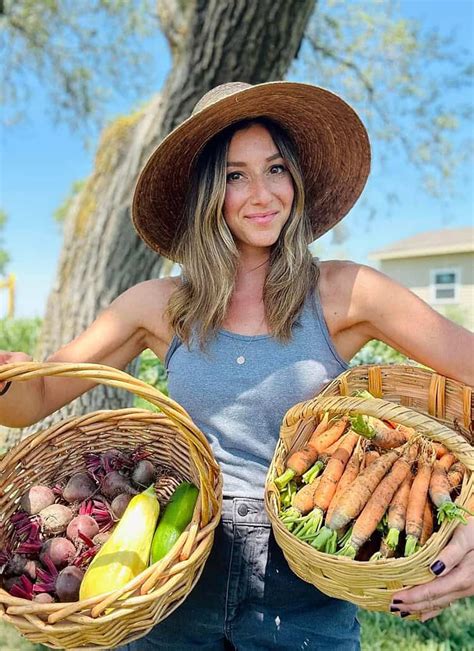
One of the most effective ways to get kids excited about vegetables is to connect them directly to their source: your garden. Involve them from the very beginning – choosing seeds, preparing the soil, planting, and watering. When children invest their time and effort into growing something, they develop a sense of ownership and curiosity. They’re more likely to try a carrot they helped pull from the ground or a tomato they watched ripen on the vine.

Give them their own small plot or a designated pot where they can grow their favorite (or new) vegetables. This personal space empowers them and makes the process feel like an exciting project rather than a chore. Talk about the life cycle of plants, the role of sunlight and water, and the different parts of a vegetable we eat. This educational aspect can transform a simple garden chore into a fascinating science lesson.
Make Food Fun: From Garden to Plate
Children are naturally drawn to play and imagination. Incorporate this into how you present and prepare healthy foods. Give vegetables fun, catchy names like “Superhero Spinach” or “X-ray Carrots.” Use cookie cutters to create interesting shapes from cucumbers, bell peppers, or cheese. Arrange vegetables on plates to form faces, animals, or colorful landscapes. Presentation matters, and a visually appealing plate can significantly increase a child’s willingness to try new foods.
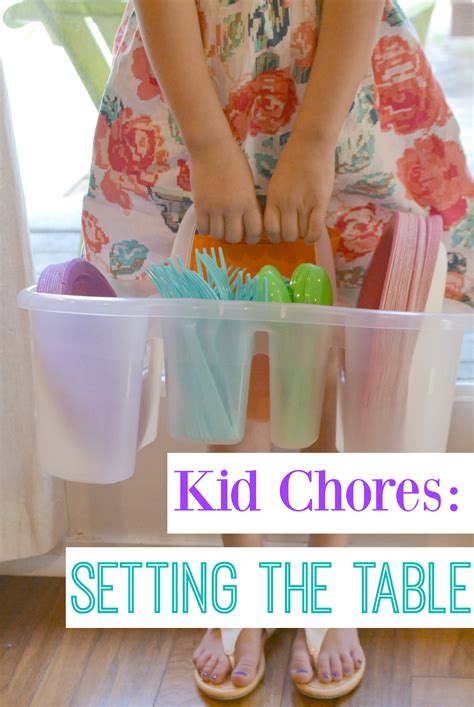
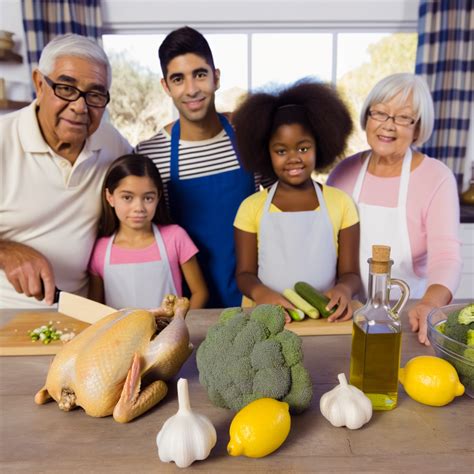
Involve them in the kitchen too. Simple tasks like washing vegetables, tearing lettuce, stirring ingredients, or even setting the table can make them feel like valuable contributors. When kids participate in meal preparation, they’re more likely to eat what they’ve helped create. It demystifies the cooking process and builds a sense of accomplishment.

Lead By Example and Be Patient
Children are master imitators. If they see you and other family members regularly enjoying a variety of garden vegetables and healthy meals, they are far more likely to follow suit. Make healthy eating a natural, integrated part of your family’s lifestyle rather than an enforced rule. Eat together as a family whenever possible, making meal times a positive and social experience free from pressure.

Introducing new foods, especially vegetables, often requires multiple exposures. Don’t be discouraged if a child rejects a new food the first time. It can take 10-15 exposures for a child to accept a new taste or texture. Keep offering small portions without pressure, perhaps alongside foods they already enjoy. Celebrate small victories, like a single bite, and avoid power struggles over food.
Creative Culinary Adventures
Sometimes, getting vegetables into little tummies requires a bit of culinary stealth or creativity. Blend spinach into fruit smoothies, grate zucchini into pasta sauces or muffins, or mash cauliflower into potato dishes. While “hiding” vegetables isn’t the primary long-term strategy, it can be a useful tool to boost nutrient intake while children are still developing their palates. Over time, gradually reveal the hidden ingredients to foster acceptance.
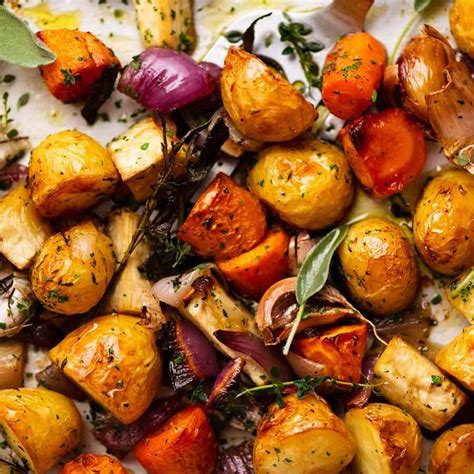
Explore different cooking methods. Roasting vegetables often brings out their natural sweetness, making them more appealing. Steaming retains nutrients and offers a crisp texture. Serve vegetables with a variety of healthy dips like hummus, guacamole, or a homemade yogurt ranch dressing. These can add an element of fun and flavor that encourages dipping and tasting.
Empower and Educate
Talk to your children about why certain foods are good for them. Explain how vegetables give them energy to play, strong bones, and healthy eyes. Use age-appropriate language and stories. For instance, “Spinach helps you run fast like a superhero!” or “Carrots help you see in the dark like an owl!” When children understand the benefits, they are more likely to make informed choices. Take them to farmers’ markets to see the abundance of fresh produce and meet the growers, further cementing the connection between food and its origins.
Remember that fostering a love for garden vegetables and healthy eating is a marathon, not a sprint. Celebrate progress, be consistent, and most importantly, enjoy the process of nourishing your family with real, wholesome food. These positive experiences will lay the foundation for a lifetime of healthy habits.