




How do I keep fresh garden herbs vibrant longer after harvest?
Bringing your harvest indoors is one of the most satisfying aspects of gardening. Fresh herbs elevate any dish, but their delicate nature means they can wilt quickly if not stored properly. Don’t let your culinary treasures lose their vibrancy; with a few simple techniques, you can enjoy your garden’s bounty for much longer.
Immediate Post-Harvest Care
Before diving into specific storage methods, ensure your herbs are properly prepared. Harvest early in the morning after the dew has dried, when their essential oils are most concentrated. Gently shake off any loose dirt or insects. For most methods, a light rinse under cool water is beneficial, but critically, they must be thoroughly dried before storage to prevent mold and spoilage.
Refrigeration Methods for Short-Term Freshness
Refrigeration is your go-to for keeping most herbs fresh for a week or two.
The Water Jar Method (Best for Soft Herbs)
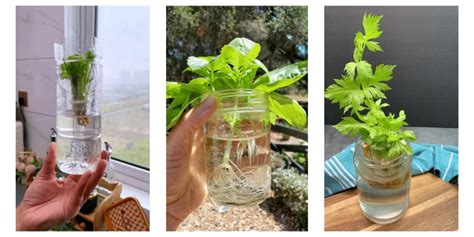
This technique works wonders for delicate, leafy herbs like basil, parsley, cilantro, mint, and tarragon. Trim the bottom of the stems as you would with a bouquet of flowers. Place the trimmed stems upright in a glass jar or vase with about an inch of water. For basil, leave it uncovered on the counter at room temperature, away from direct sunlight. For other soft herbs, loosely cover the leaves with a plastic bag before placing them in the refrigerator. Change the water every day or two.
The Paper Towel Method (Versatile & Effective)
This method is excellent for a wide range of herbs, both soft and woody, if you prefer not to use the water jar. After rinsing and ensuring your herbs are completely dry, lay them in a single layer on a lightly damp paper towel. Roll them up gently, then place the roll inside a resealable plastic bag or an airtight container. Store in the crisper drawer of your refrigerator. This creates a slightly humid environment that prevents drying out without promoting mold. This method is particularly good for rosemary, thyme, dill, and chives.
Freezing for Long-Term Preservation
Freezing is an excellent way to preserve herbs for several months, perfect for adding a burst of summer flavor to winter dishes.
Ice Cube Tray Method (Flavorful Infusions)
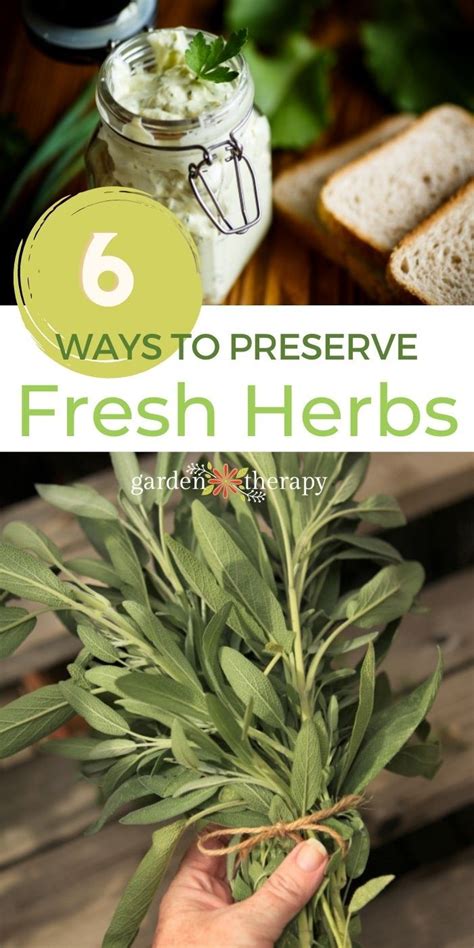
Finely chop your herbs – parsley, cilantro, basil, oregano, and chives work exceptionally well here. Pack them into ice cube trays. You can fill the trays with water, olive oil, or even melted butter, depending on your intended use. Freeze until solid, then pop out the herb cubes and transfer them to a freezer-safe bag or container. Label with the herb type and date. These cubes are perfect for tossing directly into soups, stews, sauces, or sautéed vegetables.

Flash Freezing Method (Whole Leaves)
For some herbs, like dill or chives, you might prefer to freeze them whole or in larger pieces. Lay cleaned and thoroughly dried herbs in a single layer on a baking sheet. Flash freeze for an hour or two until firm. Transfer the frozen herbs to a freezer-safe bag, pressing out as much air as possible. This prevents them from clumping together, allowing you to easily grab a portion as needed.
Drying Herbs for Pantry Storage
Drying is a traditional method, especially suitable for woody herbs like rosemary, thyme, oregano, and marjoram, but can also work for some soft herbs.
Air Drying
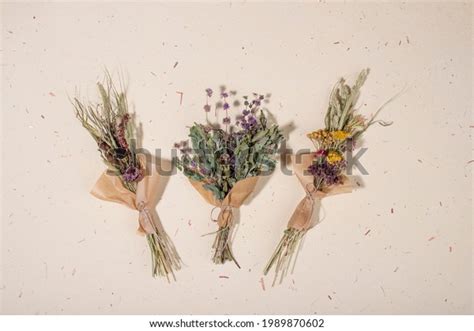
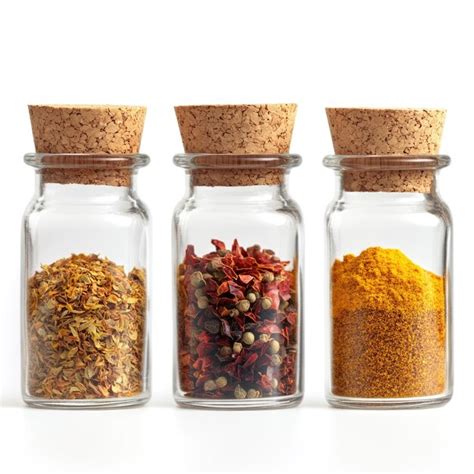
Gather small bunches of herbs, tie them with twine, and hang them upside down in a warm, dry, well-ventilated area away from direct sunlight. This can take anywhere from one to three weeks. Once completely dry (they should crumble easily), strip the leaves from the stems and store them in airtight containers away from heat and light.
Oven Drying or Dehydrator
For quicker results, a food dehydrator is ideal. Follow the manufacturer’s instructions. Alternatively, you can use an oven set to its lowest temperature (100-180°F or 40-80°C). Lay herbs in a single layer on a baking sheet and ‘bake’ for several hours, checking frequently, until crisp. Be very careful not to cook them. Once dried, store as described above.
Key Tips for Maximizing Herb Freshness
- Dryness is King: For any refrigerated method (except the water jar), ensure herbs are completely dry to prevent mold.
- Avoid Bruising: Handle delicate herbs gently during washing and storage.
- Check Regularly: Inspect stored herbs for any signs of wilting, discoloration, or mold, and remove any spoiled pieces immediately.
- Label and Date: Especially for frozen or dried herbs, knowing what’s what and when it was stored is crucial.
Conclusion
With these tried-and-true methods, you can significantly extend the life and flavor of your freshly harvested garden herbs. Whether you need them for a week or several months, choosing the right preservation technique means you’ll always have vibrant, aromatic herbs ready to enhance your culinary creations. Experiment to find what works best for your specific herbs and lifestyle, and enjoy the taste of your garden year-round!