




How do I organically control aphids on my heirloom tomato plants?

Understanding Your Tiny Foe: Aphids
Heirloom tomatoes are a gardener’s delight, offering unique flavors and vibrant colors unmatched by their hybrid counterparts. However, these prized plants are also susceptible to common garden pests, with aphids being one of the most persistent. For organic gardeners, chemical solutions are out of the question, necessitating a thoughtful, natural approach to pest management.
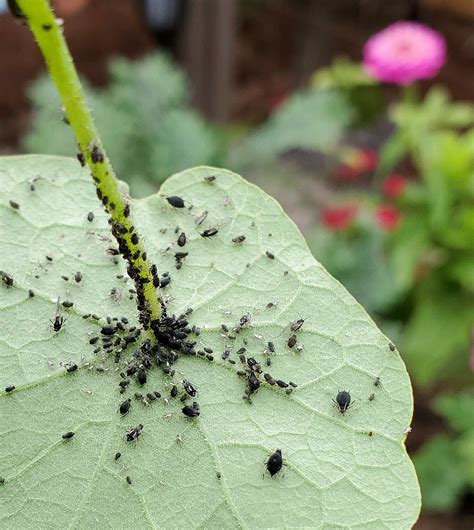
Aphids are small, pear-shaped insects, often green, black, red, or yellow, that cluster on new growth, the undersides of leaves, and stems. They feed by sucking sap from the plant, which can lead to stunted growth, distorted leaves, and yellowing. A tell-tale sign of an aphid infestation is the sticky “honeydew” they excrete, which can attract ants and promote sooty mold growth, further hindering photosynthesis. Their rapid reproduction makes early detection and consistent action crucial.
Prevention: The First Line of Defense
The best way to control aphids is to prevent them from establishing a strong foothold.
- Companion Planting: Strategically plant companions around your tomatoes. Marigolds and nasturtiums can act as trap crops or repellents. Herbs like dill, fennel, and cilantro attract beneficial insects. Garlic and chives are also known for their pest-repelling properties.
- Healthy Soil & Strong Plants: Vigorous plants are more resilient to pest attacks. Ensure your soil is rich in organic matter, providing balanced nutrients. Avoid excessive nitrogen, which can promote tender new growth that aphids love.
- Regular Inspection: Make it a habit to inspect your heirloom tomato plants daily, especially checking new growth and the undersides of leaves. Early detection of a small cluster of aphids allows for swift and easy removal before a full-blown infestation occurs.

Direct Action: Physical Removal Techniques
When aphids appear, physical removal is often the quickest and most direct organic method.
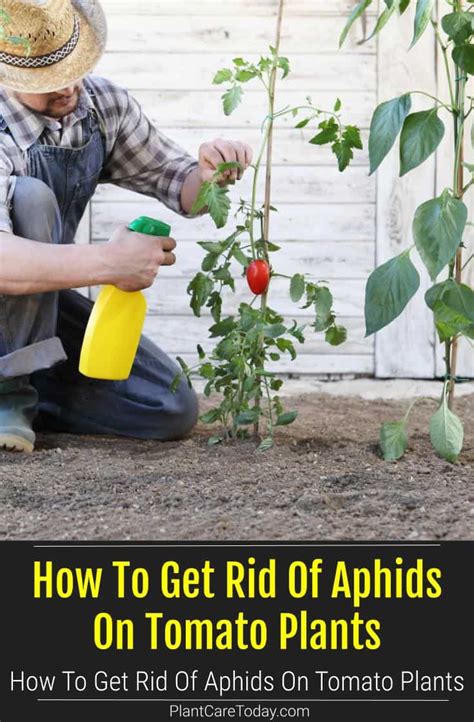
- Strong Water Spray: A gentle but firm blast of water from a hose can dislodge aphids from your plants. Do this in the morning so the foliage has time to dry, reducing the risk of fungal diseases. Repeat every few days as needed.
- Hand-Picking/Wiping: For smaller infestations, or if you prefer a hands-on approach, you can gently wipe aphids off leaves with your gloved fingers or a damp cloth. This is particularly effective for small clusters on new shoots.
- Sticky Traps: Yellow sticky traps can help monitor and reduce flying aphid populations, as well as catch other small pests. Place them strategically around your plants.
Harnessing Nature: Encouraging Beneficial Insects
Nature provides its own pest control in the form of beneficial insects that prey on aphids.
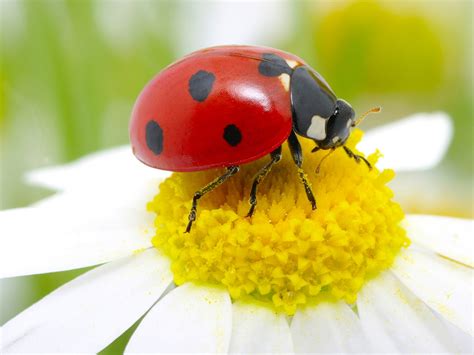
- Ladybugs and Lacewings: These are notorious aphid predators. You can purchase them online or from garden centers, but it’s even better to create a habitat that encourages them to stay naturally.
- Attracting Beneficials: Plant flowering herbs and native plants that provide nectar and pollen for beneficial insects like hoverflies, parasitic wasps, and minute pirate bugs. Dill, fennel, cilantro, sweet alyssum, and yarrow are excellent choices. Avoid broad-spectrum pesticides that harm these helpful insects.
Organic Sprays for Stubborn Infestations
When other methods aren’t enough, organic sprays can provide an extra layer of defense.
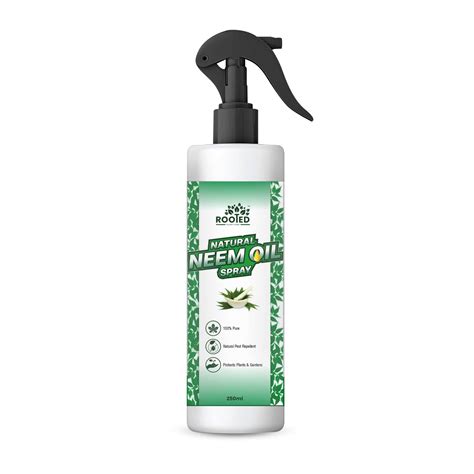
- Neem Oil: Derived from the neem tree, this oil acts as an antifeedant, growth regulator, and repellent for aphids. Mix according to package directions and apply thoroughly, especially to the undersides of leaves. Apply in the evening to avoid harming pollinators.
- Insecticidal Soap: A simple solution of mild liquid soap (not detergent) mixed with water can smother aphids. Use 1-2 tablespoons of soap per gallon of water. Test on a small leaf first to ensure no phytotoxicity. Spray directly onto the aphids, coating them thoroughly.
- Garlic Spray: Garlic has natural insecticidal properties. Blend several cloves of garlic with water, let it steep, strain, and dilute with more water. Add a drop of mild soap to help it stick. Spray directly on aphids.
Ongoing Vigilance for a Bountiful Harvest
Controlling aphids organically is an ongoing process, not a one-time event. Continue to monitor your plants regularly, remove any signs of aphids promptly, and maintain healthy growing conditions. Rotate crops annually to break pest cycles, and ensure your garden tools are clean to prevent disease transmission.
Conclusion
Protecting your heirloom tomato plants from aphids organically requires a multi-faceted approach. By combining preventative measures, physical removal, encouraging beneficial insects, and judicious use of organic sprays, you can ensure your beloved tomatoes thrive and yield a delicious, healthy harvest without resorting to harmful chemicals. Embrace these natural methods for a truly sustainable and rewarding gardening experience.