


How do I prevent garden-fresh greens from getting soggy when cooking them?

The Battle Against Soggy Greens
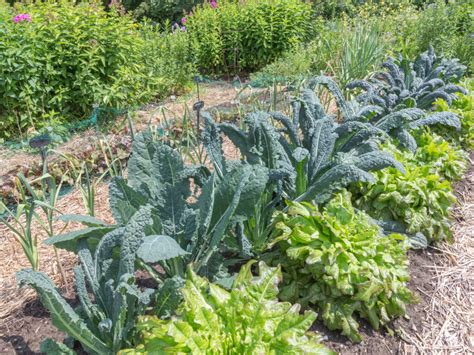
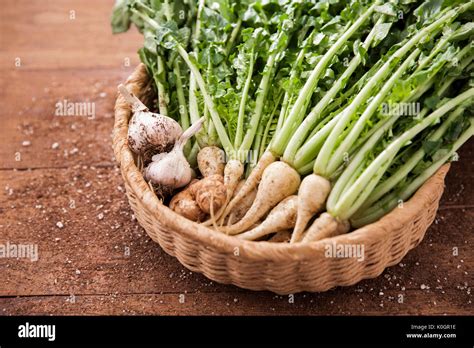
There’s nothing quite like the vibrant taste and texture of fresh greens straight from the garden. However, the joy can quickly turn to disappointment when they transform into a limp, watery mess in the pan. Preventing soggy greens is a common culinary challenge, but with a few simple techniques and a good understanding of what causes them to lose their crispness, you can ensure your cooked greens remain tender-crisp and full of flavor.
Mastering Preparation: The Foundation of Crispness
The journey to non-soggy greens begins long before they hit the heat. Proper preparation is crucial:
Thorough Washing, Meticulous Drying
Greens often carry residual moisture from washing, which is a primary culprit for sogginess. Wash your greens thoroughly to remove dirt and grit, but then dry them meticulously. A salad spinner is an invaluable tool for this; spin them until they are as dry as possible. For more delicate greens, gently pat them dry with a clean kitchen towel or paper towels. Any excess water left on the leaves will steam them into submission, rather than allowing them to sauté or wilt properly.
Chop Smartly
Consider the type of green. Sturdy greens like kale or collards benefit from having their tough stems removed and leaves chopped into bite-sized pieces. More delicate greens like spinach or Swiss chard can often be cooked whole or roughly torn. Uniform pieces will cook more evenly, preventing some parts from overcooking while others are still raw.

Cooking Techniques for Tender-Crisp Results
Once your greens are prepped, the cooking method and execution are key.
High Heat, Quick Cooking
For most greens, especially delicate ones like spinach, a quick sauté or stir-fry over high heat is ideal. The high temperature rapidly evaporates surface moisture and allows the greens to wilt quickly without releasing too much internal water. Don’t overcrowd the pan; cook greens in batches if necessary to maintain high heat and prevent steaming. Use a good quality oil (like olive oil or avocado oil) that can withstand higher temperatures.
Blanching and Shocking
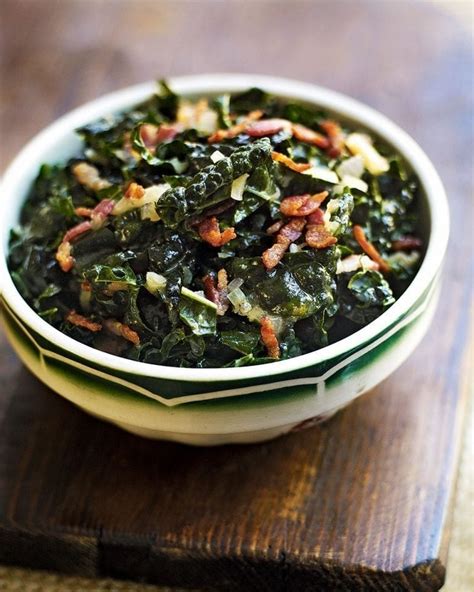
For heartier greens like collards, mustard greens, or kale, blanching can be an excellent first step. Briefly immerse them in boiling salted water for 30 seconds to 2 minutes (depending on the green), then immediately transfer them to an ice bath. This stops the cooking process, preserves their vibrant color, and maintains a pleasant texture. Once shocked, drain them thoroughly and squeeze out any excess water before finishing them in a sauté pan.
Steaming with Care
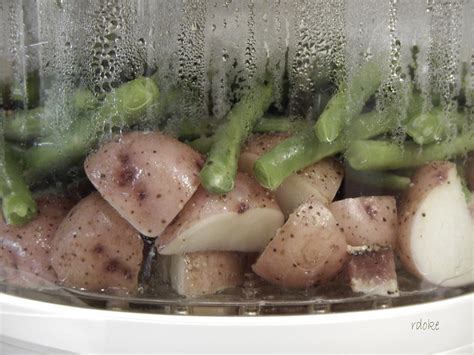
While steaming can be a healthy option, it’s also the easiest way to end up with soggy greens if not done right. Use minimal water and ensure your steamer basket is above the waterline. Steam only until the greens are tender-crisp, usually just a few minutes. Over-steaming is the enemy of texture.
Add Acid at the End
A splash of lemon juice or a dash of vinegar at the end of cooking can brighten the flavor of your greens and help them retain a firmer texture. Acid helps to “set” the chlorophyll, maintaining color, and can add a perception of crispness.
Tips for Success Every Time
- Don’t Overcrowd the Pan: This is critical for sautéing and stir-frying. Overcrowding lowers the pan’s temperature, causing greens to steam rather than sear or wilt quickly.
- Season Strategically: Season with salt towards the end of cooking. Salt draws out moisture, and while a little is fine, adding it too early or too much can contribute to sogginess.
- Cook Just Until Tender: Greens cook quickly. Remove them from the heat as soon as they reach your desired tenderness – they will continue to cook slightly from residual heat.
- Consider Different Fats: While olive oil is great, a knob of butter at the end can add richness without adding moisture. Bacon fat renders excellent flavor for heartier greens.

Enjoy Your Crisp Greens!
By focusing on thorough drying, employing high-heat cooking methods, and being mindful of cooking times, you can banish soggy greens from your plate forever. Embrace these techniques, and your garden-fresh produce will consistently shine with vibrant color and delightful, crisp texture.