How do I start a productive organic vegetable garden for kitchen use?

Transforming a patch of your yard into a thriving source of fresh, organic produce for your kitchen is a rewarding journey. Starting a productive organic vegetable garden not only provides delicious, healthy food but also connects you with nature and promotes sustainable living. This guide will walk you through the essential steps to establish your own edible oasis.
1. Site Selection and Planning
The success of your organic garden begins with careful planning. Sunlight is paramount; most vegetables require at least 6-8 hours of direct sunlight per day. Observe your yard throughout the day to identify the sunniest spots. Consider proximity to your kitchen for convenience and a water source for easy irrigation.
Think about the size of your garden. Start small if you’re a beginner – a 4×4 foot raised bed or a few containers can yield a surprising amount of produce. As you gain experience, you can expand. Sketching a layout helps visualize plant placement, pathways, and potential expansion.

2. Preparing Your Soil Organically
Healthy soil is the foundation of an organic garden. Focus on enriching your soil with organic matter rather than synthetic fertilizers. Begin by testing your soil’s pH and nutrient levels; local extension offices often provide this service. Most vegetables thrive in a slightly acidic to neutral pH (6.0-7.0).
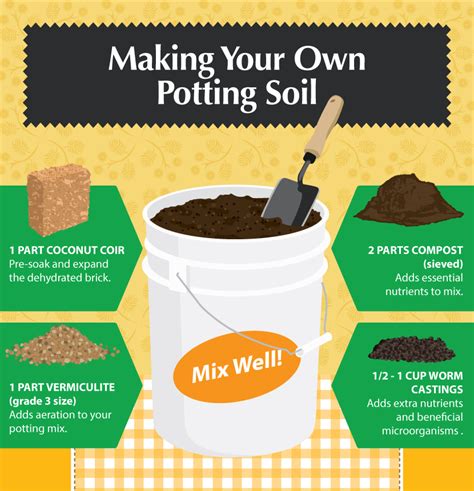
Incorporate generous amounts of compost, well-rotted manure, or other organic amendments. This improves soil structure, drainage, water retention, and provides a slow release of nutrients. If your soil is very poor or compacted, consider building raised beds, which allow you to create an ideal growing medium from scratch.

3. Choosing Your Vegetables Wisely
Select vegetables that you and your family enjoy eating and that are well-suited to your climate and growing conditions. Start with easy-to-grow varieties like lettuce, spinach, radishes, bush beans, cherry tomatoes, and herbs. Research their specific light, water, and space requirements.
Consider succession planting for a continuous harvest: plant small batches of quick-growing crops every few weeks. Companion planting, where certain plants benefit each other, can also be beneficial (e.g., marigolds deterring pests, basil enhancing tomato flavor).
4. Planting and Watering Techniques
You can start vegetables from seeds directly in the garden or purchase seedlings from a reputable nursery. Follow package instructions for planting depth and spacing. Ensure good air circulation around plants to prevent fungal diseases. For seeds, provide consistent moisture to aid germination.
Water deeply and consistently, especially during dry spells. Early morning is the best time to water, allowing foliage to dry before nightfall, which reduces disease risk. Drip irrigation or soaker hoses are efficient methods, delivering water directly to the roots and minimizing waste. Avoid overhead watering where possible.

5. Organic Pest and Disease Management
In an organic garden, prevention is key. Promote a healthy ecosystem to encourage beneficial insects that prey on pests. Inspect your plants regularly for signs of trouble. Hand-picking larger pests like slugs and hornworms is an effective first line of defense.
Introduce natural predators like ladybugs or lacewings. Use physical barriers such as row covers to protect young plants. Neem oil and insecticidal soaps are organic options for controlling outbreaks, but always use them according to instructions. Ensure good air circulation and proper plant spacing to prevent fungal issues.
6. Harvesting and Ongoing Maintenance
Regular harvesting encourages plants to produce more. Know when your vegetables are ripe and ready to pick. For leafy greens, you can often harvest outer leaves continuously. Tomatoes, peppers, and squash are typically harvested as they mature.
Weed regularly to prevent competition for nutrients and water. Mulch around your plants with straw, wood chips, or shredded leaves to suppress weeds, conserve moisture, and regulate soil temperature. Fertilize organically throughout the growing season with compost tea or organic granular fertilizers as needed. Remember to rotate crops each season to prevent nutrient depletion and pest buildup.
Conclusion
Starting a productive organic vegetable garden for your kitchen is a fulfilling endeavor that yields fresh, healthy produce and a deeper connection to your food. By focusing on proper site selection, enriching your soil, choosing suitable plants, and employing organic maintenance practices, you’ll soon be enjoying the fruits (and vegetables!) of your labor. Embrace the learning process, observe your garden, and savor the delicious rewards.