




How do I substitute fresh garden herbs for dried in a homemade sauce recipe?

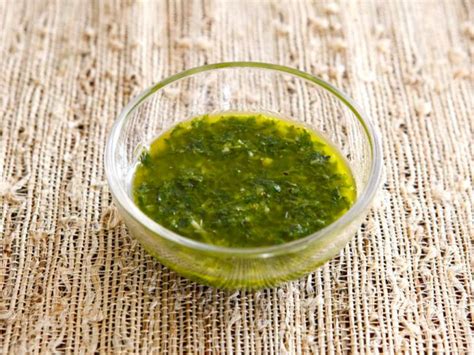
There’s nothing quite like the aromatic punch and vibrant flavor that fresh herbs bring to a homemade sauce. If you’ve got a bounty from your garden or simply prefer the intense taste of fresh over dried, understanding how to make the switch in your favorite recipes is a game-changer. While dried herbs offer convenience and a longer shelf life, fresh herbs elevate a dish with their brighter, often more complex notes. Let’s delve into the art and science of this culinary substitution.
The Golden Rule: Ratios for Substitution
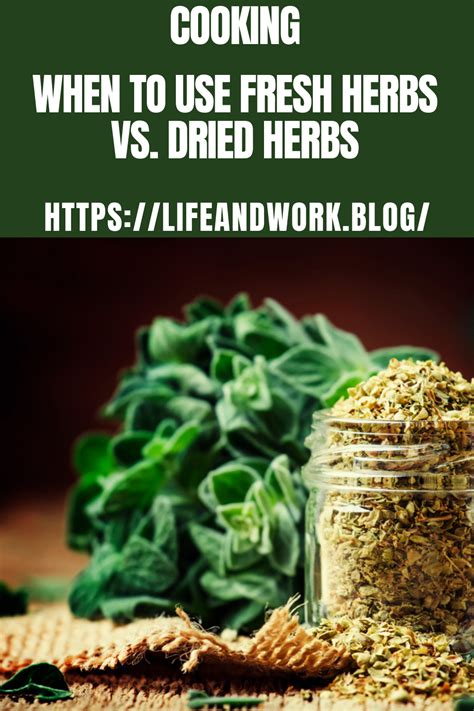
The fundamental principle for substituting fresh herbs for dried is based on their concentration. Dried herbs are typically more potent than fresh ones because their water content has been removed, leaving behind a more concentrated flavor. The generally accepted ratio is:
- 1 teaspoon dried herb = 1 tablespoon fresh herb
This means you’ll use three times the amount of fresh herbs compared to dried. For example, if a recipe calls for 1 teaspoon of dried oregano, you would use 1 tablespoon of fresh chopped oregano. This 1:3 ratio (dried to fresh) is a fantastic starting point for most herbs.
Understanding Herb Intensity and Type
Not all herbs are created equal when it comes to flavor intensity and how they hold up during cooking. This can slightly influence your substitution ratio or when you add them to your sauce:
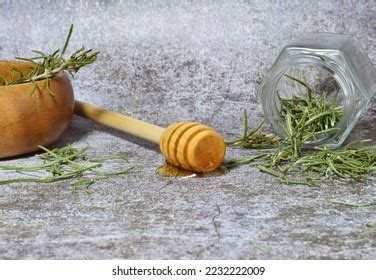
- Woody Herbs (e.g., Rosemary, Thyme, Oregano, Sage): These herbs have robust flavors and typically stand up well to longer cooking times. Their flavor compounds are less volatile, meaning they release their essence gradually. For these, the 1:3 ratio is usually spot-on.
- Tender Herbs (e.g., Basil, Parsley, Cilantro, Mint, Dill): These herbs have more delicate flavors and aromatic oils that can degrade quickly with prolonged heat. While the 1:3 ratio still applies, you might consider adding them later in the cooking process to preserve their freshness and vibrancy. Some home cooks even lean towards a 1:2.5 or 1:2 ratio if they want a very subtle flavor, but 1:3 is a safe bet.
Always remember that personal preference plays a significant role. If you love a strong herb flavor, you might lean towards the higher end of the fresh herb measurement.
Practical Tips for Adding Fresh Herbs to Sauces
Beyond the ratio, how and when you add your fresh herbs can significantly impact the final flavor profile of your sauce:
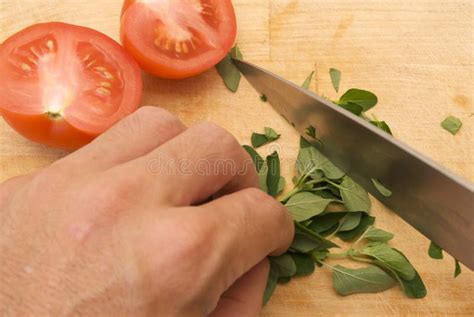
- Chop Them Properly: Finely chop tender herbs to distribute their flavor evenly. For woody herbs like rosemary or thyme, you might strip the leaves from the stems and then chop them, or even add whole sprigs that can be removed before serving for a more subtle infusion.
- When to Add:
- Early for Woody Herbs: Add woody herbs like rosemary, thyme, and oregano earlier in the cooking process (e.g., with aromatics like onions and garlic, or when simmering the sauce). This allows their flavors ample time to meld and deepen without becoming bitter.
- Late for Tender Herbs: Add delicate herbs like basil, parsley, cilantro, and dill towards the end of the cooking process, often in the last 5-10 minutes, or even as a garnish just before serving. This preserves their bright, fresh notes and prevents them from becoming dull or discolored.
- Consider the Sauce Base: Rich, tomato-based sauces can handle more robust herb flavors, while lighter cream sauces might require a more delicate touch.
Taste, Adjust, and Experiment
Cooking is an art, not just a science. While ratios provide a great starting point, your palate is your best guide. Always:
- Start Conservatively: When in doubt, start with slightly less fresh herb than the 1:3 ratio suggests. You can always add more, but you can’t easily take it away.
- Taste as You Go: As your sauce simmers, taste it periodically. If the herb flavor isn’t prominent enough, chop a little more fresh herb and stir it in. Allow a few minutes for the flavor to infuse before tasting again.
- Note Your Preferences: Keep a cooking journal or simply make mental notes about how much of each fresh herb you liked in particular sauces. This will build your intuition for future cooking adventures.
Common Herb Substitutions at a Glance
Here’s a quick reference for some popular herbs:
- Basil: 1 tsp dried = 1 tbsp fresh chopped. Add late.
- Oregano: 1 tsp dried = 1 tbsp fresh chopped. Add early to mid-cooking.
- Thyme: 1 tsp dried = 1 tbsp fresh chopped or 2-3 sprigs. Add early.
- Rosemary: 1 tsp dried = 1 tbsp fresh chopped or 1 sprig (approx. 4-6 inches). Add early.
- Parsley: 1 tsp dried = 1 tbsp fresh chopped. Add late.
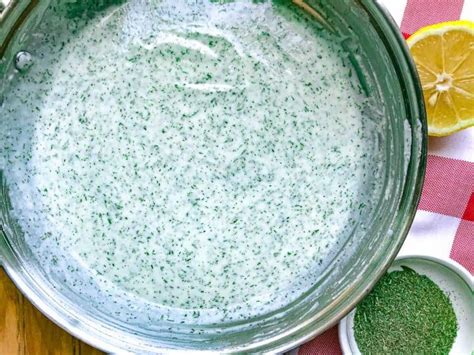
- Dill: 1 tsp dried = 1 tbsp fresh chopped. Add late.
- Sage: 1 tsp dried = 1 tbsp fresh chopped. Add early to mid-cooking.
Embracing fresh herbs in your homemade sauces is a rewarding experience that brings vibrant flavors and aromas to your kitchen. With a simple ratio and an understanding of how different herbs behave, you can confidently transform any recipe and impress your taste buds. Don’t be afraid to experiment and let your garden’s bounty inspire your next culinary masterpiece!