




How do we assign age-appropriate homestead chores for kids?
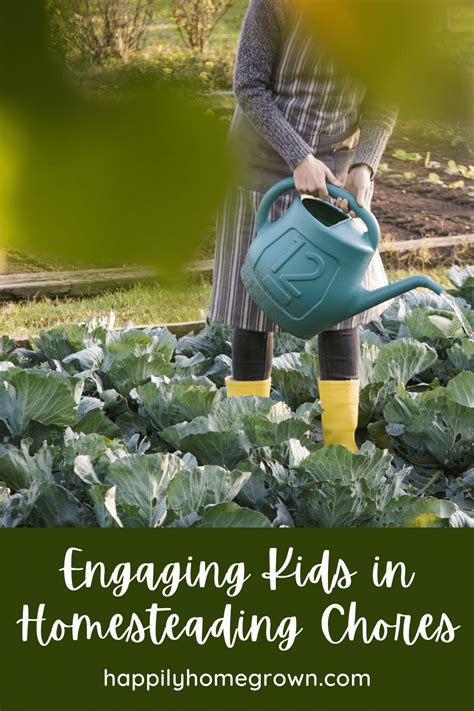
Homesteading isn’t just about growing food or raising animals; it’s a lifestyle rooted in self-sufficiency, hard work, and community. For families embracing this path, integrating children into daily tasks is not merely about getting help, but about instilling invaluable life skills, a strong work ethic, and a deep connection to their environment. Assigning age-appropriate chores transforms daily responsibilities into opportunities for growth, teaching kids everything from practical skills to teamwork and problem-solving.
The Philosophy Behind Chores on the Homestead
Unlike urban settings where chores might be seen as optional extras, on a homestead, they are often integral to the household’s functioning. Every member contributes to the collective well-being. This shared responsibility fosters a sense of belonging and teaches children that their efforts directly impact the family and the land. It’s about more than just checking off a list; it’s about understanding cycles, nurturing life, and contributing to a sustainable way of living.
General Principles for Assigning Chores
- Start Early: Even toddlers can participate in simple ways, building habits from a young age.
- Consider Development: Physical abilities, cognitive understanding, and attention spans vary greatly by age.
- Teach, Don’t Just Tell: Demonstrate how to do a chore properly and provide guidance.
- Rotate Tasks: Introduce variety to prevent boredom and develop diverse skills.
- Be Flexible: Some days will be harder than others. Adjust expectations as needed.
- Focus on Contribution, Not Perfection: Praise effort and participation over flawless execution.
Age-Specific Chore Suggestions
Toddlers & Preschoolers (Ages 2-5)
At this age, chores are about participation and very simple steps. Focus on tasks that are safe, quick, and can be done alongside a parent.
- Indoor: Put toys in a basket, help set placemats, wipe up small spills, put dirty clothes in the hamper.
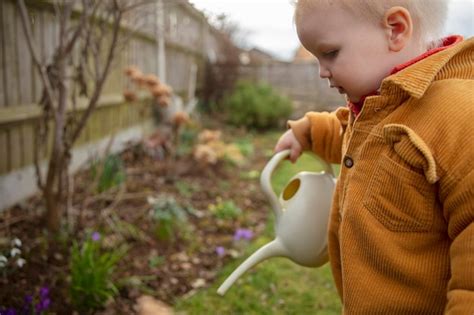
- Outdoor/Homestead: Help water plants with a small can, gather eggs (with supervision), put small garden tools away, feed chickens (scoop food into a feeder).
Early Elementary (Ages 6-9)
Children in this age group can handle more complex tasks, understand basic sequences, and work more independently. They can also take on responsibilities that require a bit more strength or dexterity.
- Indoor: Make their bed, clear the table, sweep small areas, sort laundry, pack their lunch.
- Outdoor/Homestead: Help weed a garden bed, collect eggs and clean them, refill animal water troughs, feed smaller animals, help plant seeds, rake leaves.
Pre-Teens (Ages 10-12)
Pre-teens are capable of taking on significant responsibilities and understanding the “why” behind their tasks. They can operate some tools safely and manage multi-step processes.
- Indoor: Vacuum, clean bathrooms, prepare simple meals, wash dishes, organize pantries.
- Outdoor/Homestead: Harvest vegetables, tend to compost, milk smaller animals (like goats), help with minor repairs, clean animal enclosures, gather firewood.
Teenagers (Ages 13+)
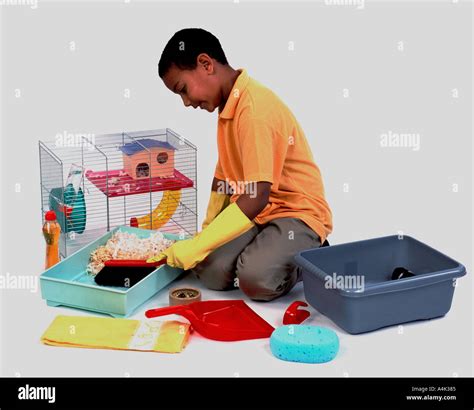
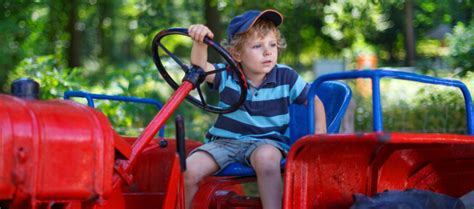
Teenagers can handle nearly any task a parent can, often with less supervision. They can manage entire projects, operate machinery (under supervision), and take ownership of specific areas of the homestead.
- Indoor: Meal planning and cooking, deep cleaning, household budgeting assistance, managing grocery lists.
- Outdoor/Homestead: Fencing repairs, animal breeding assistance, managing a garden plot, operating power tools (with training), managing animal health records, assisting with construction projects.
Making Chores Engaging and Rewarding
While the intrinsic reward of contributing to the homestead is powerful, a little encouragement goes a long way. Consider these tips:
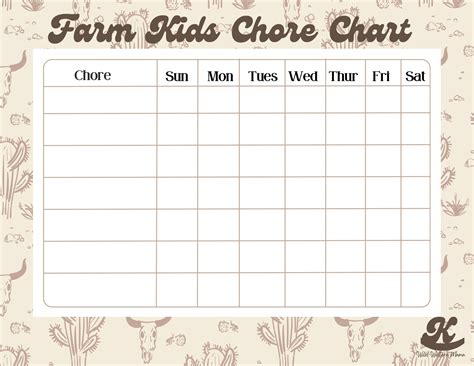
- Chore Charts: Visual aids can help younger children track their progress.
- Teamwork: Many homestead tasks are better done together, fostering bonding and efficiency.
- Allowance/Reward System: While not always necessary, some families find a small allowance or special privilege for completed tasks motivating.
- Celebrate Successes: Acknowledge and praise their efforts and contributions, no matter how small.
- Explain the ‘Why’: Help them understand how their work directly benefits the family, the animals, or the garden.
Conclusion
Assigning age-appropriate chores on a homestead is more than just delegating tasks; it’s an investment in your children’s development and the sustainability of your family’s lifestyle. By thoughtfully integrating them into the rhythms of homestead life, you’re not only cultivating responsible, capable individuals but also strengthening family bonds and nurturing a profound connection to the land and the life it supports.